

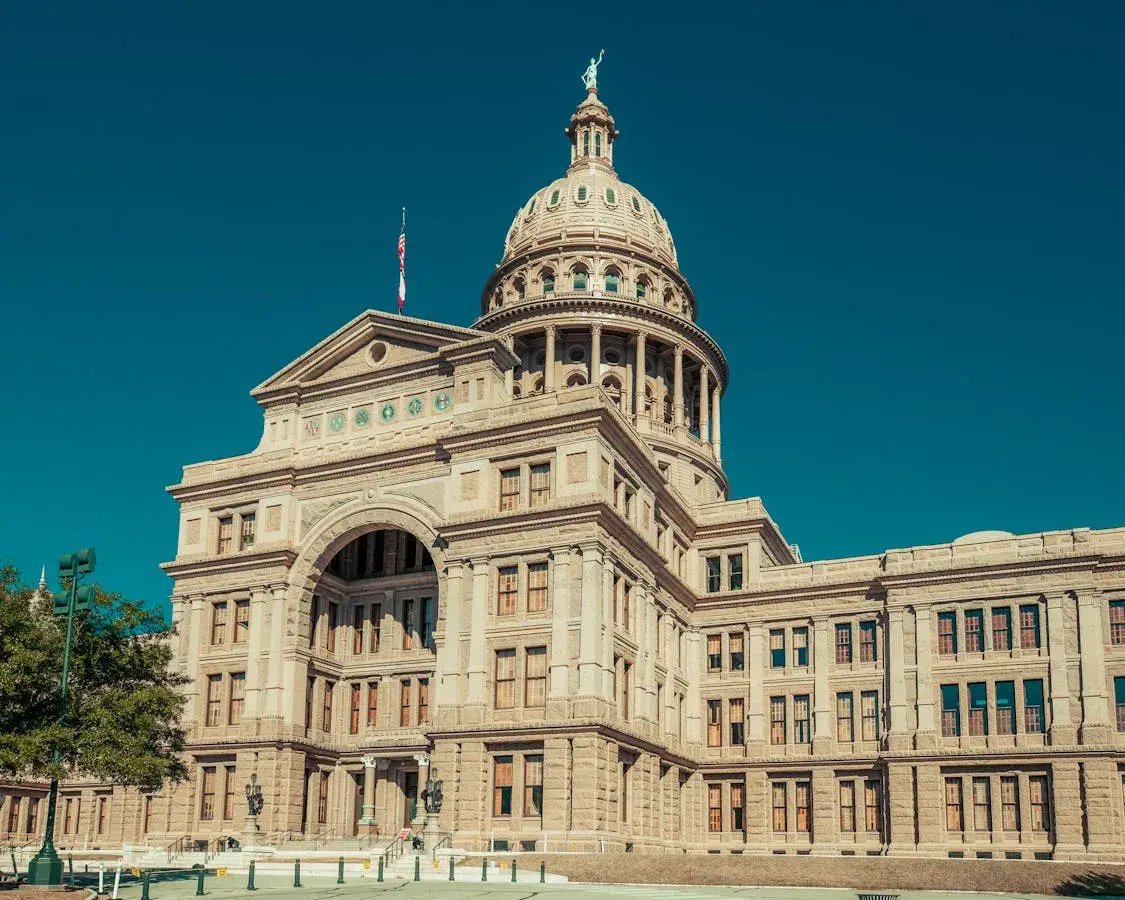
Texas ordered a freeze on new H-1B visa hiring at state agencies and public universities, a move Governor Greg Abbott says is meant to prioritize Texans for taxpayer-funded jobs while the state reviews how widely the visa is used.
What Happened?
In a letter issued on January 27, 2026, Abbott directed all state agencies and public higher education institutions to halt filing new H-1B petitions unless they receive written approval from the Texas Workforce Commission. The freeze runs through May 31, 2027, the end of the next Texas legislative session, and does not change federal immigration law. Private-sector hiring is unaffected.
Why It Matters
The order targets a visa category that universities and academic medical centers commonly use to recruit professors, researchers, physicians, and other highly skilled staff. Texas institutions employ hundreds of H-1B holders; the University of Texas Southwestern Medical Center in Dallas had 228 as of late 2025, with other major sponsors including Texas A&M University, UT MD Anderson Cancer Center, and the University of Texas at Austin. State leaders argue the pause will ensure Texans get first crack at publicly funded roles, while critics warn it could complicate staffing for labs, classrooms, and hospitals that depend on global talent.
Reporting And Oversight
Agencies and universities must compile detailed snapshots of their H-1B use, including headcounts, job categories, countries of origin, and visa expiration dates, and document efforts to recruit qualified Texans. Those reports are due by late March 2026 and will inform both state lawmakers and regulators as they weigh longer-term rules for employing foreign visa holders at public institutions.
The Bigger Picture
Texas’s move arrives amid broader federal changes to high‑skilled immigration. In September 2025, the White House imposed a new $100,000 fee on most new H‑1B petitions and signaled additional reforms to favor higher‑paid roles. Supporters say the measures combat abuse and protect U.S. workers; universities and many employers counter that sudden limits and higher costs make it harder to compete for top researchers and engineers.
What’s Next?
For now, state entities seeking exceptions must apply to the Texas Workforce Commission. Lawmakers are expected to debate whether to codify new guardrails before the freeze expires on May 31, 2027, setting the stage for a larger fight over how Texas balances workforce development with recruiting global expertise.
Sources
- Texas governor halts H-1B hiring — Bloomberg (January 27, 2026)
- Texas Gov. Greg Abbott halts new H-1B visa petitions — Associated Press (January 27, 2026)
- Governor Abbott launches investigation into H-1B Visa abuse — Office of the Texas Governor (January 27, 2026)


Share
DHS Moves to Weight H-1B Lottery Toward Higher-Paid Jobs
House bill would end H‑1B program, raising high‑stakes questions
No Comments Yet
Let us know what you think