

DHS proposed a wage‑weighted H-1B selection to replace the lottery, aiming to steer scarce work visas toward higher‑paid, higher‑skilled roles and, in its view, better protect U.S. workers’ wages and job opportunities.
What Happened?
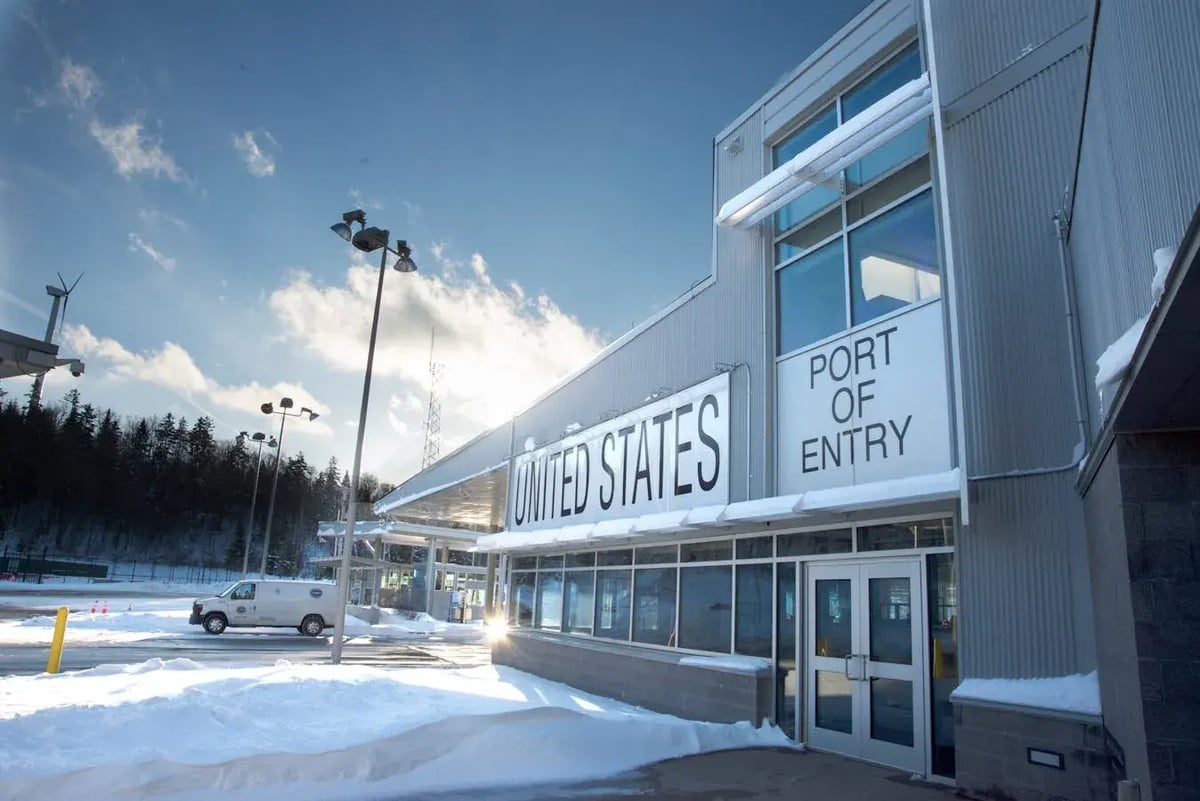
The Department of Homeland Security published a proposed rule on September 24, 2025, to overhaul how H‑1B registrations are chosen when demand exceeds the annual cap. Instead of a purely random draw, U.S. Citizenship and Immigration Services would run a weighted selection that favors offers at higher wage levels. Public comments closed on October 24, 2025, and DHS is now reviewing feedback before deciding on a final rule. Public comments closed October 24, 2025.
How It Would Work
Under the proposal, each unique beneficiary would still be entered only once, but the entry would carry more weight if the proffered salary meets higher Department of Labor Occupational Employment and Wage Statistics levels: Level IV entries count four times, Level III three times, Level II twice, and Level I once. The approach would apply to both the regular cap and the advanced‑degree exemption. Selections would be weighted by DOL wage levels. The H‑1B program is capped at 85,000 visas annually—65,000 under the regular cap plus 20,000 for U.S. advanced‑degree holders. The annual cap remains 85,000 visas.
The Bigger Picture
The weighted system builds on earlier integrity moves. In January 2024, USCIS finalized a beneficiary‑centric registration process designed to curb multiple filings for the same person. In December 2024, DHS issued a separate modernization rule clarifying specialty‑occupation criteria and adding guardrails such as site‑visit authority. Together, those changes sought to make the program more efficient while policing abuse; the new wage‑weighted selection would more directly target how scarce slots are allocated. Reuters reports DHS estimates the shift could raise overall wages paid to H‑1B workers, while some small businesses could face higher hurdles if they rely on entry‑level hiring.
What’s Next?
DHS has not set an implementation date. If finalized, the policy would replace the purely random lottery in a future cap season; timing depends on the rulemaking schedule and any legal challenges. Employers should watch for guidance on registration requirements, including providing wage‑level data at the time of entry, and consider how compensation offers align with OEWS tiers if they plan to sponsor H‑1B candidates.
Sources
- DHS updates H-1B visa process to protect US workers — USCIS (December 23, 2025)
- Proposed rule for weighted H-1B selection process — Federal Register (September 24, 2025)
- New H-1B system may favor higher-skilled, higher-paid workers — Reuters (September 23, 2025)
- USCIS strengthens integrity measures for H-1B program — USCIS (January 30, 2024)


Share
New H-1B Rule Puts Level 1 Wages Under the Microscope
Texas Freezes H-1B Hiring at Public Colleges, Agencies
No Comments Yet
Let us know what you think