

A House Republican has introduced legislation to eliminate the H‑1B work‑visa program, a move that would ripple across tech, healthcare and higher education — and especially affect Indian professionals, who account for the vast majority of H‑1B holders.
What Happened?
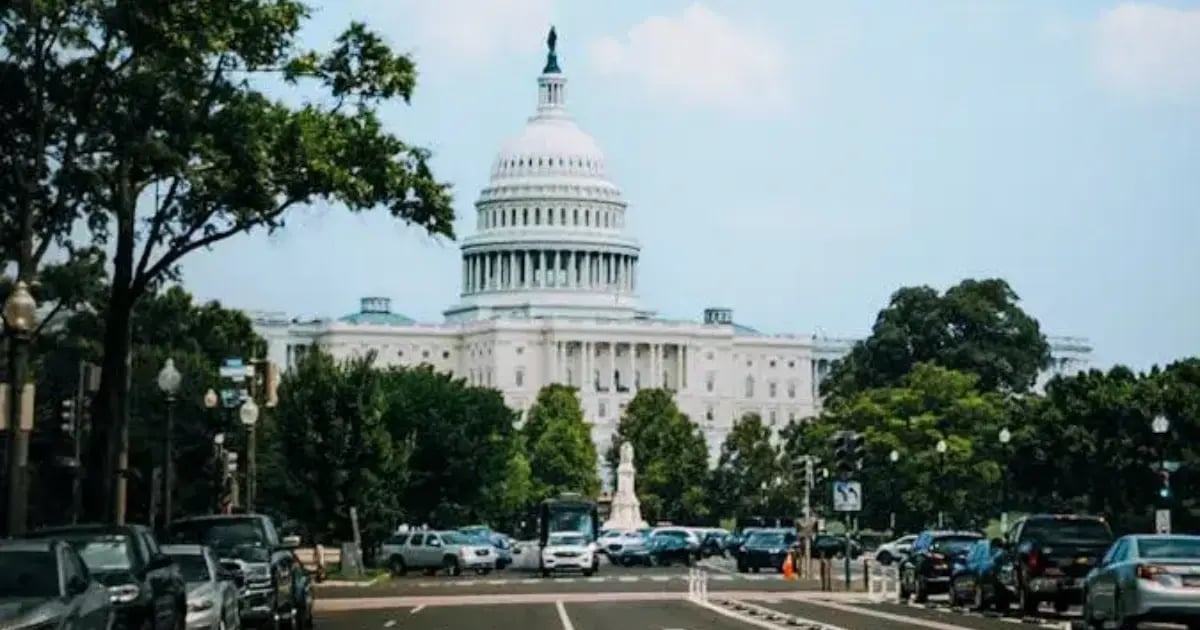
On January 2, 2026, Representative Marjorie Taylor Greene introduced H.R. 6937, formally titled the “End H‑1B Now Act,” which would strike the program from the Immigration and Nationality Act. The bill was referred to the House Judiciary Committee, with additional referrals to Energy and Commerce and Ways and Means. As of this week, the Government Publishing Office has not yet posted the full text, and no hearings are scheduled. The End H‑1B Now Act entered Congress on January 2, 2026.
Why It Matters
The H‑1B is the primary pathway U.S. employers use to hire college‑educated specialists when they cannot find those skills domestically. Indian nationals hold about 71% of H‑1B visas, making any overhaul uniquely consequential for Indian workers and the many U.S. companies that employ them in roles ranging from software engineering to advanced research.
Recent Policy Backdrop
The bill lands amid a tougher climate for legal immigration. On September 19, 2025, the White House announced an annual $100,000 fee for successful H‑1B applicants — a sharp cost increase that the administration framed as a way to limit use of the visa to top‑tier talent. Industry groups warned the measure could push work offshore and complicate recruiting for universities and hospitals. The $100,000 annual fee marked a major shift.
What Could Change?
If enacted as titled, the measure would go further than past integrity crackdowns by scrapping the program outright. That would fundamentally reshape talent pipelines for U.S. tech, finance, and research employers that have long relied on the H‑1B as a bridge to permanent residency for many skilled workers. With the official text not yet posted, details such as timing, carve‑outs, or transition rules are still unknown.
What’s Next?
H.R. 6937 remains at the opening stage of the legislative process: committee review, potential markups, and a House floor vote would come before any Senate consideration, and ultimately, the President’s desk. Employers and affected workers will be watching for the bill text to be published and for any sign of hearings or cosponsors in the weeks ahead.
Sources
- H.R.6937 — End H‑1B Now Act — Congress.gov (January 2, 2026)
- Trump unveils $100K yearly fee on H‑1B visas on legal immigration — Washington Post (September 19, 2025)
- Where H‑1B visa holders are from, who hires them, and what they earn — Washington Post (September 24, 2025)


Share

H-1B Fight Fuels Surge in Anti‑Indian Rhetoric Online

DHS Moves to Weight H-1B Lottery Toward Higher-Paid Jobs
No Comments Yet
Let us know what you think