

President Donald Trump is facing rising pressure to recalibrate his immigration crackdown, as business leaders, judges, and state officials warn of mounting economic, legal, and political costs to an enforcement-first approach.
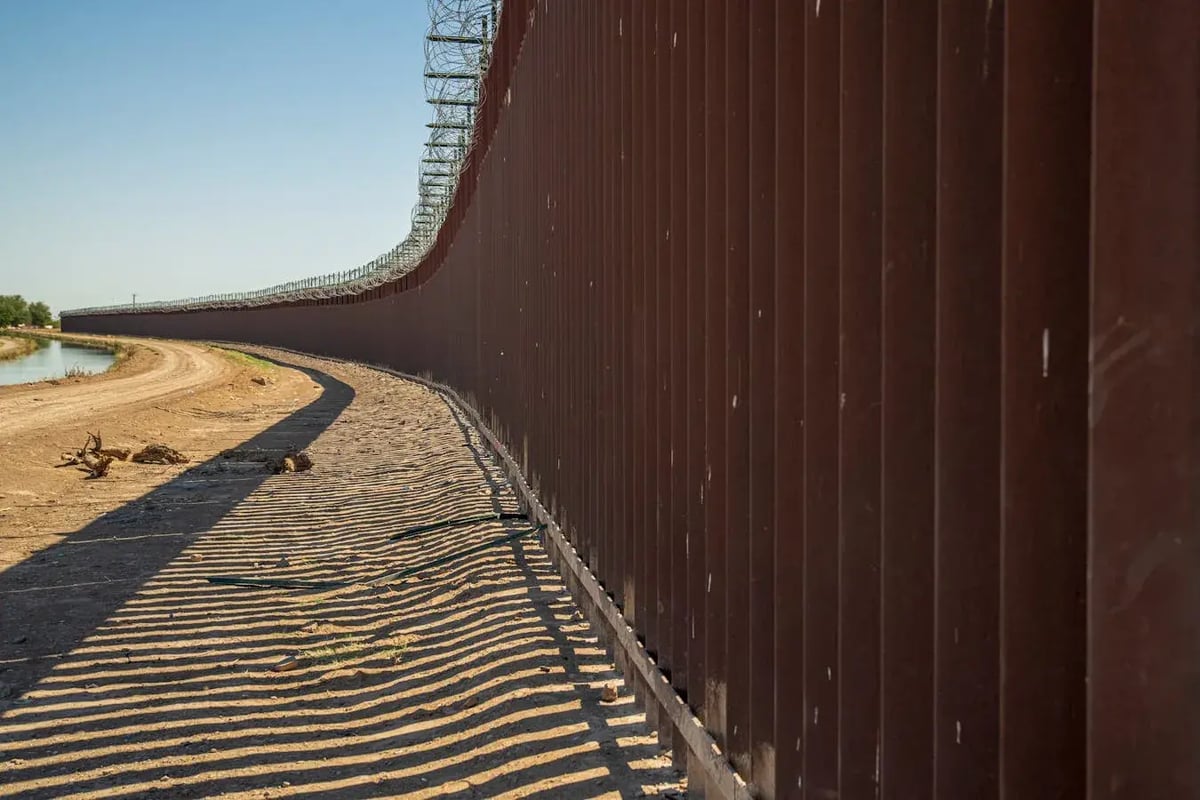
What Happened?
In recent weeks, the White House has signaled it will press ahead with tougher enforcement, including the possibility of broader worksite actions, even as criticism grows. Senior adviser Tom Homan has said arrests could surge as Immigration and Customs Enforcement adds officers and detention capacity. Reuters reporting tallies removals in the hundreds of thousands since Trump took office in January 2025 — about 622,000 deportations so far — while separate measures have curtailed or paused pathways such as asylum and certain visas in the wake of high-profile security incidents.
Why It Matters
Executives and investors are increasingly vocal about labor and growth risks tied to mass removals and tighter legal channels, particularly if enforcement sweeps expand at employers. The Financial Times has chronicled a shift in corporate rhetoric following civil unrest and operational strains in key metros, with some leaders urging de‑escalation and a clearer, durable policy framework. The message: aggressive removals may collide with worker shortages in sectors from food processing to construction, squeeze local economies, and inject uncertainty into hiring and planning.
Legal And Political Pushback
The administration’s posture has also run into the courts. Judges have recently halted attempts to terminate Temporary Protected Status for certain groups — a notable example involves Haitians — underscoring legal limits on unilateral rollbacks of long‑standing humanitarian programs. Courts have temporarily blocked parts of the TPS unwind, pending fuller review. At the same time, state and local leaders are challenging federal tactics. In Minnesota, where a large federal surge has disrupted daily life and sparked protests, a judge on January 31, 2026, declined to immediately stop the operation but left the broader lawsuit alive. The split-screen effect — partial wins for both sides — keeps pressure on the White House to adjust strategy.
What’s Next?
The core dilemma remains: how to sustain tougher border and interior enforcement without triggering acute labor shortages, fresh legal defeats, or urban unrest. Homan’s vow that detentions will grow in 2026, including expanded worksite enforcement, suggests the administration will bet on deterrence. But rising corporate alarm, ongoing litigation, and restive city halls are likely to keep the debate — and the pressure to change course — front and center this year.
Sources
- Trump faces pressure to change immigration course — Bloomberg (January 26, 2026)
- Trump expands immigration crackdown despite backlash — Reuters (December 21, 2025)
- Judge denies Minnesota’s request for immediate end to immigration crackdown — Washington Post (January 31, 2026)
- Shooting of National Guard members prompts flurry of US immigration restrictions — Associated Press (December 1, 2025)
- Judge blocks Trump administration from ending Haitians' protections — Associated Press (February 2, 2026)
- Wanted: CEOs with Backbone — Financial Times (February 2, 2026)


Share

PERM Backlog Persists Into 2026, Forcing Earlier Hiring Plans
Trump administration widens drive to revoke naturalized citizenship

No Comments Yet
Let us know what you think