

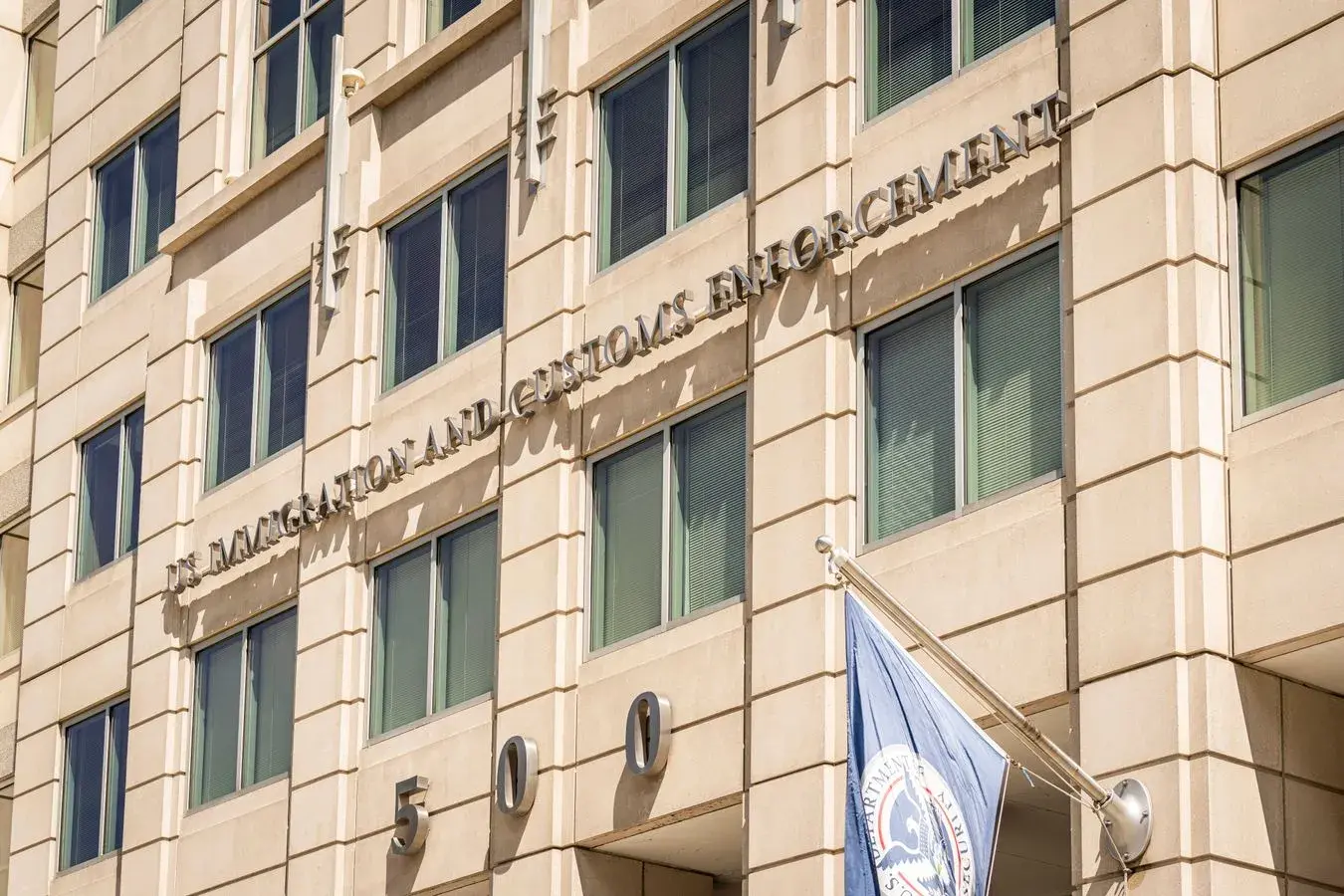
The U.S. Department of Homeland Security has finalized a rule ending “duration of status” for international students, replacing it with fixed admission periods that reshape how F‑1 and J‑1 students plan study, work, and travel in the United States.
What Changed
Published on July 17, 2026, the final regulation moves F‑1 (students), J‑1 (exchange visitors) and I (foreign media) visas from open‑ended admission tied to a program’s length to fixed “admit‑until” dates. Effective September 15, 2026, most F‑1 arrivals will be admitted for the length of their program, capped at four years, with the option to request more time through a formal extension‑of‑stay filing with USCIS rather than solely through a school official.
The rule also tightens academic mobility. In general, F‑1 students must complete their first academic year before transferring schools or changing objectives; and graduate‑level students face strict limits on changing educational objectives or transferring during a program, absent narrow exceptions approved by DHS. Four-year cap on initial admission applies across F‑1 and J‑1, with separate, shorter limits for some I‑visa holders.
Key Practical Shifts
Students who need more time must file Form I‑539 (Extension/Change of Status) — and, when required, provide biometrics — before their admit‑until date expires, or depart and seek readmission for a new period. The familiar departure buffer also shrinks: Grace period cut to 30 days after program or OPT completion (down from 60 days for F‑1), tightening post‑study timelines for travel and next‑step planning.
Why It Matters
DHS says fixed dates will improve oversight and reduce fraud by creating predictable checkpoints for verifying status. Higher‑education groups counter that shifting extensions from campus advisers to federal adjudicators will strain an already backlogged system, complicate degree completion and research timelines, and risk dampening U.S. competitiveness for talent.
What’s Next
The rule is designated a major regulation and is subject to congressional review; litigation is also possible. DHS notes it will publish a notice if the effective date changes. For now, current and incoming students should confirm their program end date, monitor their I‑94 admit‑until date, plan for any needed I‑539 filings, and coordinate closely with their school’s international office on transfers, level changes, OPT, and travel.
Sources
- Establishing a Fixed Time Period of Admission and an Extension of Stay Procedure for Nonimmigrant Academic Students, Exchange Visitors, and Representatives of Foreign Information Media — Federal Register (Public Inspection) (July 17, 2026)
- Trump administration caps how long international students can stay in the US — Associated Press (July 16, 2026)
- Foreign Students’ US Admission Restricted in Final DHS Rule (1) — Bloomberg Law (July 16, 2026)
- What the New F-1 Rule Means for You: A Guide for Current and Future International Students — Reddy Neumann Brown PC (July 21, 2026)

Share

ICE Tightens OPT Oversight: What Employers Must Do Now
University Groups Sue to Block Fixed-Term Student Rule
No Comments Yet
Let us know what you think