

The U.S. is moving ahead with a series of immigration changes that will reshape hiring and higher education in 2026. The U.S. is tightening H-1B hiring and student visas nationwide, a shift that affects how companies recruit specialized talent and how universities plan for international enrollment.
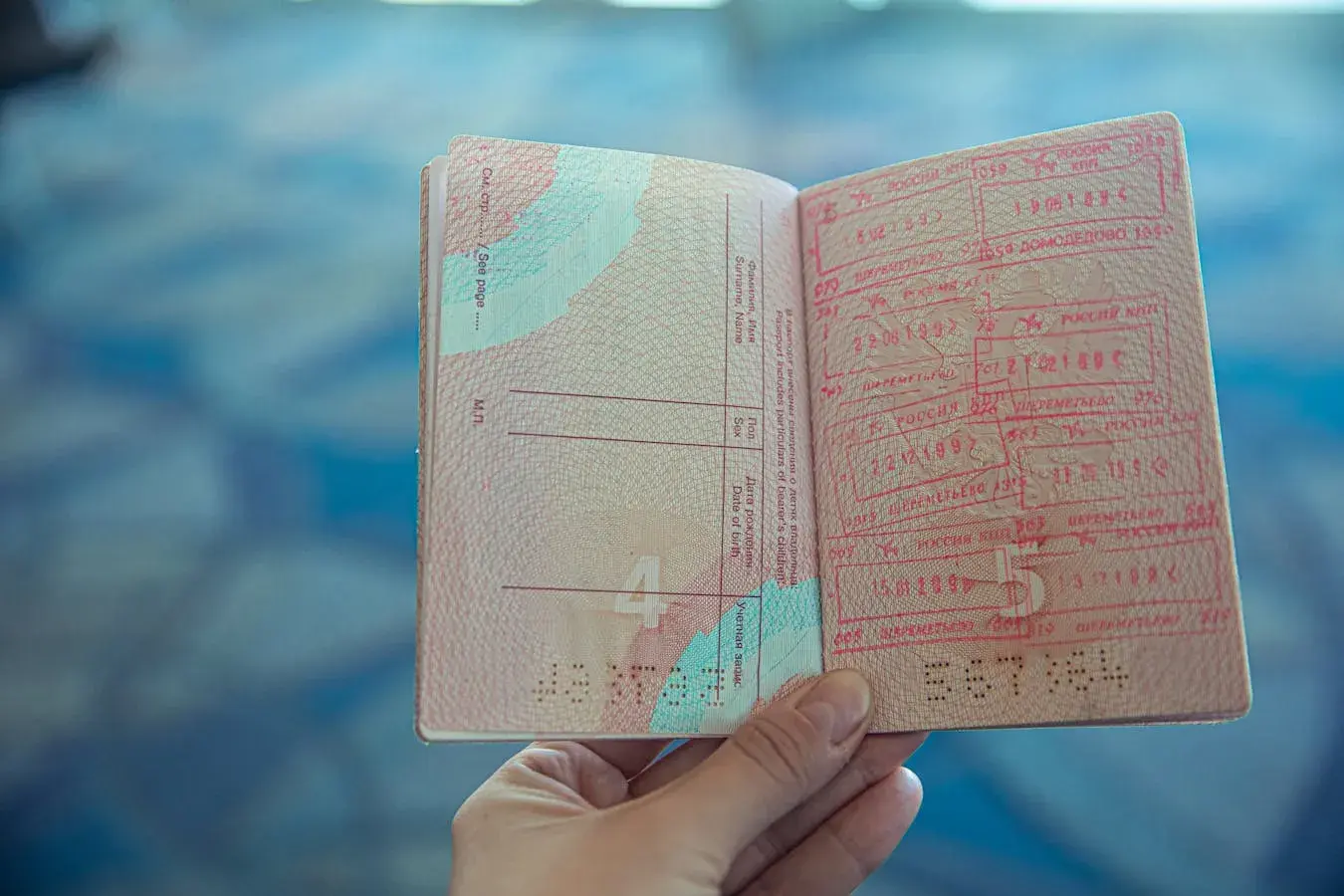
What Changed For H-1B
On December 29, 2025, the Department of Homeland Security finalized a rule that replaces the pure random H-1B lottery with a wage-weighted selection system. The rule took effect on February 27, 2026, and governs this spring’s cap season for Fiscal Year 2027. In practice, registrations tied to higher Occupational Employment and Wage Statistics (OEWS) levels receive better odds in the randomized draw, while lower-wage levels receive fewer chances. A wage-weighted H-1B selection rule is now in force.
Separately, the White House in September 2025 imposed a new $100,000 fee on new H-1B applications, prompting immediate questions from employers and workers. Officials later clarified the fee would not apply to existing H-1B holders reentering the country, and business groups quickly sued to block the charge. A new $100,000 H-1B fee faces legal challenges.
Limits On Student Visas
Beginning January 1, 2026, the State Department partially suspended visa issuance for nationals of 19 countries in several categories, including student and exchange visitor visas (F, M, and J), under Presidential Proclamation 10998. Limited case-by-case exceptions remain, but the policy adds uncertainty for applicants and U.S. institutions recruiting from affected regions. Student visas are partially suspended in 19 countries.
Why It Matters
For employers, the H-1B shift links selection odds more directly to pay, nudging firms to reconsider salary bands, job locations and timing for critical hires. Universities and research labs—many of which rely on the H-1B pipeline for postgraduates and specialized staff—face a more competitive environment for sponsorship, even as some prospective students encounter new visa hurdles.
The combined changes mark a notable turn in U.S. policy: raising the financial bar for participation in the high‑skilled visa program while prioritizing higher-wage roles in the annual lottery, and narrowing visa access for certain nationalities. The legal outcome of the $100,000 fee—and any additional agency guidance—will help determine how durable these restrictions prove through the next admissions and hiring cycles.
Sources
- Weighted Selection Process for Registrants and Petitioners Seeking To File Cap-Subject H-1B Petitions — Department of Homeland Security (December 29, 2025)
- Suspension of Visa Issuance to Foreign Nationals to Protect the Security of the United States — U.S. Department of State (January 1, 2026)
- Trump to Add New $100,000 Fee for H-1B Visas in Latest Crackdown — Bloomberg (September 19, 2025)
- White House says $100K H-1B visa fee won't apply to existing holders as Trump move stirs anxiety — Associated Press (September 20, 2025)

Share
Judge Strikes Down Trump’s $100,000 H-1B Visa Fee
USCIS hits FY 2027 H‑1B cap; no second lottery
No Comments Yet
Let us know what you think