
Fake degree allegations have renewed scrutiny of the H-1B visa program, pushing long-running concerns about credential fraud and program abuse back into public view as regulators, prosecutors, and lawmakers spotlight fresh enforcement and reform efforts.
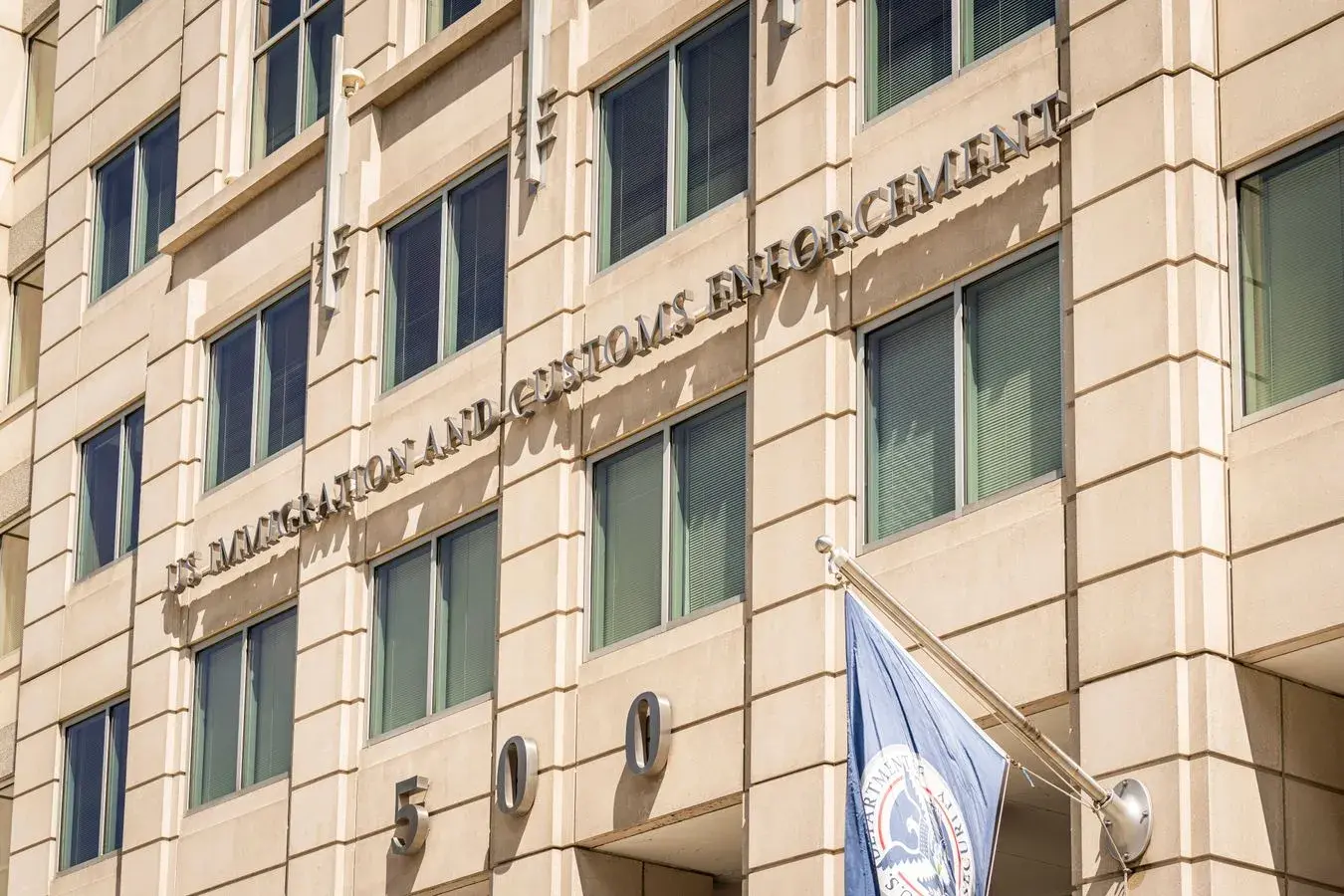
What Happened
Recent media coverage and online debate have zeroed in on diploma mills and forged academic records that can surface in employment-based petitions. While much of the conversation is anecdotal, federal authorities point to concrete actions: criminal cases tied to H-1B filings and broader credential-fraud schemes, alongside rule changes designed to tighten the program’s guardrails.
How Regulators Responded
DHS adopted a beneficiary-centric H-1B selection rule in February 2024, restructuring the lottery to select by unique individual rather than by the number of employer registrations. The final rule also strengthened integrity checks and clarified that petitions can be denied or revoked for false statements in the registration process—measures aimed squarely at curbing abuse. The H-1B category itself requires a specialty occupation and at least a bachelor’s degree or equivalent, underscoring why credential authenticity matters.
Enforcement In The Spotlight
Prosecutors have pursued multiple cases touching the program. On April 17, 2026, two California men pleaded guilty to conspiring to commit H‑1B visa fraud after falsely claiming beneficiaries would work at the University of California—securing visas based on jobs that did not exist. Two men pleaded guilty in an H‑1B fraud scheme, and sentencing is scheduled for July 30, 2026. Separately, on June 18, 2026, federal prosecutors in Florida announced a guilty plea in a large fraudulent nursing‑diploma operation—evidence, they said, of how fake credentials can ripple into U.S. licensing and employment markets.
Policy Push And Next Steps
On Capitol Hill, the debate has sharpened. On June 4, 2026, House lawmakers introduced the American White‑Collar Worker Jobs Act, a proposal to overhaul H‑1B selection and add new employer obligations. At the state level, Texas filed a civil lawsuit on May 12, 2026, alleging a North Texas company created sham businesses to sponsor H‑1B workers. Texas filed a lawsuit alleging H‑1B visa fraud, signaling broader scrutiny beyond Washington.
For employers, the near‑term takeaway is practical: document job requirements meticulously, vet degrees through reputable evaluators, and be prepared for increased verification and site visits. For workers, authentic academic records and transparent work histories remain essential as agencies align rulemaking with stepped‑up enforcement.
Sources
- Improving the H‑1B Registration Selection Process and Program Integrity — Federal Register (February 2, 2024)
- East Bay Men Plead Guilty to Conspiracy to Commit H1‑B Visa Fraud Claiming Clients Would Work for the University of California — U.S. Department of Justice (April 17, 2026)
- Owner of Two South Florida Nursing Schools Pleads Guilty in Fraudulent Nursing Diploma Scheme — U.S. Department of Justice (June 18, 2026)
- American White‑Collar Worker Jobs Act of 2026 (H.R. 9157) — GovInfo (June 4, 2026)
- Attorney General Ken Paxton Sues North Texas Company Owned by Chinese National for Advertising Fake Childcare Businesses to Fraudulently Obtain H‑1B Visas — Office of the Attorney General of Texas (May 12, 2026)

Share

Tech Industry Pushes Back on Proposed $103,265 H-1B Fee
Trump Extends $100,000 H-1B Fee Despite Court Block
No Comments Yet
Let us know what you think