

University and labor groups sued to block a new DHS student rule that would replace duration of status with fixed admission periods for many international students and exchange visitors. The challenge comes less than a month before the policy is scheduled to reshape how F-1 and J-1 holders maintain lawful status in the United States.
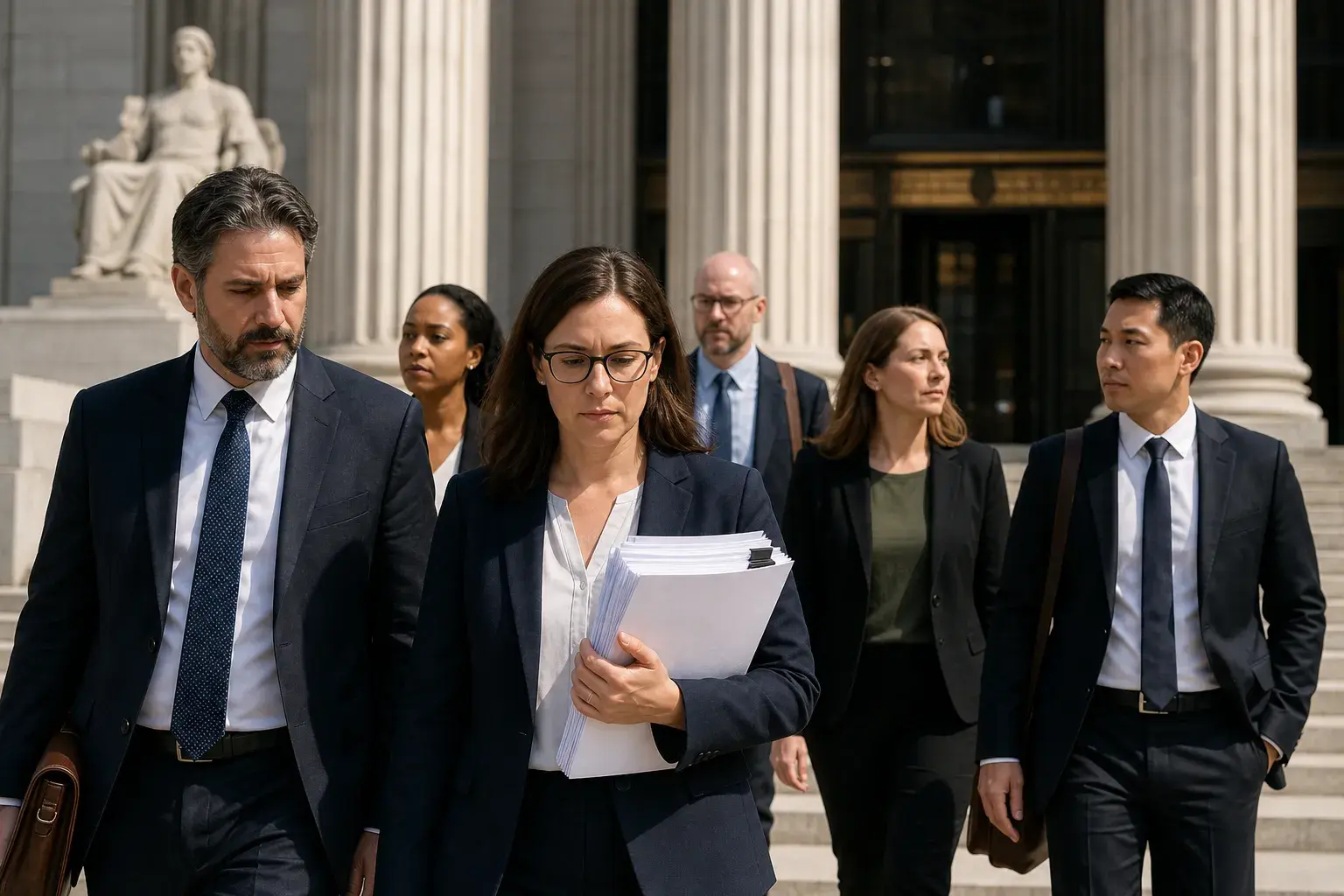
Coalition Takes DHS to Court
The Presidents’ Alliance on Higher Education and Immigration, NAFSA: Association of International Educators, the Association of Independent Colleges and Universities in Massachusetts, and several labor unions filed the lawsuit on August 18, 2026, in the U.S. District Court for the District of Massachusetts.
The plaintiffs include the American Federation of Teachers, The NewsGuild-CWA, the United Auto Workers, and unions representing graduate employees and other university workers. The lawsuit asks the court to stay and vacate the rule, or prevent its enforcement against the plaintiffs and their members while the case proceeds.
The complaint argues that the Department of Homeland Security acted arbitrarily and exceeded its legal authority. Those claims remain allegations, and the court has not yet decided whether the rule is lawful.
How Student Status Would Change
DHS published the final rule on July 17, 2026, with an effective date of September 15, 2026. It replaces the duration-of-status framework, under which eligible F-1 students and J-1 exchange visitors generally may remain while properly participating in their authorized programs, with admission periods tied to program dates and generally capped at four years.
Students needing more time could face a new USCIS filing. They would generally need to request an extension of stay rather than relying only on an updated Form I-20 or DS-2019 from their school or program sponsor.
The rule also reduces the standard post-completion departure period for newly admitted F-1 students from 60 days to 30 days. It restricts certain school transfers and program changes and prevents students who complete a U.S. program after September 15, 2026, from beginning another F-1 program at the same or a lower educational level.
What Students Should Watch
DHS says fixed admission dates will improve oversight and give immigration officers more opportunities to review whether visa holders are complying with their status. The plaintiffs counter that the system will create delays, administrative costs, and uncertainty for students whose degrees, research, or authorized training extend beyond their admission date.
Students already present under duration of status receive transition protections, although international travel, program changes, practical training applications, and long academic timelines may affect how the new requirements apply. Unless the court, Congress, or DHS changes the schedule, the rule remains set to take effect on September 15, 2026.
This article provides general information and is not legal advice. Students should consult their designated school official or a qualified immigration attorney about individual circumstances.
Sources
- Establishing a Fixed Time Period of Admission and an Extension of Stay Procedure for Nonimmigrant Academic Students, Exchange Visitors, and Representatives of Foreign Information Media — Federal Register (July 17, 2026)
- Presidents’ Alliance on Higher Education and Immigration et al. v. Department of Homeland Security — Complaint — U.S. District Court for the District of Massachusetts (August 18, 2026)
- University Groups File Immigration Lawsuit To Block Student Rule — Forbes (August 18, 2026)

Share
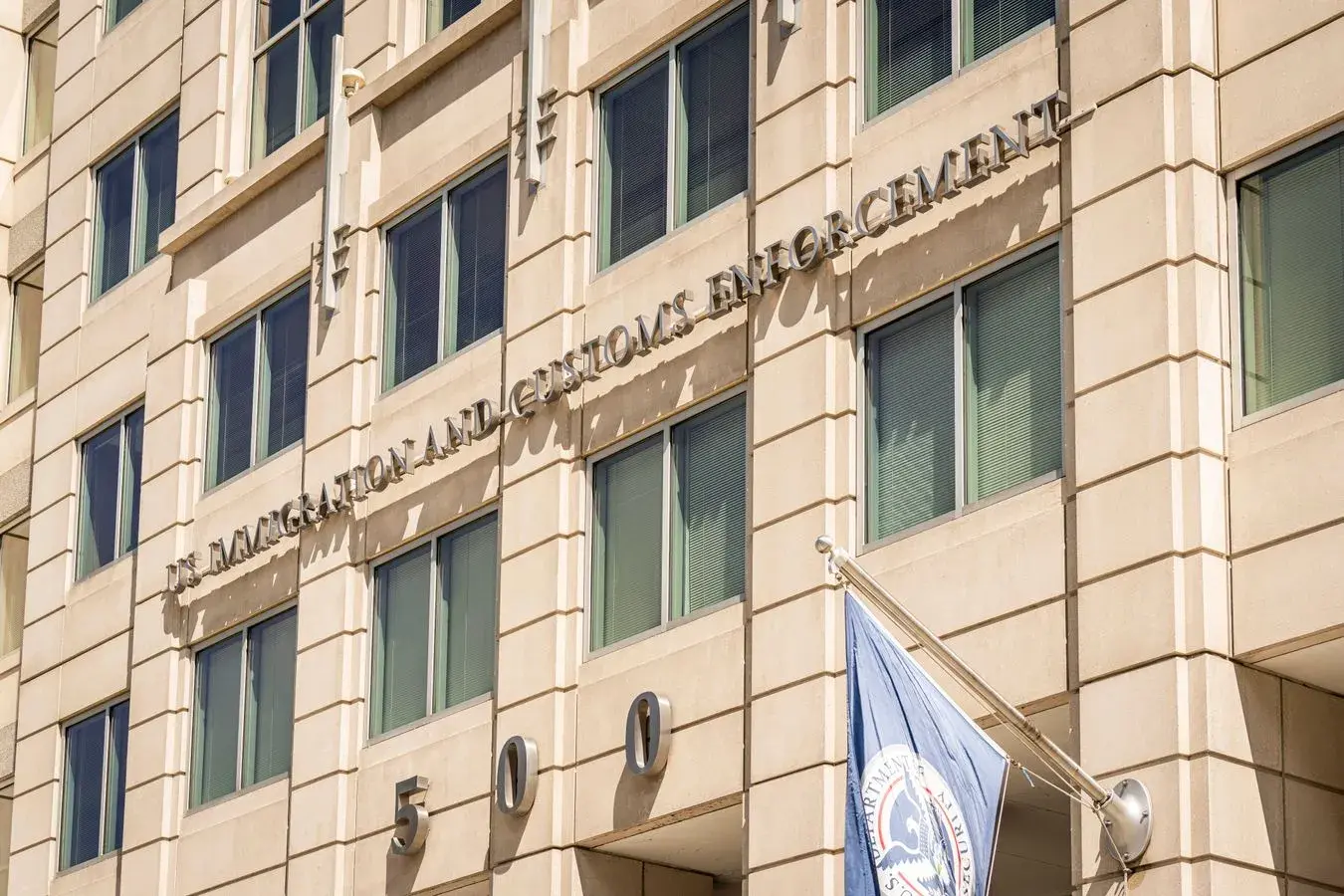
DHS Ends ‘Duration of Status’ for F‑1 Students, Starting Sept. 15

OPT’s 14-Month Rule Raises Stakes of USCIS Delays

No Comments Yet
Let us know what you think