
The Trump administration revived the “public charge” standard for green card decisions, restoring broader discretion for immigration officers to weigh whether an applicant might depend on certain government benefits. The move reverses the narrower Biden-era framework and adds new uncertainty for families and employers navigating permanent residency cases.
What Changed
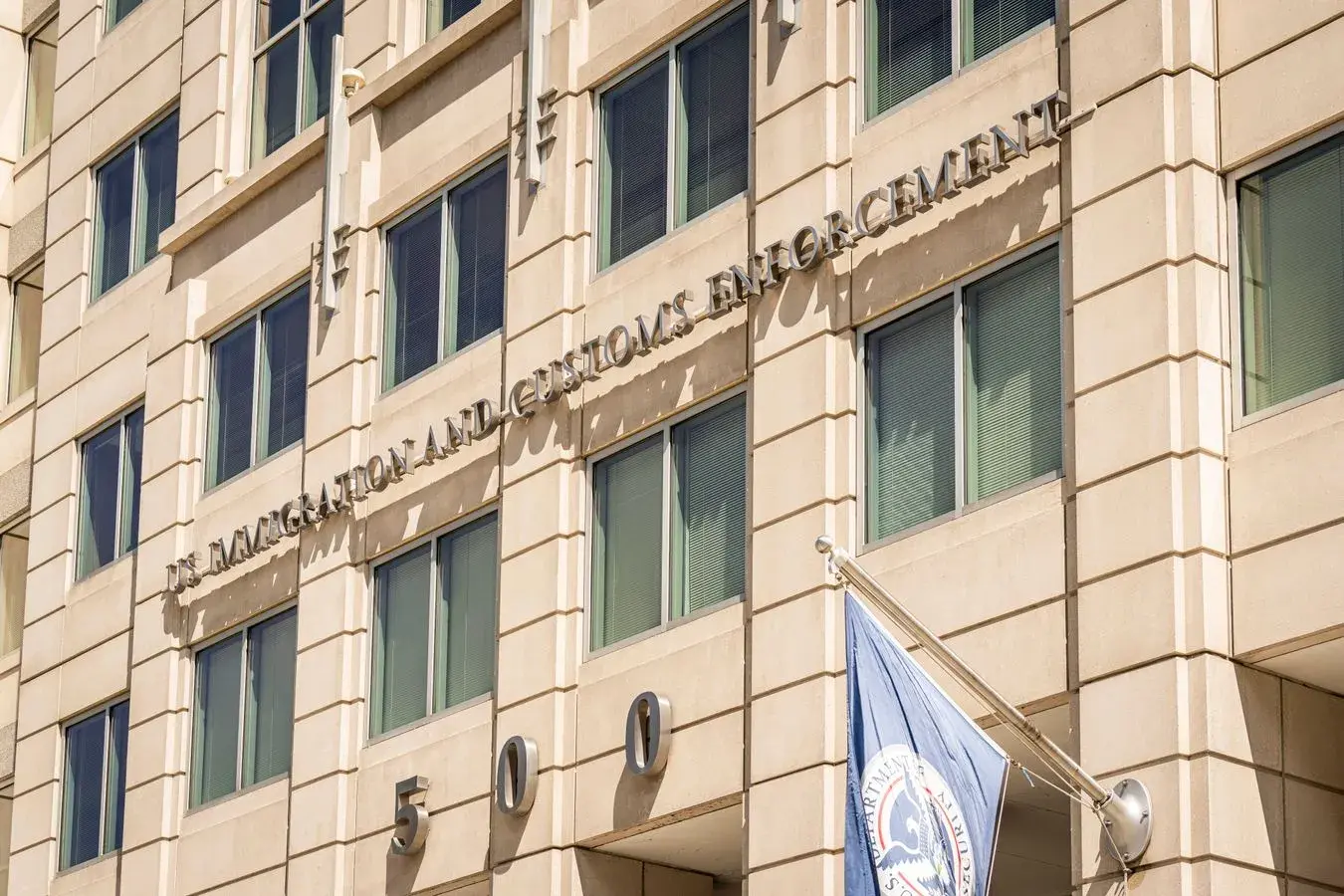
The policy appeared on July 16, 2026, in the Federal Register’s public inspection pages, will be formally published on July 20, 2026, and takes effect September 18, 2026. Under the revived approach, adjudicators may consider a wider set of benefits when determining if an applicant is likely to become a “public charge,” a ground of inadmissibility in U.S. immigration law. The government says case decisions will reflect a “totality of circumstances,” assessed individually.
How We Got Here
In 2019–2020, the Trump administration expanded the public charge test; in September 2022, the Biden administration finalized a narrower rule that focused on cash assistance or long-term institutionalization. The new action rescinds that 2022 standard and restores broader officer discretion. According to contemporaneous agency and news accounts, the revived policy allows consideration of a wider array of non-cash benefits, including programs such as food assistance and health coverage. SNAP, Medicaid and housing vouchers can be considered when assessing future reliance on public aid.
Who Could Be Affected
The change touches many applicants for lawful permanent residency who are subject to the public charge ground, including those applying through family or employment channels. It does not apply to categories Congress has exempted, but it may complicate decisions for mixed‑status families and low‑income applicants. Immigrant advocates warn of a “chilling effect,” saying eligible households may forgo essential services out of fear it could jeopardize future status. At the same time, officials emphasize that determinations will be made on a case-by-case basis under the statute’s long‑standing self‑sufficiency principles. Officers will make case-by-case determinations using the totality test.
What’s Next
Attorneys expect a period of adjustment as USCIS issues implementation guidance and applicants weigh timing. The rule also lands amid other recent shifts that have complicated green card planning; in May 2026, the administration separately said many would need to complete permanent residency processing abroad, with limited exceptions, underscoring a broader tightening of legal immigration pathways. Advocacy groups have condemned the public charge move and are exploring responses, which could include litigation and expanded community outreach.
Sources
- Trump administration revives rule that could deny green cards to immigrants who use public benefits — Associated Press (July 16, 2026)
- Trump administration revives rule that could deny green cards to immigrants who use public benefits — Washington Post (July 16, 2026)
- New Trump rule makes it harder for some immigrants to get green cards — CNN (July 20, 2026)

Share
States Sue to Block Trump’s New Public Charge Rule
D/S Final Rule Blocked One Day Before September 15
No Comments Yet
Let us know what you think