

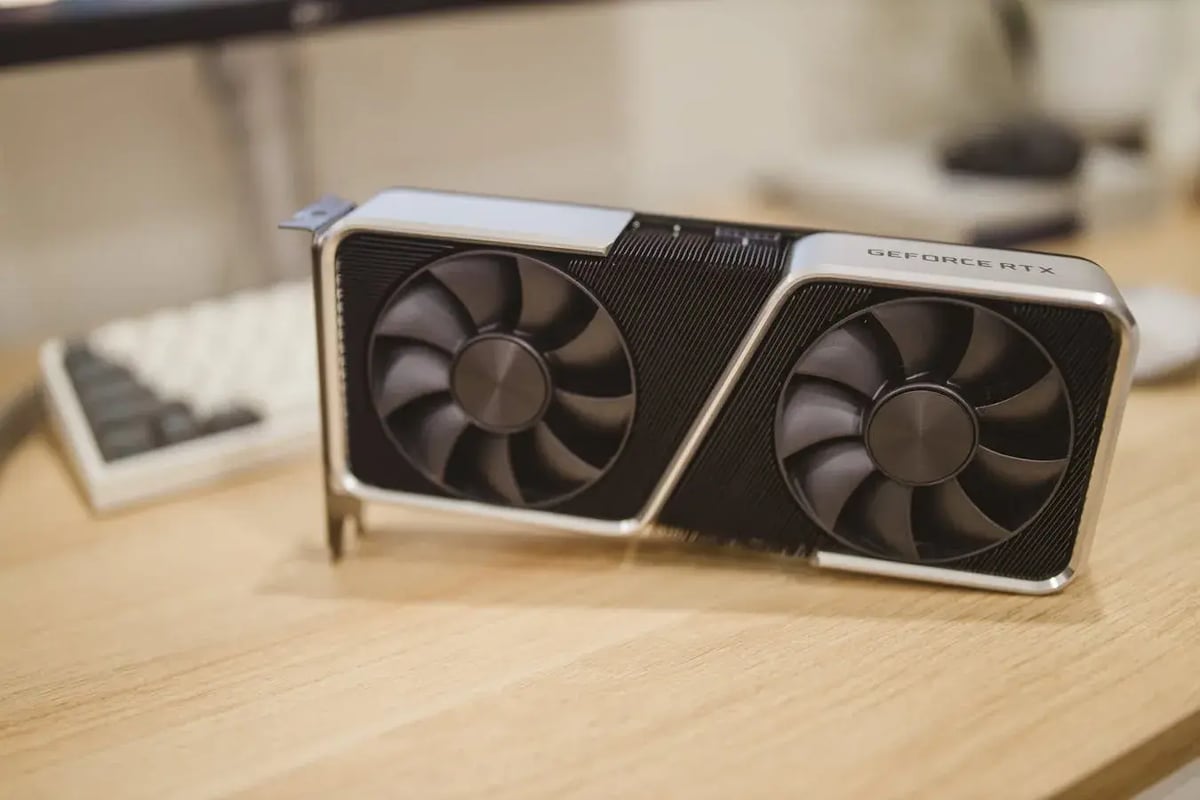
Prosecutors charged a Bay Area salesman with shipping Nvidia’s top AI chips to China, alleging he helped build a pipeline that moved cutting‑edge processors around U.S. export controls. The case highlights how demand inside China for high‑end AI hardware has fueled increasingly elaborate workarounds—and why Washington is intensifying enforcement.
What Happened?
According to a federal indictment unsealed on November 20, 2025, Cham “Tony” Li, a 38‑year‑old San Leandro, California resident, was charged alongside three others with conspiring to illegally export Nvidia GPUs to China. The Justice Department says the group used a Tampa, Florida, shell company to buy restricted hardware and route it through Malaysia and Thailand before delivery in China. Co‑defendants include Hon Ning “Mathew” Ho of Tampa, Brian Curtis Raymond of Huntsville, Alabama, and Jing “Harry” Chen of Tampa. Arrests occurred on November 19, 2025; the indictment carries export‑control, smuggling, and money‑laundering counts.
How The Scheme Worked
Investigators allege the group operated through Janford Realtor LLC—a real‑estate front—to conceal end users and destinations on customs paperwork. The indictment describes four shipments: two were completed, and two were stopped. Between October 2024 and January 2025, 400 Nvidia A100 GPUs reached China. Later, law enforcement disrupted attempts to send 10 HPE supercomputers, which were intercepted—each containing Nvidia H100 chips—and to export 50 standalone H200 GPUs. Prosecutors say the United States is pursuing asset forfeiture, including the hardware: The U.S. is seeking forfeiture of 50 H200 GPUs.
Why It Matters
The case underscores the stakes of U.S. export controls first tightened in October 2022 to limit China’s access to advanced AI compute. Even as Washington has adjusted some rules, authorities have stepped up investigations into gray‑market flows of powerful chips. Just last week, in a separate case, a co‑founder of Super Micro Computer and two others were charged with conspiring to divert billions of dollars’ worth of AI servers equipped with Nvidia processors to China—evidence of a broader crackdown on illicit supply chains.
What’s Next?
The defendants face significant potential prison time if convicted—up to 20 years per export‑control count, 10 years for smuggling, and 20 years for money laundering. Initial court appearances have taken place in Florida, Alabama, and California; further proceedings will determine whether the case goes to trial. The outcome will be closely watched by chipmakers, resellers, and cloud providers navigating evolving compliance obligations in the U.S.–China tech contest.
Disclaimer: An indictment is an allegation. The defendants are presumed innocent unless and until proven guilty in court.
Sources
- US Citizens and Chinese Nationals Arrested for Exporting AI Technology to China — U.S. Department of Justice (November 21, 2025)
- US Accuses Four of Smuggling Advanced NVIDIA Chips to China — Bloomberg (November 20, 2025)
- Three Men Charged With Smuggling US AI Technology to China — Associated Press (March 20, 2026)
- Silicon Valley Salesman Accused of Helping China Acquire NVIDIA Chips — Wall Street Journal


Share
U.S. Tightens Limits on Investment in Chinese Tech
India’s AI Push Meets Reality: Big Bets, But Gaps Remain

No Comments Yet
Let us know what you think