

India’s sprint to become an artificial intelligence hub is accelerating, yet a reality check persists. India is chasing up to $200 billion in AI data centers, courting global cloud giants while building shared compute for startups and researchers. The ambition is unmistakable; the question is how fast the country can close core gaps in chips, compute, and homegrown frontier models.
What Happened?
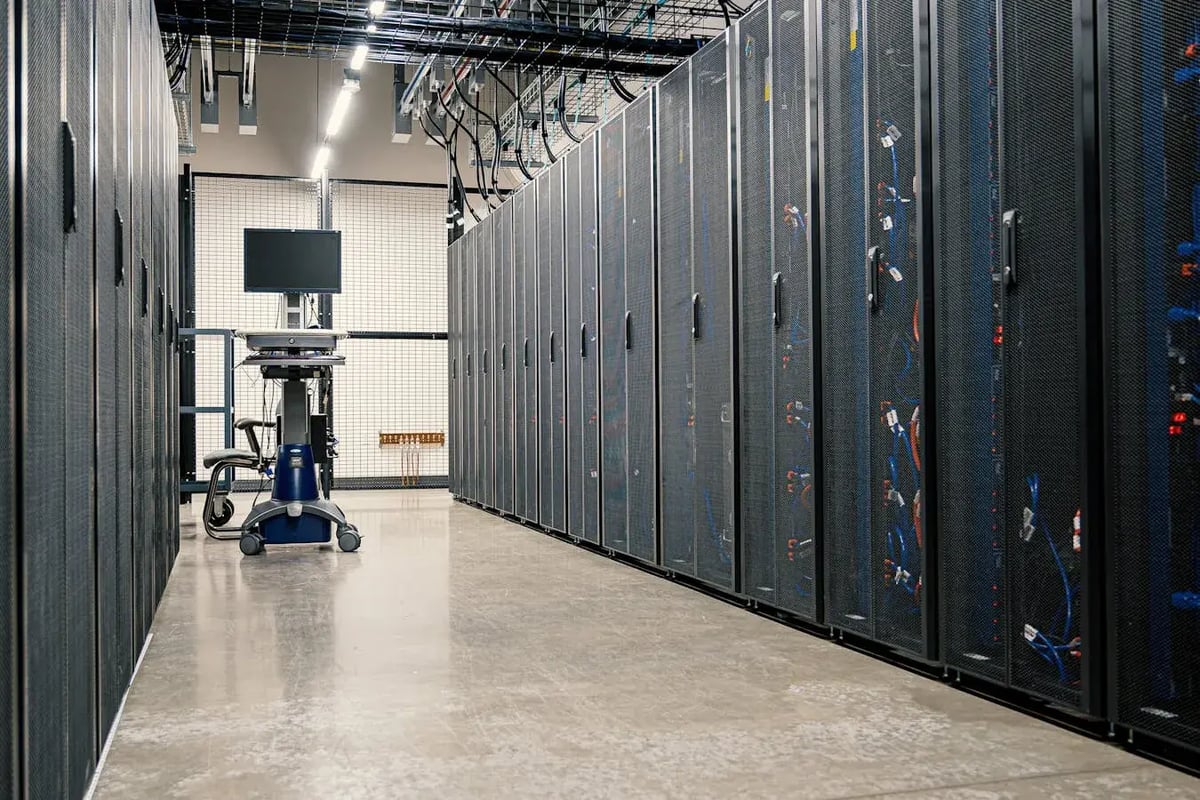
At the India AI Impact Summit in New Delhi on February 19, 2026, Prime Minister Narendra Modi cast India as a central node in the global AI ecosystem. Two days earlier, on February 17, 2026, Technology Minister Ashwini Vaishnaw said the country aims to attract as much as $200 billion in data-center investment over the next few years and noted that a shared national facility has surpassed 38,000 GPUs to broaden developer access. Microsoft pledged $17.5 billion for India on December 9, 2025, to expand cloud and AI infrastructure, and Google committed $15 billion for an AI hub on October 14, 2025.
How We Got Here
New Delhi’s IndiaAI Mission, approved in March 2024 with an outlay of ₹10,371.92 crore, set out to make compute, datasets, and talent more accessible. By May 30, 2025, the government said common compute capacity had crossed 34,000 GPUs, part of a phased strategy to subsidize access and seed indigenous models and tooling. Those investments have been matched by a wave of private commitments aimed at building data centers, subsea connectivity, and power infrastructure to meet AI’s voracious demand.
The Reality Check
Momentum aside, India still trails global leaders on several fronts. Reporting around the February summit underscored that the country lags in producing its own large-scale frontier models, constrained by access to advanced chips and the scale of modern data-center infrastructure, and challenged by the complexity of training across India’s many languages. The push to expand GPU access is closing part of that gap, but the scale-up curve for reliable power, cooling, and supply chains is steep—and global competition for top-tier silicon remains intense.
What’s Next?
Expect more capacity announcements, tax incentives for data-center buildouts, and continued public–private partnerships to localize compute and accelerate model development. For India’s AI ambition to translate into durable leadership, the next phase likely hinges on three execution levers: faster deployment of affordable compute at scale, a sharper pipeline from research to production-grade models in Indian languages, and sustained talent upskilling aligned to enterprise use cases.
Sources
- India Targets $200B Data Center Investment for AI Growth — AP (February 17, 2026)
- Modi Promotes India as Global AI Hub — AP (February 19, 2026)
- Microsoft to Invest $17.5B in India AI Infrastructure — AP (December 9, 2025)
- Google Plans $15B AI Investment in India — AP (October 14, 2025)
- India Compute Capacity Hits 34,000 GPUs for AI Push — MeitY/Digital India (May 30, 2025)
- India AI Ambitions Face Talent Gap Concerns — TeamBlind (April 2026)


Share

AI Upheaval Tests India’s IT Giants As Market Reprices

India Is Now the Most Active LLM Market as AI Firms Pile In
No Comments Yet
Let us know what you think