

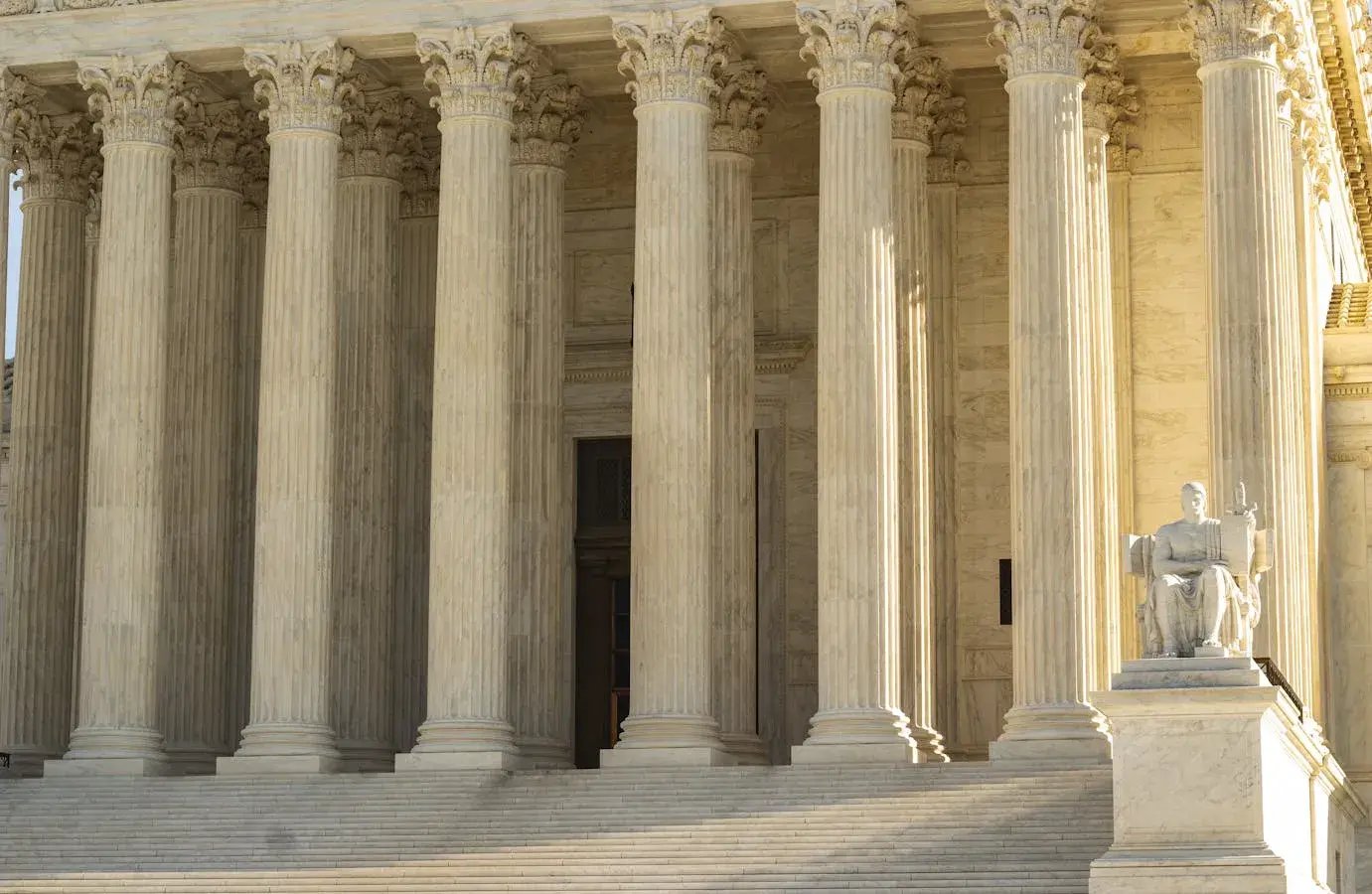
Author Dan Wang is sharpening the contrast he sees between the superpowers, arguing the United States is led by lawyers while China is led by engineers—a lens he says helps explain why one system often builds fast, and the other gets bogged down in process. His framing, central to his recent book and interviews, comes as real-world data points multiply on both sides of the rivalry.
What He Said
Wang, a longtime analyst of the Chinese industry, describes China as an “engineering state” and the U.S. as a “lawyerly society,” a distinction echoed in recent coverage of his work. In this view, China’s technocratic leadership prioritizes large-scale execution—railways, factories, energy systems—while America’s elite, heavy with legal training, emphasizes rules and litigation that can slow delivery. The frame is provocative, but it neatly fits ongoing debates over how each country governs innovation and industrial policy.
Why It Matters
China’s rapid industrial shifts are visible now. As its domestic market pivots hard to electric vehicles, legacy gasoline capacity is being pushed abroad, helping propel China to the top of global auto exports and jolting competitors from Mexico to Eastern Europe. China’s EV surge is reshaping global car markets and forcing rival manufacturers—and policymakers—to respond.
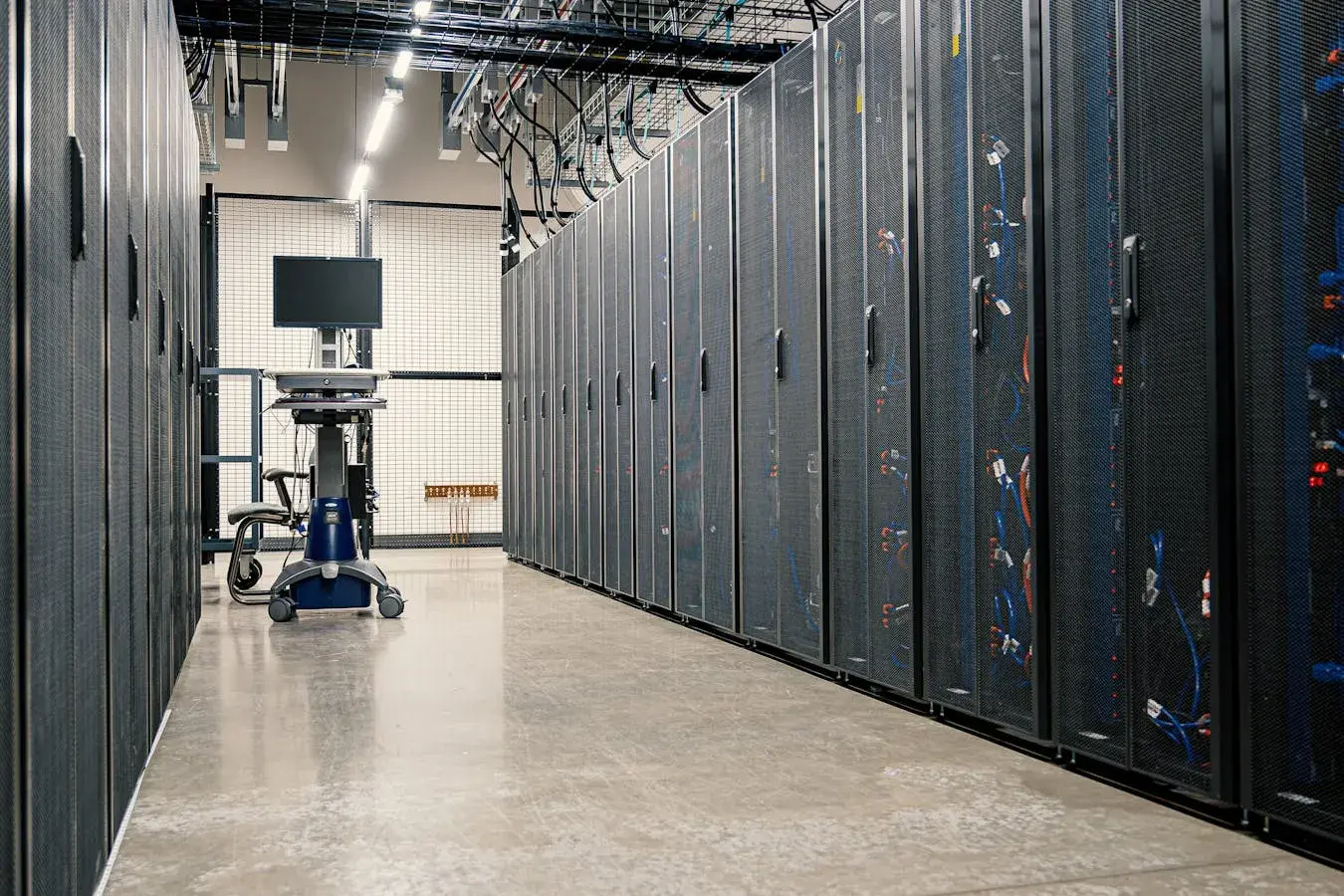
At the same time, the technology contest is tightening. Beijing has moved to curb the use of U.S. chips in sensitive sectors, deepening its push for self-reliance as Washington maintains restrictions on advanced semiconductor exports. China is narrowing access to U.S. AI chips, a shift that complicates plans for data centers and AI training at major platforms and underscores how policy, not just engineering, is steering outcomes.
China’s infrastructure drive provides further backdrop: landmark projects—from high-speed rail to record-setting bridges—reinforce the image of a state geared toward building at scale, even as critics warn about debt, overcapacity, and heavy-handed governance.
What To Watch
For the U.S., the question is whether a rules-first system can streamline permitting and procurement enough to translate industrial ambitions into on-the-ground delivery, without sacrificing safeguards. For China, the risk is that an execution-first model overreaches—especially in property, tech, and local finance—denting dynamism just as it seeks to climb further up the value chain. Both systems face trade-offs between speed and accountability; the balance they strike will shape supply chains, standards, and market power far beyond their borders.
Sources
- Hoover’s Dan Wang discusses future of US-China rivalry — Bloomberg (December 2, 2025)
- Chinese regulators block ByteDance from using Nvidia chips — Reuters (November 26, 2025)
- China exports excess gasoline cars it can’t sell domestically — Reuters (December 2, 2025)
- China opens world’s tallest bridge, expanding infrastructure push — Washington Post (September 15, 2025)
- How China’s engineers outpace US legal systems — Financial Times (September 2025)


Share

Bay Area Salesman Charged in Nvidia AI Chip Scheme
AWS pledges up to $50B for U.S. government AI infrastructure
No Comments Yet
Let us know what you think