

A federal judge vacated an immigration appeals board ruling that had bolstered the Trump administration’s no-bond detention policy, intensifying a fast-moving legal struggle over when noncitizens can be jailed during deportation proceedings.
What Happened?
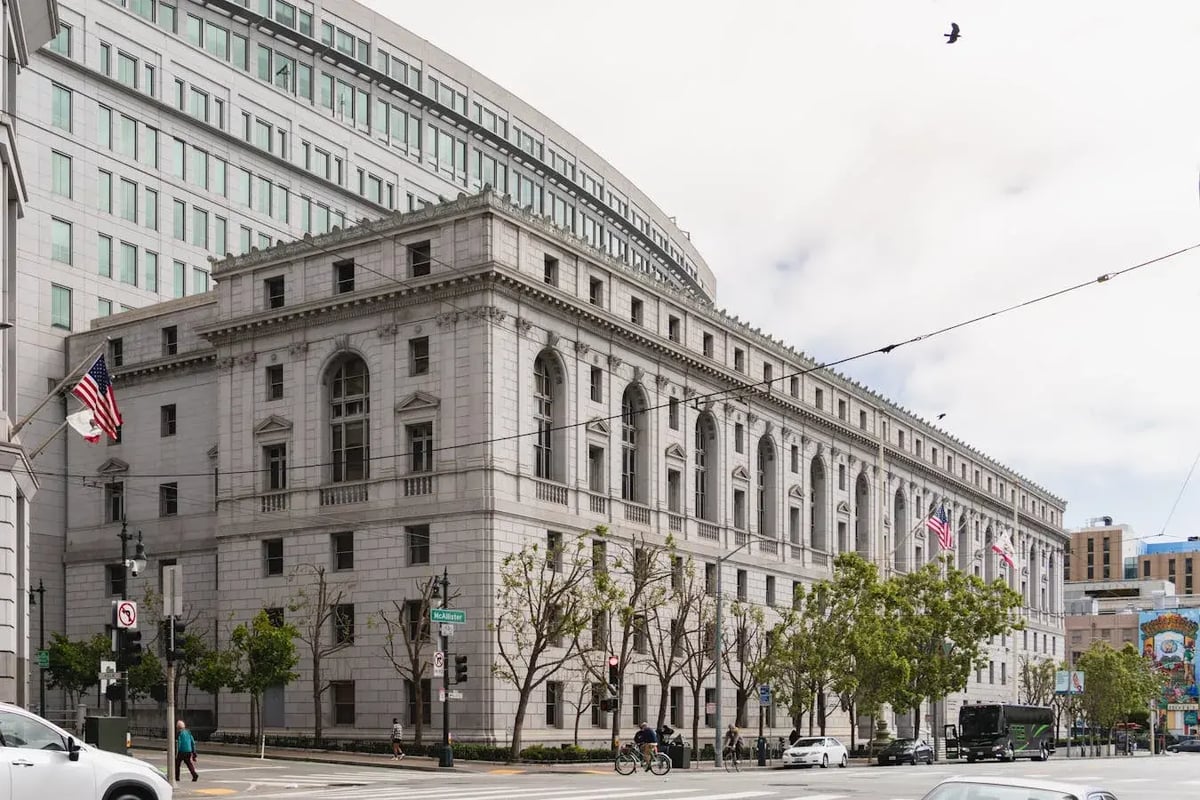
On February 18, 2026, U.S. District Judge Sunshine S. Sykes in Riverside, California, set aside a Board of Immigration Appeals decision that had endorsed the administration’s interpretation allowing broad detention without bond. In a nationwide class-action case, Sykes found the government had not complied with her earlier order deeming the underlying policy unlawful, effectively removing the board’s ruling as a basis for denying bond hearings. The move marks the most sweeping federal court intervention yet against the policy since it was rolled out last year.
How We Got Here
The administration reinterpreted immigration law in July 2025, directing that many undocumented immigrants arrested inside the United States be treated as “applicants for admission,” and thus ineligible for bond before an immigration judge. The policy stems from a July 2025 ICE directive and was later endorsed by the immigration appeals board, diverging from decades of practice in which long‑time residents without criminal records could typically seek bond while cases progressed.
Courts have split. Fifth Circuit upheld the policy on February 6, 2026, with a 2–1 panel accepting the administration’s reading of the statute; Judge Edith H. Jones wrote the majority, and Judge Dana M. Douglas dissented. Sykes, by contrast, has repeatedly concluded the no‑bond approach is unlawful and, in late 2025, expanded access to bond hearings nationwide for detainees without criminal records. Sykes’ order applies to a nationwide class of detainees, setting up a sharper clash with the appellate ruling.
What It Means
The practical effect is uneven for now. In jurisdictions bound by the Fifth Circuit (including Texas and Louisiana), the appellate ruling strengthens the administration’s hand. But Sykes’s nationwide class order—and now her decision vacating the appeals board’s endorsement—gives detainees elsewhere fresh grounds to seek bond hearings. The conflicting decisions heighten uncertainty for thousands of people in ICE custody and for the officers, immigration judges, and attorneys navigating day‑to‑day detention decisions.
What’s Next?
Further appeals are likely. The Justice Department could seek relief from the Ninth Circuit or move quickly toward a Supreme Court showdown to resolve whether long‑time undocumented residents arrested far from the border can be held without bond as if they were arriving at a port of entry. Until then, detention outcomes will hinge on where a case is filed and which ruling controls.
Sources
- US judge throws immigration board's ruling endorsing Trump mass detention policy — Reuters (February 18, 2026)
- Appeals court affirms Trump policy of jailing immigrants without bond — The Washington Post (February 7, 2026)
- Fifth Circuit sides with Trump on Mandatory Immigrant Detention — Bloomberg Law (February 6, 2026)
- Trump’s hardline immigration policy of detention hit — The Indian Express (February 19, 2026)


Share

Republicans Push Back On Trump’s Immigration Crackdown
Justices Cast Doubt on Trump’s Birthright Order
No Comments Yet
Let us know what you think