

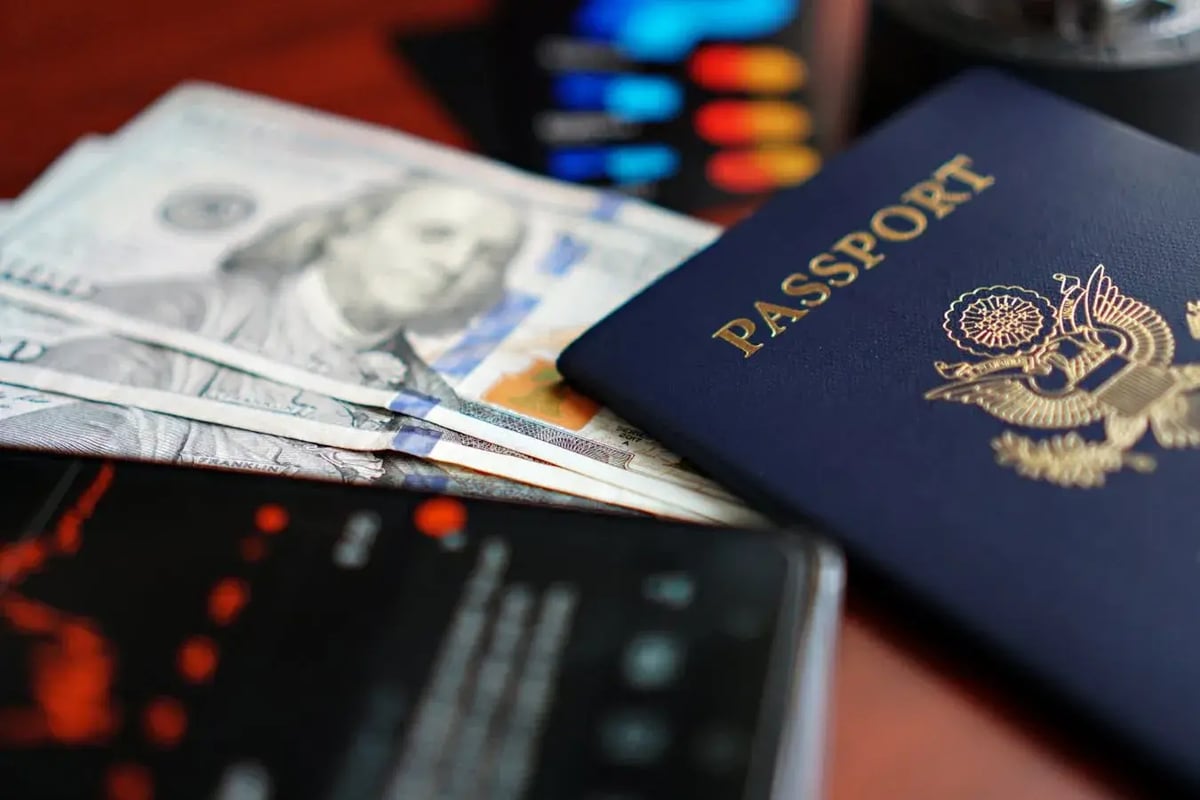
Trump imposed a $100,000 fee on new H-1B entries, a move that Bloomberg’s analysis says will land hardest on Indian IT outsourcers Tata Consultancy Services and Infosys. The sharp cost increase targets petitions for workers applying from abroad and could reshape how global tech talent flows into the United States.
What’s New?
The policy stems from a presidential proclamation signed on September 19, 2025, that conditions entry of new H-1B specialty-occupation workers on a $100,000 payment. Applies to petitions from September 21, 2025, the measure does not affect existing H-1B visa holders, according to federal guidance and court filings. The proclamation allows case-by-case exemptions when deemed in the national interest, administered by the Department of Homeland Security. Policy lasts 12 months unless extended.
The White House argues the fee will deter abuse of the program and prioritize higher-skilled roles, while business groups warn it will strain employers in tech, healthcare, and academia that rely on global talent.
Why It Hits Outsourcers
Bloomberg’s review of government data indicates the brunt of the new charge would fall on multinational staffing and outsourcing firms that source most new hires from outside the U.S. Those include Tata Consultancy Services, Infosys, and Cognizant. Between May 2020 and May 2024, nearly 90% of new H-1B hires at the three companies were processed at U.S. consulates abroad, meaning they would have triggered the fee under today’s rules. For Infosys alone, Bloomberg found more than 93% of new hires—about 10,400 workers—fit that category, implying more than $1 billion in charges if the policy had applied during that period. Tata’s comparable figure was roughly 6,500 workers (82%), and Cognizant’s was more than 5,600 (89%). Bloomberg says Infosys had 93% consular hires.
Industry attorneys and analysts say the shift could prompt employers to delay or relocate roles offshore rather than absorb the costs of six figures per hire, particularly for entry-level or mid-senior positions.
Legal And Market Fallout
States and business coalitions moved quickly to challenge the fee. On December 12, 2025, a coalition of 20 states led by California sued to block it, arguing the administration lacks authority to impose revenue-raising immigration charges and that the rule will deepen workforce shortages. Twenty states have sued to block the fee. Separately, the U.S. Chamber of Commerce and other groups have filed related suits. The administration maintains the policy is lawful and aimed at curbing system abuse while preserving access to top talent.
The coming months will test whether the fee dampens spring lottery registrations and how generously national-interest exemptions are granted—two variables that will determine how disruptive the policy becomes for employers and foreign professionals.
Sources
- Tata and Infosys to bear impact of Trump’s $100K H‑1B fee — Bloomberg (December 15, 2025)
- Trump’s $100K H‑1B visa fee faces legal challenges from US states — Reuters (December 12, 2025)
- Restriction on entry of certain nonimmigrant workers — The White House (September 19, 2025)


Share
Judge Strikes Down Trump’s $100,000 H-1B Visa Fee

Second Judge Blocks Trump's $100,000 H-1B Visa Fee
No Comments Yet
Let us know what you think