
New U.S. hurdles for high‑skilled visas are colliding with the country’s push to lead in artificial intelligence, reviving a long‑running debate over how immigration policy shapes tech competitiveness.
What Happened?
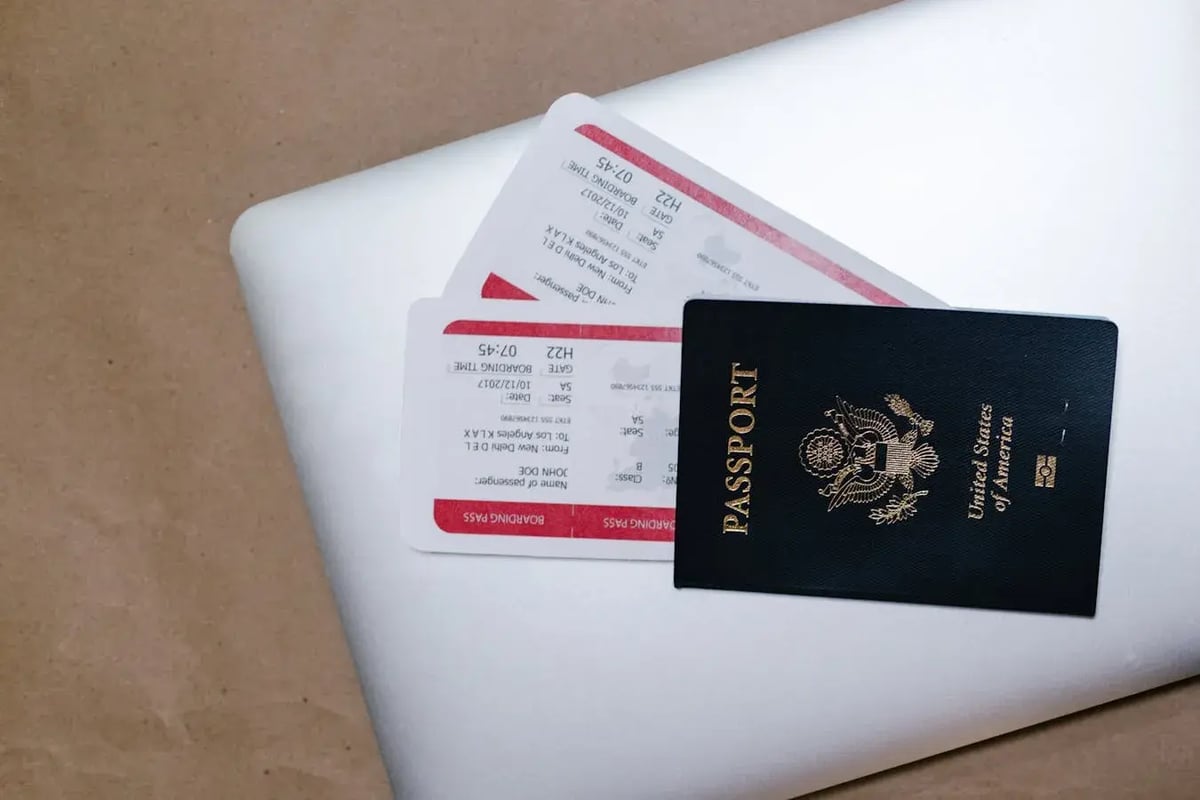
A Wall Street Journal opinion column spotlights how the H‑1B program—one of the main channels for employing foreign engineers—intersects with America’s AI race. The piece lands as immigration rules are shifting: in September 2025, the White House introduced a new $100,000 fee on H‑1B petitions for new applicants, a move that spurred confusion and pushback across the tech sector. The administration later clarified that the fee applies to new petitions only, not to existing visa holders or renewals.
Another change arrives this month: on February 27, 2026, the government is set to implement a wage‑weighted selection system for the annual H‑1B cap, replacing the long‑standing pure lottery. The stated aim is to prioritize higher‑paid, higher‑skill roles while keeping overall statutory caps unchanged.
Why It Matters For AI
America’s largest technology firms employ thousands of H‑1B workers and argue that the visas help fill specialized roles that feed cutting‑edge research and deployment in AI. The Washington Post has reported that companies are advising visa‑holding employees to avoid international travel amid policy uncertainty, underscoring how integral this talent pool is to day‑to‑day operations and long‑term projects.
At the same time, Big Tech has committed extraordinary capital to AI and data‑center infrastructure—hundreds of billions of dollars in 2025 alone—betting that breakthroughs will drive the next decade of growth. Industry leaders warn that cost spikes and selection rules that favor only the highest‑paid tiers could bottleneck early‑career researchers and startups, potentially pushing work to friendlier jurisdictions. Supporters of the new measures counter that tighter rules will reduce abuse and ensure visas go to truly specialized jobs.
What’s Next?
The wage‑weighted system takes effect on February 27, 2026, in time for the FY 2027 cap season. Legal and policy challenges are possible, and additional guidance from federal agencies will determine how smoothly employers and international graduates can navigate the new framework. For now, the strategic question for companies—and the country—is whether these shifts ultimately strengthen or strain the talent pipeline needed to sustain U.S. momentum in AI.
Sources
- Opinion | H-1B Visas and the AI Race — The Wall Street Journal (February 2026)
- Trump adds new $100,000 fee for H‑1B visas — Bloomberg (September 19, 2025)
- White House says $100K H‑1B visa fee won’t apply to existing holders — Associated Press (September 21, 2025)
- Tech companies are telling immigrant employees on visas not to leave the U.S. — Washington Post (March 31, 2025)
- Big Tech lines up over $300bn in AI spending for 2025 — Financial Times (2025)


Share
Even America’s Poorest States Top Most G7 on GDP Per Person
Law Firm Flags USCIS Scrutiny of B Visa Filings by Laid-Off H‑1Bs

No Comments Yet
Let us know what you think