

House bill would pause H‑1B visas and set a $200,000 minimum pay, aiming to reshape how U.S. employers hire high‑skilled foreign workers and signaling a sharper turn in Washington’s debate over legal immigration.
What Happened
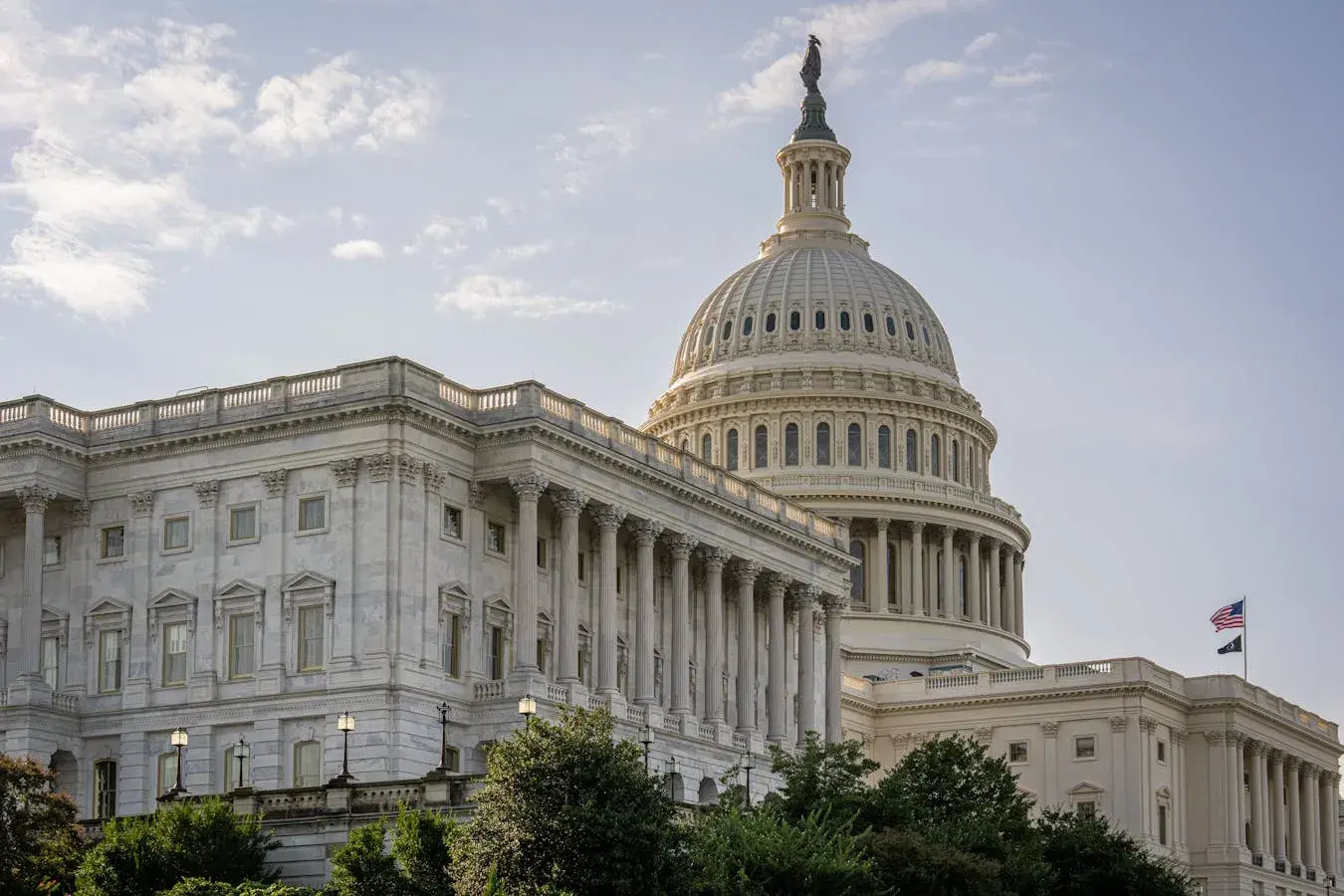
On April 22, 2026, Rep. Eli Crane of Arizona introduced the End H‑1B Visa Abuse Act of 2026. The proposal would halt the issuance of new H‑1B visas for three years and then restart the program under stricter rules. Among its most striking features: a $200,000 minimum salary for any H‑1B role, a shift from the current lottery to a wage‑based selection, and a reduction of the annual cap from 65,000 to 25,000. It also bars third‑party staffing arrangements and requires employers to attest they could not find a qualified U.S. worker and have not conducted layoffs.
Inside The Proposal
The bill goes beyond wages and selection mechanics. It would end Optional Practical Training for international students, restrict H‑1B dependents from accompanying workers, prohibit federal agencies from sponsoring nonimmigrant workers, and block H‑1B holders from adjusting to permanent residency. Sponsors frame the package as a reset to prioritize U.S. workers after the pause. Supporters outside Congress, including the Immigration Accountability Project, have praised the measure; critics are likely to argue it would undercut talent pipelines in technology, health care, and academia.
Ending Optional Practical Training for students and barring H‑1B holders from green card transition would represent some of the largest structural changes to high‑skilled immigration in decades.
Why It Matters
Indian professionals, who receive the largest share of H‑1B approvals in recent years, could face the most immediate impact if the bill advanced, from delayed job starts to curtailed family mobility. The push also lands amid a tougher overall environment: in September 2025, the White House imposed a $100,000 supplemental fee on certain new H‑1B cases, now being challenged in court, and the Department of Homeland Security has moved to a wage‑weighted selection process for the FY 2027 cap season.
The Road Ahead
The Crane bill is part of a broader legislative drive on the right. In February 2026, Rep. Greg Steube introduced the EXILE Act to eliminate the H‑1B category starting in fiscal year 2027, while earlier proposals such as Rep. Chip Roy’s PAUSE Act would freeze most legal immigration and end programs like OPT. Still, any sweeping rewrite faces an uncertain path in Congress and would require passage in both chambers and the president’s signature. For now, existing H‑1B rules remain in place unless and until legislation is enacted.
Sources
- Rep. Crane Introduces Legislation to Pause and Reform the Broken H‑1B Visa Process — U.S. House of Representatives (April 22, 2026)
- Trump signs proclamation adding $100K annual fee for H‑1B visa applications — Associated Press (September 19, 2025)
- Rep. Steube Introduces EXILE Act — U.S. House of Representatives (February 9, 2026)
- Rep. Roy Introduces Legislation to Freeze All Immigration — U.S. House of Representatives (November 20, 2025)

Share
U.S. Tightens H-1B and Student Visas as 2026 Rules Take Effect
USCIS hits FY 2027 H‑1B cap; no second lottery

No Comments Yet
Let us know what you think