
The U.S. tightened student-visa screening and work authorization rules, reshaping the pipeline of international students and early‑career researchers that many colleges rely on. The result is a tougher path into U.S. classrooms and labs — and fresh budget and staffing strains across higher education.
What Changed For Students
On May 27, 2025, the State Department ordered U.S. embassies and consulates to pause new appointments for F‑1, J‑1 and M‑1 visa interviews while it prepared broader social‑media vetting. Interviews resumed on June 19, 2025 — but with a new requirement: applicants must provide access to their social accounts for review, and officers are instructed to scrutinize posts for potential hostility toward the United States. Appointments resumed with mandatory social‑media access on June 19, 2025, a shift that can slow processing and raise denials.
A New Work-Authorization Landscape
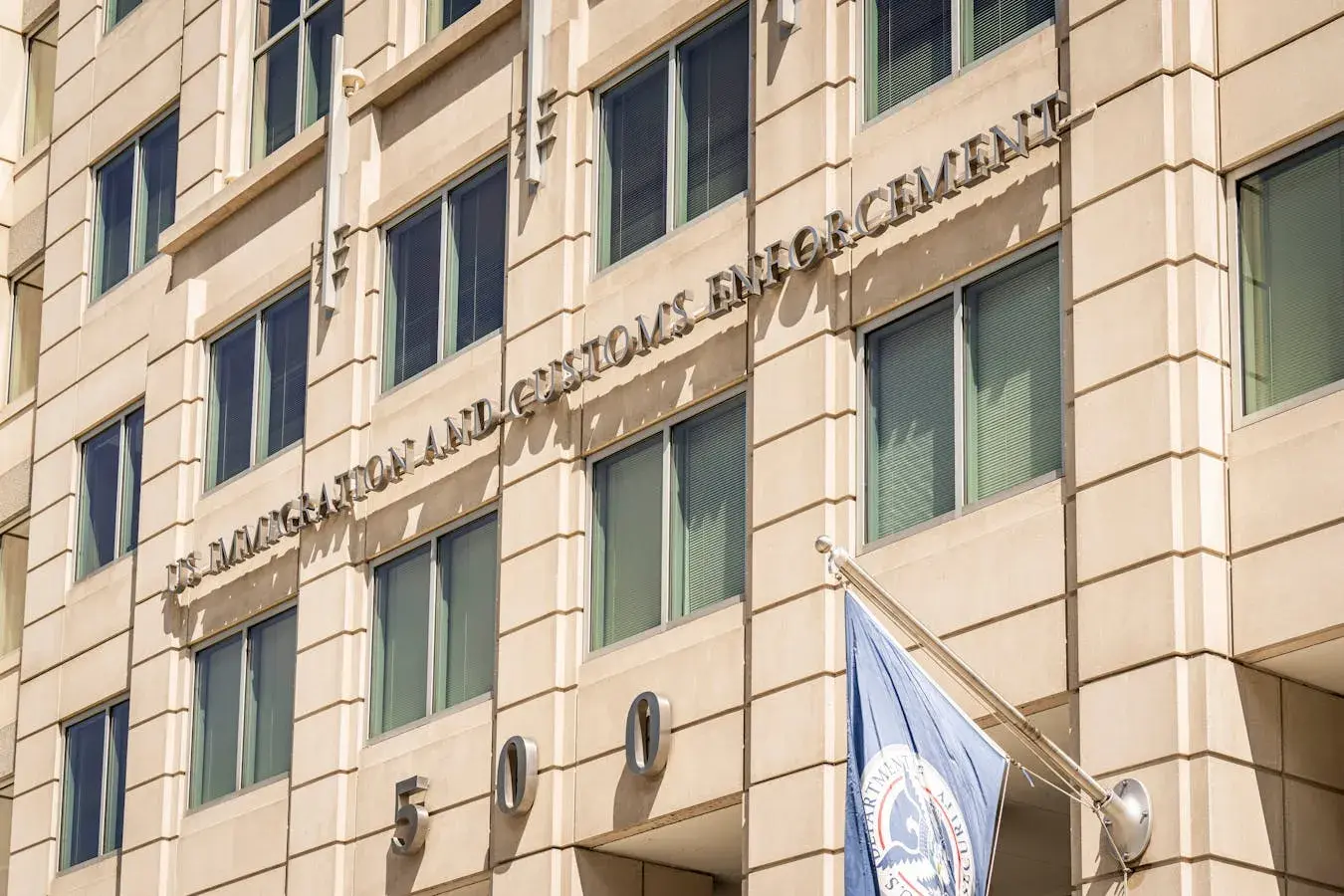
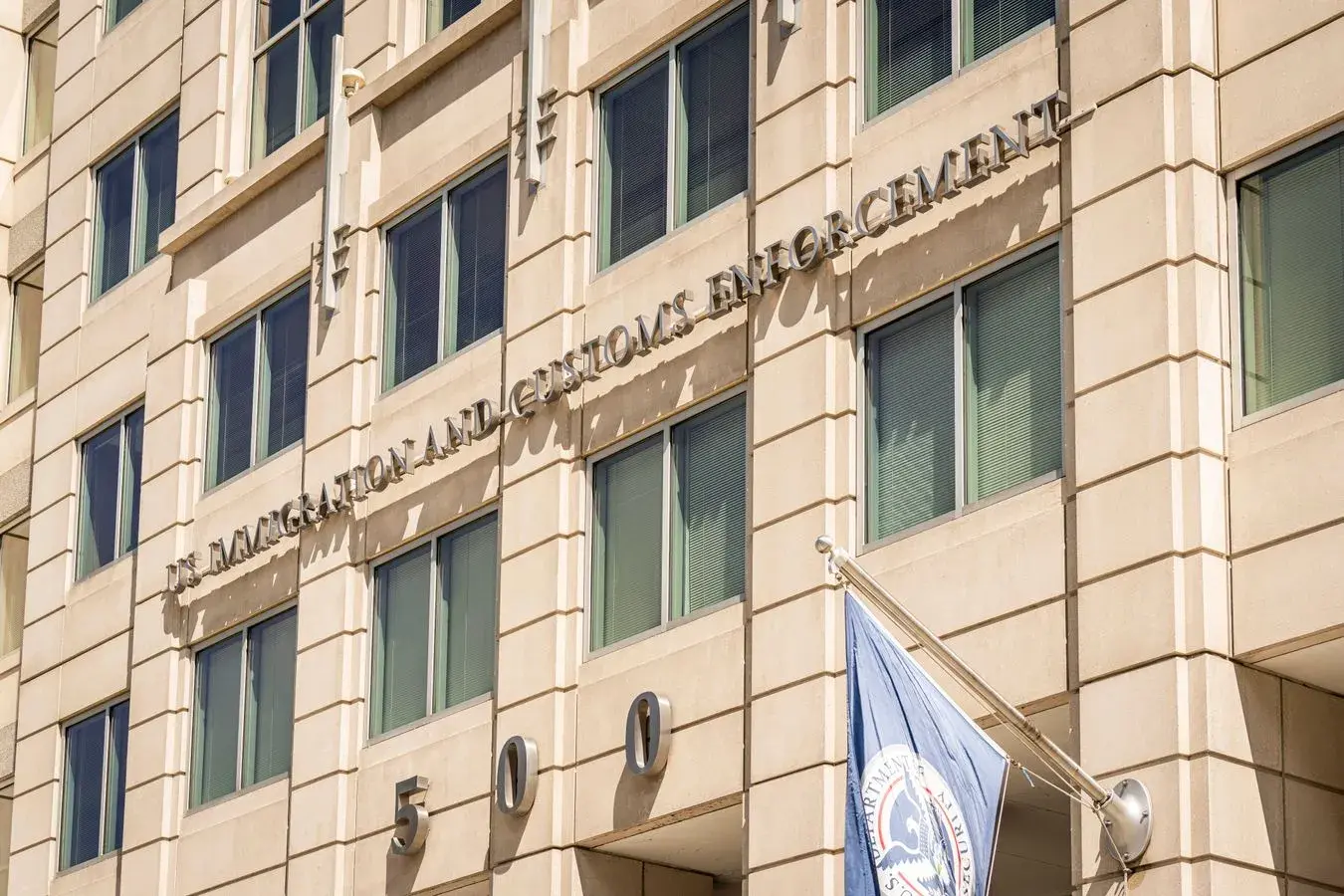
Another inflection point arrived on October 30, 2025, when the Department of Homeland Security published an interim final rule ending the automatic extension of Employment Authorization Documents (EADs) for most renewal applicants. The change, effective immediately, removes the up‑to‑540‑day bridge many visa holders used to avoid employment gaps while renewals were pending. DHS ended most automatic EAD extensions on October 30, 2025, signaling a stricter posture on work authorization while cases await adjudication.
One important caveat for campuses and employers: the separate, long‑standing rule for F‑1 graduates on STEM OPT still allows up to 180 days of continued employment while a timely STEM extension application is pending. That safety valve remains in effect under existing USCIS guidance, even as the broader EAD auto‑extension has been curtailed.
Why Campuses Feel It
The policy swing has had measurable effects. By the fall 2025 term, newly enrolled international students declined about 17% from the prior year, according to data cited by Bloomberg — a reversal after several years of post‑pandemic growth. Fewer new arrivals mean thinner tuition revenue in some programs and tighter staffing in labs that depend on graduate researchers. A 17% slide in new international enrollments hit in fall 2025, concentrating pressure on STEM‑heavy institutions and public universities with budget gaps.
What’s Next
Consulates continue applying enhanced social‑media screening in 2026, and the DHS work‑authorization rule is in force as an interim final regulation, with the potential for court challenges or revisions after public comment. University leaders say they’re expanding overseas recruitment, adding earlier application timelines, and building contingency plans for research teams if authorizations lag. The big unknown for admissions offices opening files this spring: whether processing times stabilize — or whether the next round of guidance tightens the spigot again.
Sources
- US stops scheduling visa interviews for foreign students while it expands social media vetting — Associated Press (May 27, 2025)
- State Dept. pauses new student visas, plans tougher social media review — The Washington Post (May 27, 2025)
- US resumes visas for foreign students but demands access to social media accounts — Associated Press (June 19, 2025)
- Foreign Student Enrollment Is Down 17% Under Trump. What It Means for Universities — Bloomberg (November 17, 2025)
- Removal of the Automatic Extension of Employment Authorization Documents — Federal Register (October 30, 2025)
- Optional Practical Training Extension for STEM Students (STEM OPT) — USCIS (accessed May 5, 2026)
- How Administration’s 2026 Immigration Crackdown Is Changing U.S. Higher Education — Forbes (May 2026)
Share
U.S. Tightens H-1B and Student Visas as 2026 Rules Take Effect
USCIS Limits Adjustment of Status to Rare Cases
No Comments Yet
Let us know what you think