

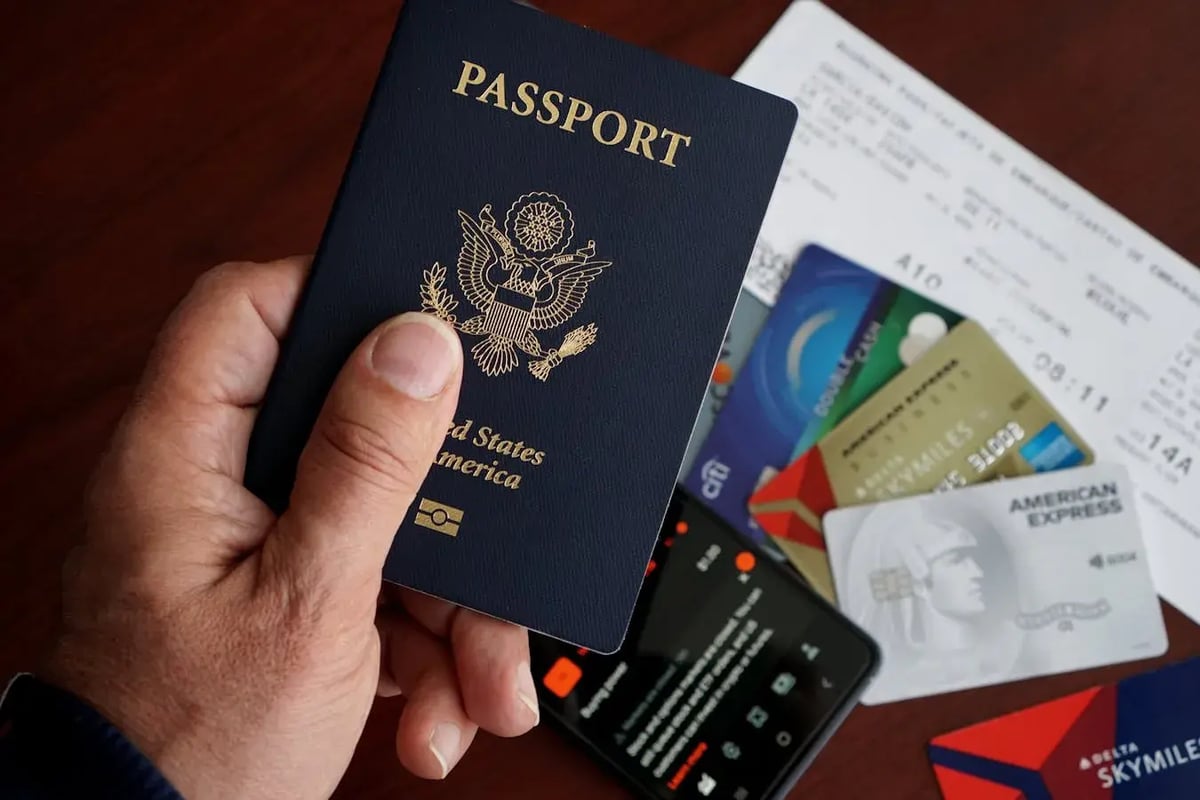
The Trump administration is moving to expand denaturalization of some naturalized Americans, sharpening a rarely used legal tool that revokes U.S. citizenship in cases of fraud or unlawful procurement. The stepped-up posture adds a new front to the White House’s broader immigration crackdown and signals more referrals from immigration agencies to federal prosecutors.
What Changed?
In recent months, the Justice Department has told its Civil Division to prioritize denaturalization, describing it as a top enforcement focus and backing that up with a series of new cases across the country. According to the Washington Post reporting, new guidance for 2026 asks U.S. Citizenship and Immigration Services field offices to increase referrals to the Justice Department—potentially numbering into the hundreds each month. While denaturalization remains lawful only in limited circumstances, the policy shift points to significantly more scrutiny of past naturalization files.
DOJ named denaturalization a top-five priority in June 2025. Since then, the department has filed or won several cases involving alleged application fraud, concealed criminal history, and human-rights abuses, underscoring a more aggressive posture than in prior years.
How Denaturalization Works
Denaturalization is not a discretionary agency action; it requires the government to bring a case in federal court and persuade a judge that citizenship was obtained illegally or by willful misrepresentation. The process is civil in most instances, meaning defendants may not be entitled to a court-appointed lawyer. Historically, such cases have been rare—averaging only a few dozen annually over recent decades—but officials now say they intend to pursue more, including beyond traditional targets like war criminals or national-security threats.
Cases still require a federal judge to revoke citizenship. Even with stepped-up referrals, legal standards are high, and proceedings can be lengthy, which is one reason mass denaturalization has not materialized despite tougher rhetoric in past years.
Why It Matters
Immigration lawyers and civil-rights groups warn that widening the pipeline for denaturalization could chill legitimate naturalization and unsettle roughly 25–26 million foreign-born U.S. citizens. They argue that broader criteria risk politicizing who counts as an American and could sweep in people over minor or unproven allegations. The administration counters that denaturalization protects the integrity of citizenship by targeting those who lied or hid disqualifying facts.
Large-scale denaturalizations remain unlikely, experts say. The combination of court oversight, evidentiary burdens, and resource demands means most naturalized Americans are unaffected. But the policy shift raises the odds of more investigations, more court filings—and more anxiety—among communities that have long viewed citizenship as the final step to stability.
Sources
- Immigration lawyers criticize Justice Department push to pull citizenship — Washington Post (July 4, 2025)
- What the Justice Department's push to bring denaturalization cases means — Associated Press (July 1, 2025)
- Justice Department files denaturalization complaint against Bosnian War Persecutor Fraud — U.S. Department of Justice (December 19, 2025)
- Trump administration efforts to strip citizenship from foreign-born Americans — NBC News (February 13, 2026)


Share
Justices Cast Doubt on Trump’s Birthright Order
Homeland Security Shutdown Nears as ICE Standoff Drags

No Comments Yet
Let us know what you think