

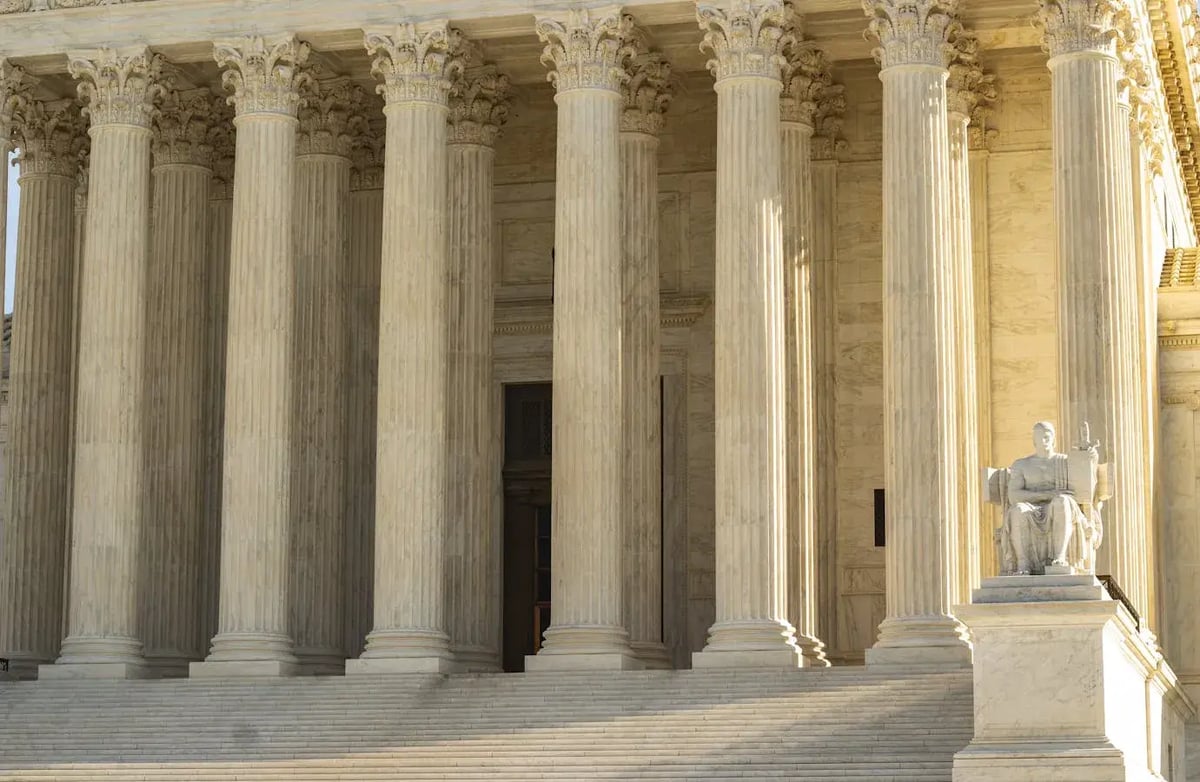
Supreme Court justices signaled skepticism toward President Trump’s order to curb birthright citizenship, in high-stakes arguments that could redefine who is recognized as an American at birth.
What Happened?
During oral arguments on April 1, 2026, multiple justices—across the ideological spectrum—pressed the government on whether the Constitution and federal law permit limiting citizenship for children born in the United States to parents who are undocumented or in the country temporarily. The courtroom moment drew added attention because President Trump attended part of the session, a historic rarity for a sitting president. He departed before arguments concluded, which ran a little over two hours.
The Legal Fault Lines
The dispute centers on the Fourteenth Amendment’s Citizenship Clause and a 1952 federal statute that echoes its language. Several justices questioned the administration’s reading of the phrase “subject to the jurisdiction,” a position that would narrow the long-standing rule that almost everyone born on U.S. soil is a citizen. The court’s 1898 decision in United States v. Wong Kim Ark—widely viewed as the leading precedent—loomed large throughout the session. That 1898 ruling has anchored birthright citizenship for more than a century.
Arguing for the administration, Solicitor General D. John Sauer faced pointed questions, including from some conservative justices, about text, history, and practical consequences. Lawyers for the challengers, led by the American Civil Liberties Union’s Cecillia Wang, urged the court to reaffirm the constitutional guarantee and the congruent protections in federal law.
Context And Stakes
Trump signed the order in January 2025, early in his second term. It has never taken effect; lower courts quickly blocked it while litigation proceeded. Wednesday’s hearing marked the first time the justices confronted the policy’s constitutionality head-on, after previously addressing procedural battles over nationwide injunctions. A ruling against the order would preserve the status quo; a ruling for it could force sweeping changes to how the government records and verifies citizenship at birth.
Trump’s visit made him the first sitting president known to attend Supreme Court arguments, underscoring the case’s political and legal weight. A decision is expected by June or July 2026.
What’s Next?
The court will issue its opinion later this term. However the justices rule, the decision will clarify the scope of the Citizenship Clause and determine whether any shift in birthright policy must come from Congress—or not at all. Until then, the lower-court blocks remain in place and current citizenship practices continue nationwide.
Sources
- Supreme Court Skeptical of Trump Birthright Citizenship Plan — Washington Post (April 1, 2026)
- Supreme Court Hears Trump Birthright Citizenship Case — Associated Press (April 1, 2026)
- Trump Attends Supreme Court Birthright Citizenship Hearing — Associated Press (April 1, 2026)
- Justices Question Limits on Birthright Citizenship — New York Times (April 1–2, 2026)
- Supreme Court Doubts Trump Birthright Citizenship Order — Wall Street Journal (April 2, 2026)


Share
Trump Freezes Immigration Cases From 19 Countries
ICE targets suspected 'birth tourism' networks in new push
No Comments Yet
Let us know what you think