

New evidence from labor data and official studies points to a clear pattern: the recent tariff wave is squeezing U.S. jobs more than shoppers’ prices. Factory payrolls have weakened even as overall inflation has cooled at times or proved uneven, suggesting companies are absorbing costs, switching suppliers, or delaying pass-through to consumers.
What’s New
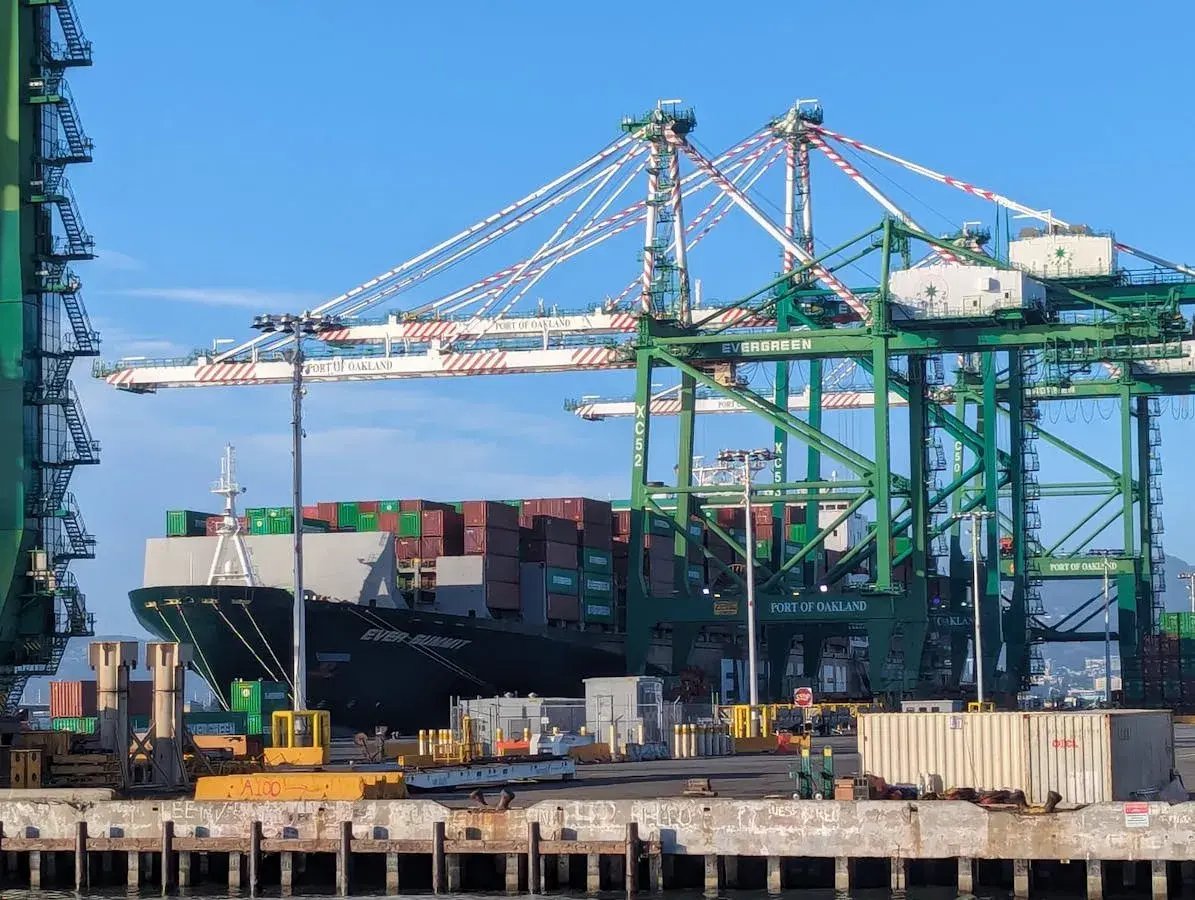
U.S. manufacturing employment declined again in December 2025, extending a months-long slide that began last spring, according to federal data reported by Reuters. Factory jobs have fallen for eight straight months, leaving the sector down more than 70,000 positions since April 2025. The broader economy added just 50,000 jobs in December, and the unemployment rate edged down to 4.4%, the Associated Press reported, underscoring a cooler hiring backdrop even as layoffs remain relatively low.
Why Prices Look Resilient
Tariffs typically lift prices by taxing imports. Yet several forces have muted the hit to shopping carts so far. Businesses stocked up ahead of policy changes, re-routed supply chains, and trimmed margins to keep customers. Inflation also cooled notably in early 2025 before the latest duties took hold, giving retailers some cushion.
Historical analysis from the U.S. International Trade Commission helps explain the split: during earlier rounds of steel, aluminum, and China tariffs, importers bore nearly the full tariff cost as import prices rose one-for-one with the duties. That dynamic raised input costs but didn’t always translate into broad consumer-price spikes—especially when firms found substitutes or accepted lower margins. At the same time, the ITC found downstream industries faced higher input prices and slightly lower output, hinting at employment pressure even when sticker shock at the register was limited.
Where Jobs Feel The Strain
Manufacturing is especially exposed. Research from Federal Reserve economists examining the 2018–2019 tariff cycle found that protection for some industries was outweighed by higher input costs and foreign retaliation, leading to relative declines in factory employment and output. Those mechanisms rhyme with today’s slowdown in hiring across goods-producing sectors. Downstream production fell 0.6% on average under prior metal tariffs, the ITC reported—small on paper but meaningful across large supply chains.
What To Watch
Legal and market crosscurrents could shape the next phase. The Supreme Court is weighing challenges to aspects of the tariff regime, and any ruling on refund obligations could ripple through budgets and business plans. Meanwhile, price effects remain concentrated: metal-heavy categories, for instance, have seen sharper increases, while overall inflation has been tempered by cheaper energy, cooling rents, and competitive pressure. In short, jobs appear to be carrying more of the adjustment burden than everyday prices—at least for now.
Sources
- US factory headcount falling despite promised manufacturing boom — Reuters (January 9, 2026)
- Sluggish hiring ends year for job seekers; unemployment slips to 4.4% — Associated Press (January 9, 2026)
- Section 232 & 301 tariffs reduced imports, raised prices, and production — U.S. International Trade Commission (March 15, 2023)
- Inflation cooled sharply in March ahead of tariffs — The Washington Post (April 10, 2025)
- Treasury can cover any tariff refunds, says Bessent — Reuters (January 10, 2026)


Share

ADP: Private Hiring Nearly Flat In January At 22,000
Fractal sets Feb 9–11 dates for ₹2,834 crore AI IPO

No Comments Yet
Let us know what you think