

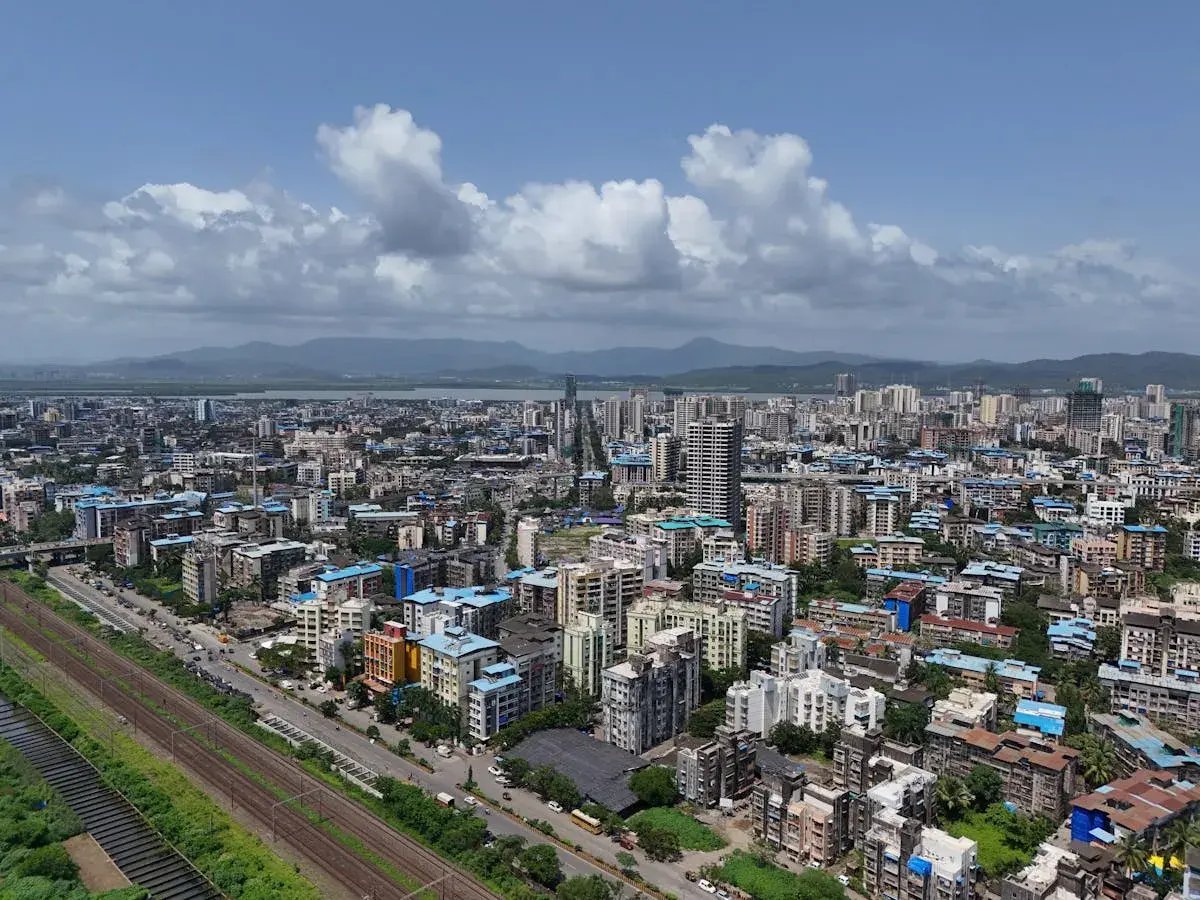
After a bruising year of tariffs, currency slides, and stop-start demand, India enters 2026 with a ‘Goldilocks’ mix of growth and cooling prices—a backdrop many investors see as unusually balanced for an emerging market.
What Happened?
The headline growth picture remains firm. GDP grew 8.2% in July–September 2025, the best in six quarters, helped by resilient domestic demand and healthier corporate balance sheets, according to official data cited by major outlets. Signs of moderation appeared late in the year: manufacturing activity in December eased to a two‑year low, and services growth cooled to an 11‑month low, though both stayed comfortably in expansion territory. The rupee, meanwhile, logged its sharpest annual drop in three years amid hefty portfolio outflows and lingering uncertainty over a U.S. trade deal. Inflation, however, provided a key offset—inflation fell to a record low in October 2025 before edging up, strengthening the case for easier monetary policy if needed.
The Bigger Picture
Put together, the data sketch an economy that absorbed a difficult external year—steep U.S. tariffs on some goods and a weaker currency—yet held onto momentum at home. The Reserve Bank of India’s latest financial stability update described growth as robust and resilient, underpinned by domestic demand and improved balance sheets. That combination—solid output with subdued price pressures—explains why “Goldilocks” has crept into the conversation even as some late‑year indicators softened.
By The Numbers
-
Growth: July–September 2025 real GDP rose 8.2% year over year.
-
Activity: the HSBC/S&P Global manufacturing PMI fell to 55.0 in December and the services PMI to 58.0—both still signaling expansion.
-
Currency: the rupee ended 2025 around 89.87 per dollar, a 4.7% annual decline, its worst since 2022.
-
Prices: October’s consumer inflation hit a series‑low print before ticking higher in November and December, leaving overall price pressures relatively subdued.
-
On the fiscal side, April–November’s deficit reached 62.3% of the full‑year target, with capital spending continuing to rise.
What’s Next?
Near‑term dynamics hinge on whether softening PMIs proves temporary and how trade negotiations evolve. Subdued input costs and mild output‑price gains suggest price stability may persist, offering the central bank room to adjust policy if growth slows further. A steadier external backdrop—or progress on a U.S. trade agreement—could relieve pressure on the rupee and exports. For now, the balance of strong recent growth, easing inflation, and manageable fiscal settings gives India a shot at sustaining its 2025 momentum into early 2026.
Sources
- India’s services growth hits 11-month low in December — Reuters (January 6, 2026)
- Factory growth slows to two-year low amid weak demand — Reuters (January 2, 2026)
- Indian rupee enters 2026 weak after worst annual drop in 3 years — Reuters (December 31, 2025)
- Fiscal deficit at 62.3% of 2025/26 target — Reuters (December 31, 2025)
- India sees strong growth, pledges buffers against global volatility — Bloomberg (December 31, 2025)
- Inflation at record low fuels bets on deeper rate cuts — Bloomberg (November 12, 2025)
- India to grow in 2026, but economic gains for citizens uncertain — Financial Times (January 6, 2026)
- Despite tough 2025, Indian economy achieves “Goldilocks” momentum — Forbes (January 4, 2026)


Share
Even America’s Poorest States Top Most G7 on GDP Per Person
Tariffs Spare Oil Imports but Squeeze U.S. Drillers on Steel Costs
No Comments Yet
Let us know what you think