

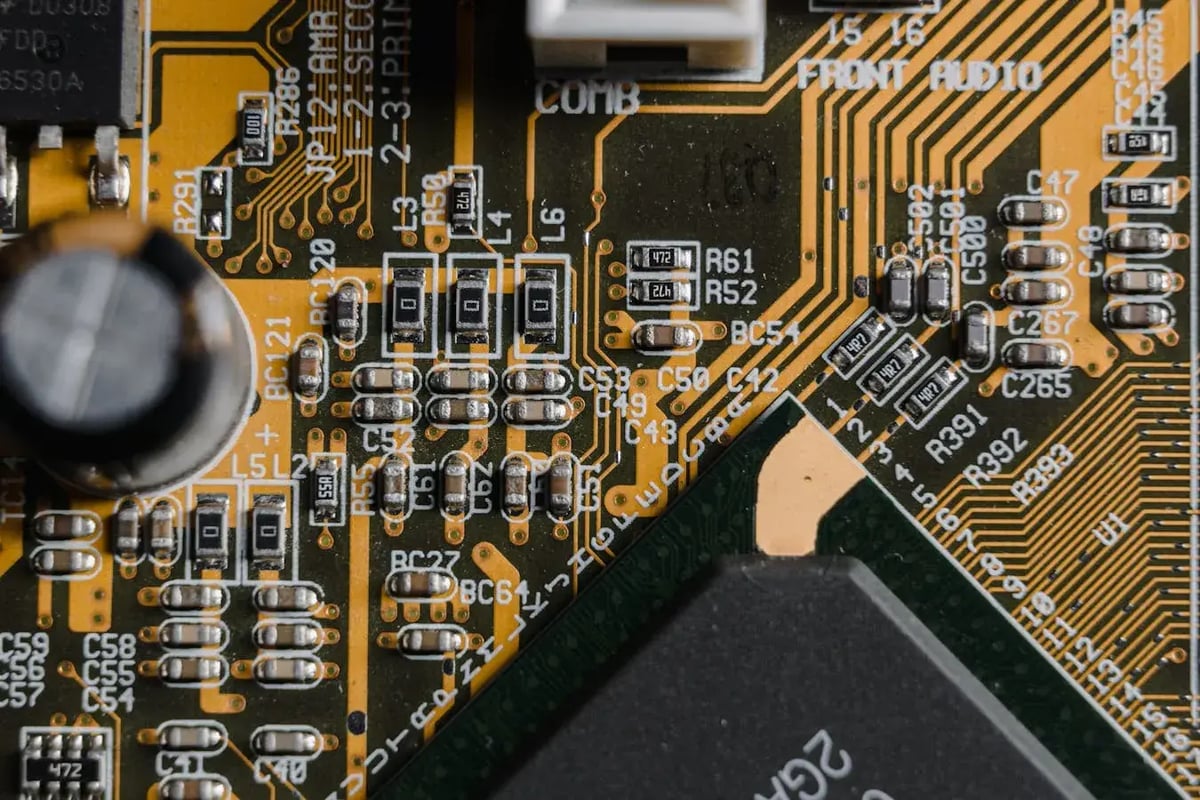
The Trump administration is close to a Taiwan trade deal, one that would link lower U.S. tariffs on Taiwanese goods to fresh semiconductor investment on American soil by Taiwan Semiconductor Manufacturing Co. (TSMC), according to multiple reports.
What Happened?
Bloomberg reports the two sides are in the final stretch of talks on an agreement that would reduce duties on Taiwanese imports to 15% from 20%, aligning Taiwan’s treatment with other key U.S. allies that reached deals last year. Tariffs would drop to 15% from 20% under the emerging framework, people familiar with the matter said.
As part of the prospective pact, the New York Times reported — and Reuters relayed — that TSMC would commit to building at least five additional manufacturing facilities in Arizona. While the timing and exact specifications are still being negotiated, TSMC would add at least five Arizona facilities under the proposal, according to those reports.
The Bigger Picture
A tariff cut for Taiwan would place it on par with Japan and South Korea, which secured 15% rates in 2025 after striking their own investment-linked arrangements with Washington. The approach reflects the administration’s broader strategy of trading tariff relief for long-term industrial commitments inside the United States.
TSMC is already a pillar of that push. The company has outlined a multiyear expansion in the U.S., including multiple fabs and advanced packaging plants in Arizona. In March 2025, TSMC said its total planned U.S. outlay would reach $165 billion with additional facilities and an R&D hub. TSMC has already outlined $165 billion in U.S. spending, providing a foundation that the new deal would seek to build upon.
What’s Next?
The prospective agreement has not been finalized, and details — from the pace of new construction to any public incentives — could shift before an announcement. For TSMC, execution will hinge on permitting, skilled labor, power, and water access, and supply chain readiness in Arizona. For Washington and Taipei, the immediate question is how quickly a legally vetted text can be completed and rolled out.
If concluded, the pact would deepen U.S.-Taiwan economic ties and accelerate domestic chip capacity at a moment when AI demand, supply-chain security, and strategic competition are reshaping where advanced semiconductors are made. The headline tariff rate is straightforward; the lasting impact will turn on how rapidly fabs come online and how effectively they integrate into the broader U.S. chip ecosystem.
Sources
- Trump team nears Taiwan trade deal with increased US chip investment — Bloomberg (January 12, 2026)
- US-Taiwan trade deal may lower tariffs, boost TSMC facilities — Reuters (January 12, 2026)
- TSMC plans US expansion under proposed Taiwan tariff-relief deal — Wall Street Journal (January 12, 2026)
- TSMC to invest $165B in US to support AI development — TSMC press release (March 4, 2025)


Share
U.S. Colleges See 17% Drop In New International Students

TikTok Ban Averted? U.S.-China Near Breakthrough Deal
No Comments Yet
Let us know what you think