

Harvard advised international students to return before new visa rules take effect on September 15, 2026. The timing matters because F-1 students and J-1 exchange visitors who are already in the United States may qualify for transition protections that could be lost after international travel and reentry.
A Fixed Admission Period
The Department of Homeland Security published its final rule on July 17, 2026. The change replaces duration of status with a fixed admission date for F, J, and I visa classifications, including international students, exchange visitors, and foreign media representatives.
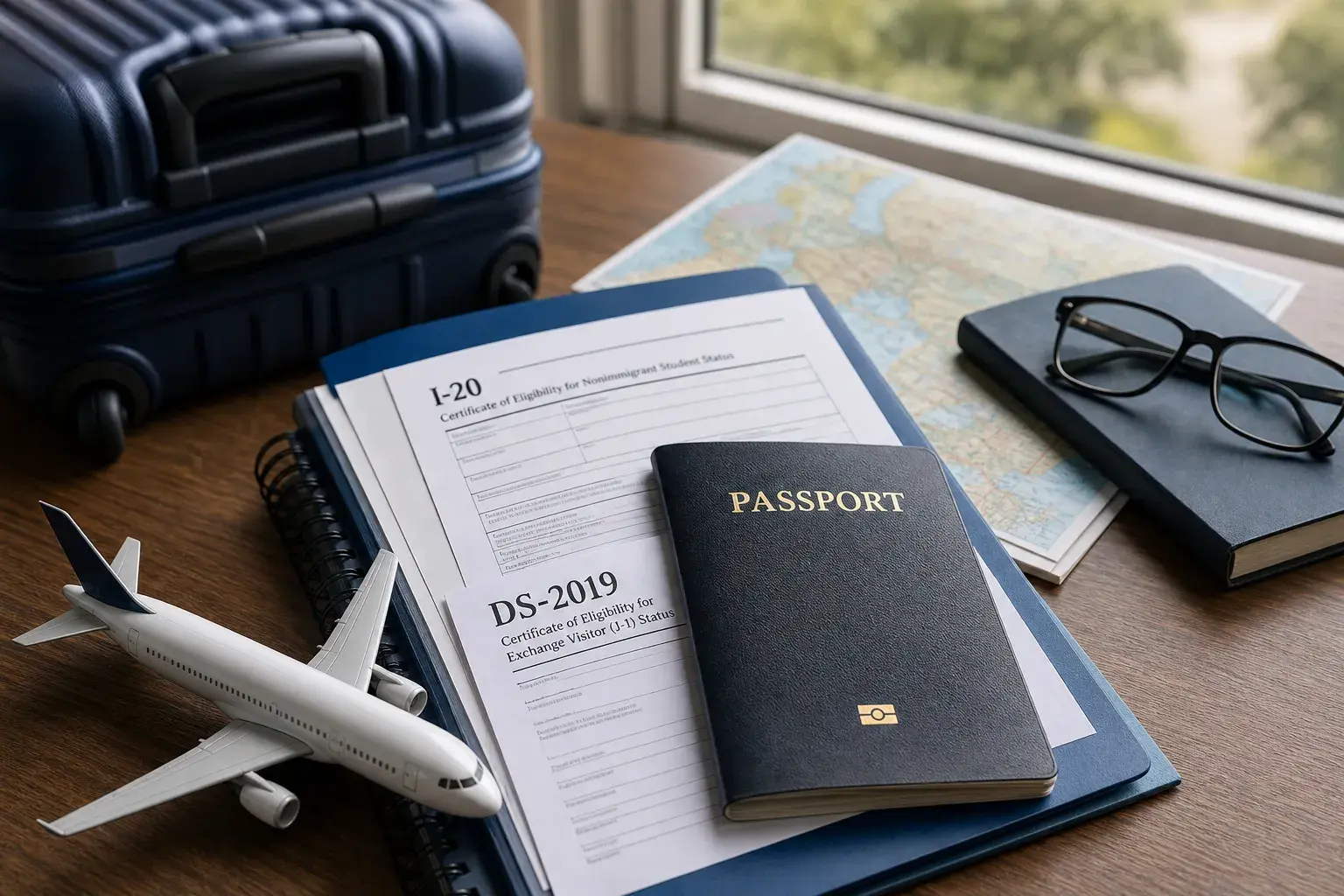
Under the current duration-of-status framework, eligible F-1 and J-1 holders generally remain authorized while they continue their approved studies, training, or exchange activities and comply with immigration requirements. Starting September 15, new admissions will generally be tied to the program end date shown on Form I-20 or Form DS-2019, subject to a maximum of four years.
The authorized end date will appear on the traveler's Form I-94. Students who need additional time may have to request an extension of stay from U.S. Citizenship and Immigration Services or leave the country and seek readmission. For F-1 students covered by the new framework, the departure period after completing a program or authorized practical training will generally fall from 60 days to 30 days.
Why September 15 Matters
Harvard's International Office recommends that F-1 and J-1 students enrolled in on-campus fall programs, along with J-1 scholars, try to be physically present in the United States when the rule takes effect. The university emphasized that the rule does not prevent admitted students from beginning their Harvard programs in fall 2026.
Students maintaining F or J status inside the country on September 15 will generally enter a transition period. They may continue their approved program without immediately filing an extension, although the transition is limited by their immigration documents and the rule's four-year maximum.
Travel after September 15 can move students into the new system. A student who leaves and returns may receive a specific Admit Until Date on Form I-94, even if that student previously entered under duration of status. That date could affect future extensions, degree timelines, Optional Practical Training, and STEM OPT planning.
Steps Students Can Take
International students considering travel should review their passport, visa stamp, Form I-20 or DS-2019, and most recent Form I-94. They should also consult their university's international student office before leaving the United States, particularly if their program may take longer than four years or they expect to pursue post-completion training.
The rule also contains restrictions involving transfers and changes in academic level or field of study. Because individual circumstances vary, students should rely on guidance from their designated school official and monitor federal updates before making immigration or travel decisions.
A coalition of higher-education and labor organizations filed a federal lawsuit on August 18, 2026, seeking to block the rule. The litigation has not changed its scheduled September 15 effective date, though a court order or further federal action could alter implementation.
This article provides general information and is not legal advice. Students with case-specific questions should consult a qualified immigration attorney or their school's authorized international adviser.
Sources
- Establishing a Fixed Time Period of Admission and an Extension of Stay Procedure for Nonimmigrant Academic Students, Exchange Visitors, and Representatives of Foreign Information Media — Federal Register (July 17, 2026)
- 2026 D/S Rule Change — Harvard International Office (August 19, 2026)
- US visa rules to change on September 15: Harvard asks international students to return early — The Indian Express (August 24, 2026)

Share

University Groups Sue to Block Fixed-Term Student Rule

USCIS Sets September 18 Cutoff for New Form I-485
No Comments Yet
Let us know what you think