
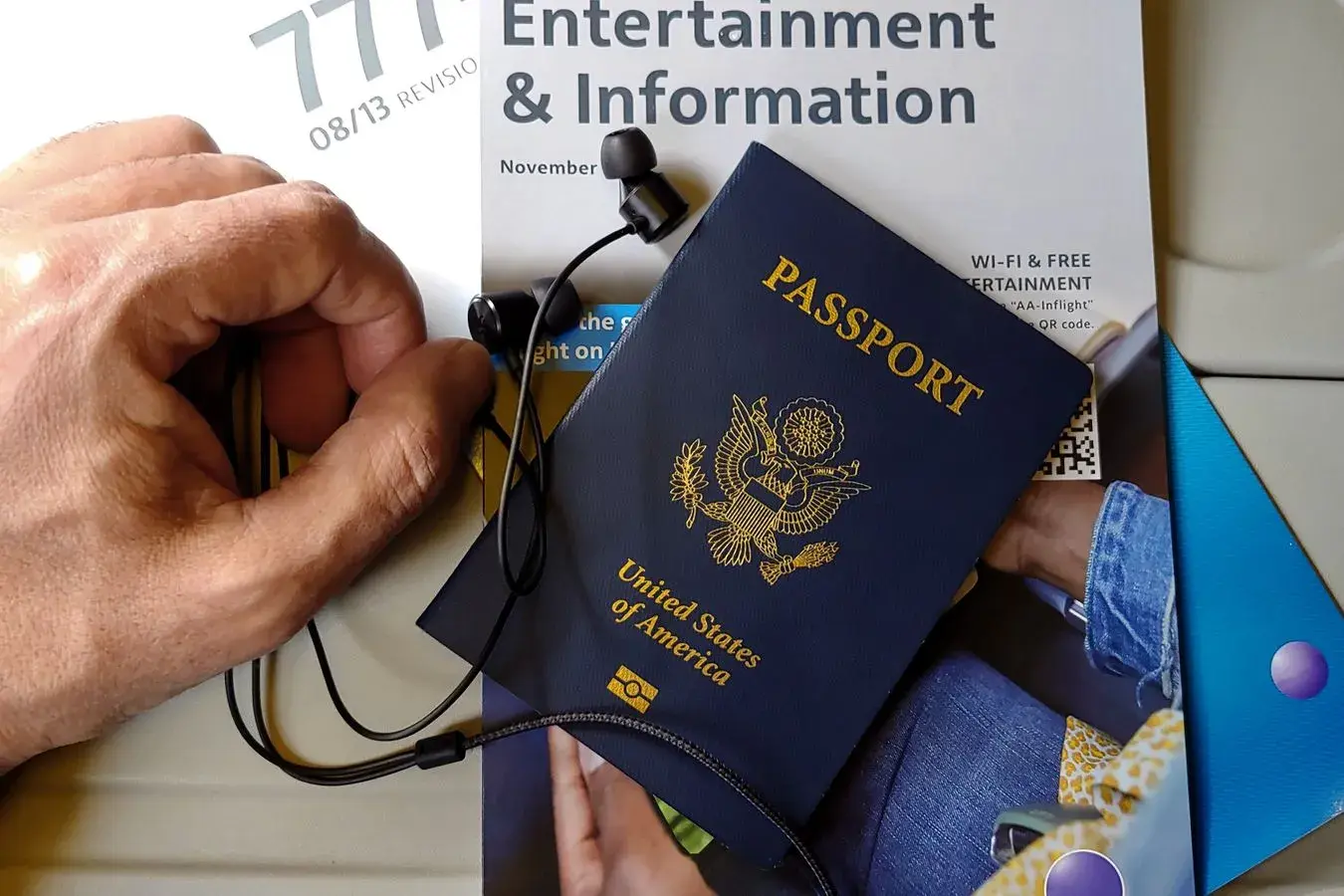
USCIS will require a revised Form I-485 starting September 18, 2026, creating a firm transition date for people applying for permanent residence through adjustment of status. Applications using an older edition and postmarked or electronically submitted on or after that date will be rejected.

A Firm Filing Cutoff
U.S. Citizenship and Immigration Services plans to publish the new Form I-485, Application to Register Permanent Residence or Adjust Status, with an edition date of September 18, 2026. The revision will replace the edition dated January 20, 2025.
There will be no grace period between the two editions. USCIS will continue accepting the January 20, 2025, edition only when it is postmarked or submitted electronically before September 18, 2026. Beginning that day, applicants must use the September 18, 2026, edition.
The agency will also reject the new edition if it is submitted before its effective date. Applicants should therefore match the form edition to the date on which the filing is postmarked or electronically submitted, rather than the date when the application was prepared or signed.
Why the Form Is Changing
The revision supports a Department of Homeland Security final rule governing the public charge ground of inadmissibility. That rule, published in the Federal Register on July 20, 2026, rescinds the 2022 public charge regulations and takes effect on September 18, 2026.
Under the new framework, USCIS officers will have broader discretion to evaluate whether an applicant is likely to become a public charge. The assessment remains individualized and considers the totality of the applicant’s circumstances. DHS has also updated the information collected through Form I-485 to reflect the new framework, including questions relevant to financial circumstances and the receipt of means-tested public benefits.
The public charge ground does not apply to every adjustment category. Certain applicants have statutory exemptions, including many people seeking permanent residence through humanitarian classifications. Eligibility and exemption questions depend on the applicant’s specific immigration category.
What Applicants Should Check
Anyone preparing an adjustment-of-status package should verify the edition date printed at the bottom of every Form I-485 page immediately before filing. Mixing pages from different editions can also result in rejection.
The cutoff may be particularly important for professionals and former international students moving from temporary status toward employment-based or family-based permanent residence. A rejected filing can create delays and may be especially consequential when visa availability, lawful status, employment authorization, or age-based eligibility is time-sensitive.
Applicants should download the form directly from USCIS before filing. Those with questions about the public charge provisions or the timing of a filing may wish to consult a qualified immigration attorney.
This article provides general information and does not constitute legal advice.
Sources
- USCIS to Publish New Edition of Form I-485; Older Editions Will Be Rejected Starting Sept. 18 — USCIS (August 20, 2026)
- Public Charge Ground of Inadmissibility — Federal Register (July 20, 2026)

Share

USCIS Sets Framework for Mandatory Electronic Filing

USCIS Sets Sept. 15 Deadline for New I-539 and I-765 Forms
No Comments Yet
Let us know what you think