
The Trump administration is advancing broader H-1B and L-1 fees, potentially raising the cost of retaining foreign professionals at companies that rely heavily on these visa programs. The proposal would affect employers rather than workers directly, but it could influence sponsorship and staffing decisions.

Which Employers Would Pay
The Department of Homeland Security proposal would expand the existing 9-11 Response and Biometric Entry-Exit Fee to cover H-1B and L-1 extension-of-stay petitions, including extensions in which a worker remains with the same employer.
The surcharge applies only to employers with at least 50 employees in the United States when more than 50 percent of their U.S. workforce holds H-1B, L-1A or L-1B status. For those employers, the additional charges are $4,000 for an H-1B petition and $4,500 for an L-1 petition.
Under current collection practices, the fee generally applies to initial petitions and qualifying change-of-employer filings. The proposed rule would extend it to nearly all extension requests filed by covered employers. Amended petitions that do not request an extension of stay would remain outside the expanded requirement.
From Proposal to Final Stage
The rulemaking did not originate during President Donald Trump’s current term. DHS first published the proposal on June 6, 2024, during the Biden administration, and accepted public comments through July 8, 2024.
The Trump administration has kept the measure active and listed it at the final-rule stage in the 2026 federal regulatory agenda. That agenda identified July 2026 as a target, but regulatory timetables are estimates rather than binding deadlines. As of August 7, 2026, a final version had not appeared in the Federal Register, so the expanded extension fee is not yet in effect.
DHS estimated in its original proposal that expanding the surcharge would generate about $157.3 million in additional annual payments. The money supports federally mandated biometric entry-and-exit systems. Under current law, collection of the fee is scheduled to end on September 30, 2027.
What It Means for Workers
The proposal does not change the basic eligibility requirements for H-1B or L-1 status, nor does it require individual visa holders to pay the surcharge. Petitioning employers are responsible for the fee.
Still, the change could be particularly relevant to Indian professionals working for large technology, consulting and outsourcing companies with visa-heavy U.S. workforces. Employers facing thousands of dollars in added costs for each extension could review sponsorship budgets, assignment lengths and staffing plans more closely.
International students moving from F-1 status into employment should note that the rule is narrowly focused on employers meeting the workforce threshold. Many universities, startups and companies with smaller proportions of H-1B and L-1 employees would not be covered.
This article provides general information and is not legal advice. Employers and visa holders should review any final regulation and seek qualified immigration counsel before making decisions.
Sources
- H-1B, L-1 visa extensions may get costlier under Trump plan: What it means for Indians — The Indian Express (August 6, 2026)
- 9-11 Response & Biometric Entry-Exit Fee for H-1B and L-1 Visas — Office of Information and Regulatory Affairs (accessed August 7, 2026)
- 9-11 Response and Biometric Entry-Exit Fee for H-1B and L-1 Visas — Federal Register (June 6, 2024)

Share
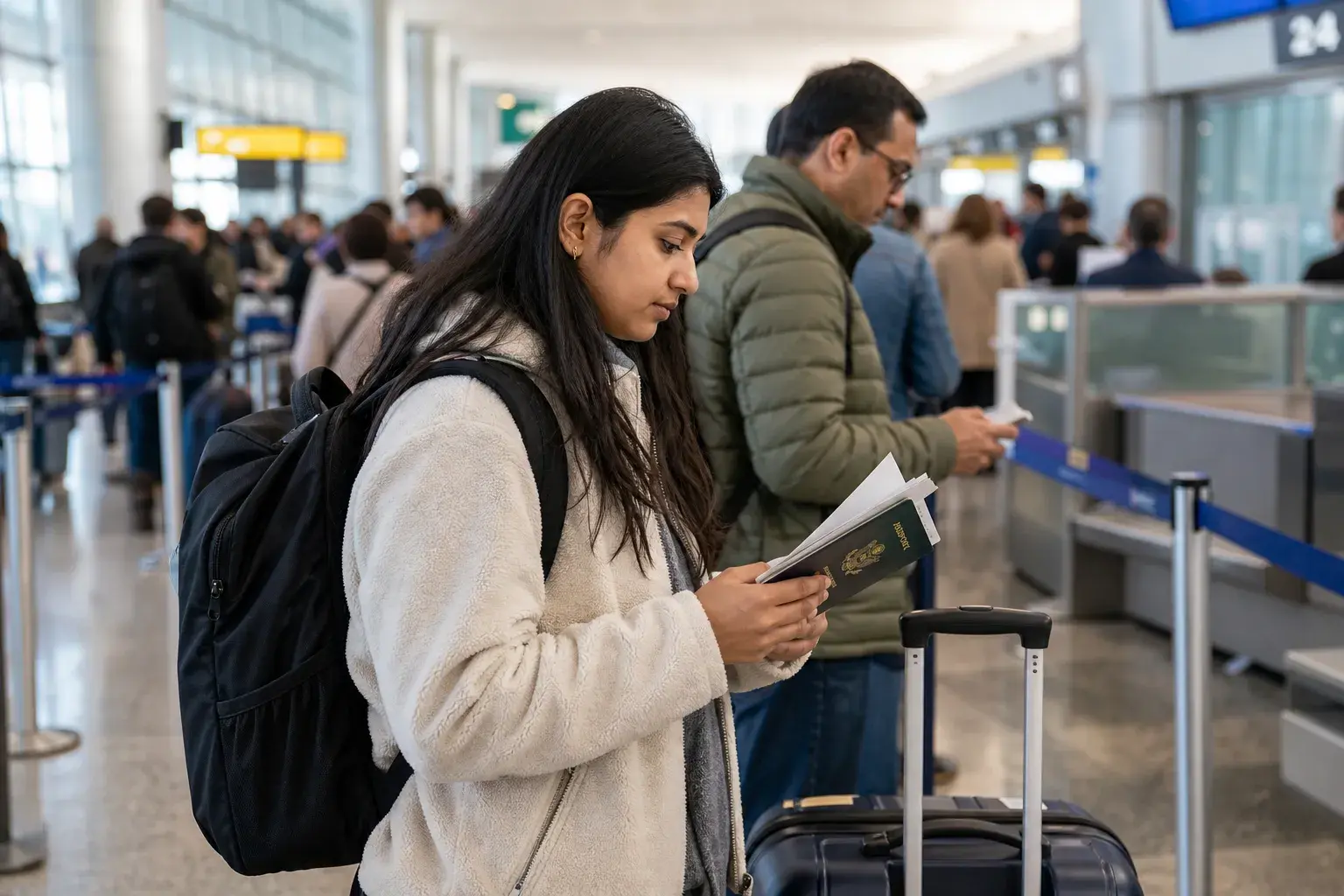
Trump Extends $100,000 H-1B Fee Despite Court Block
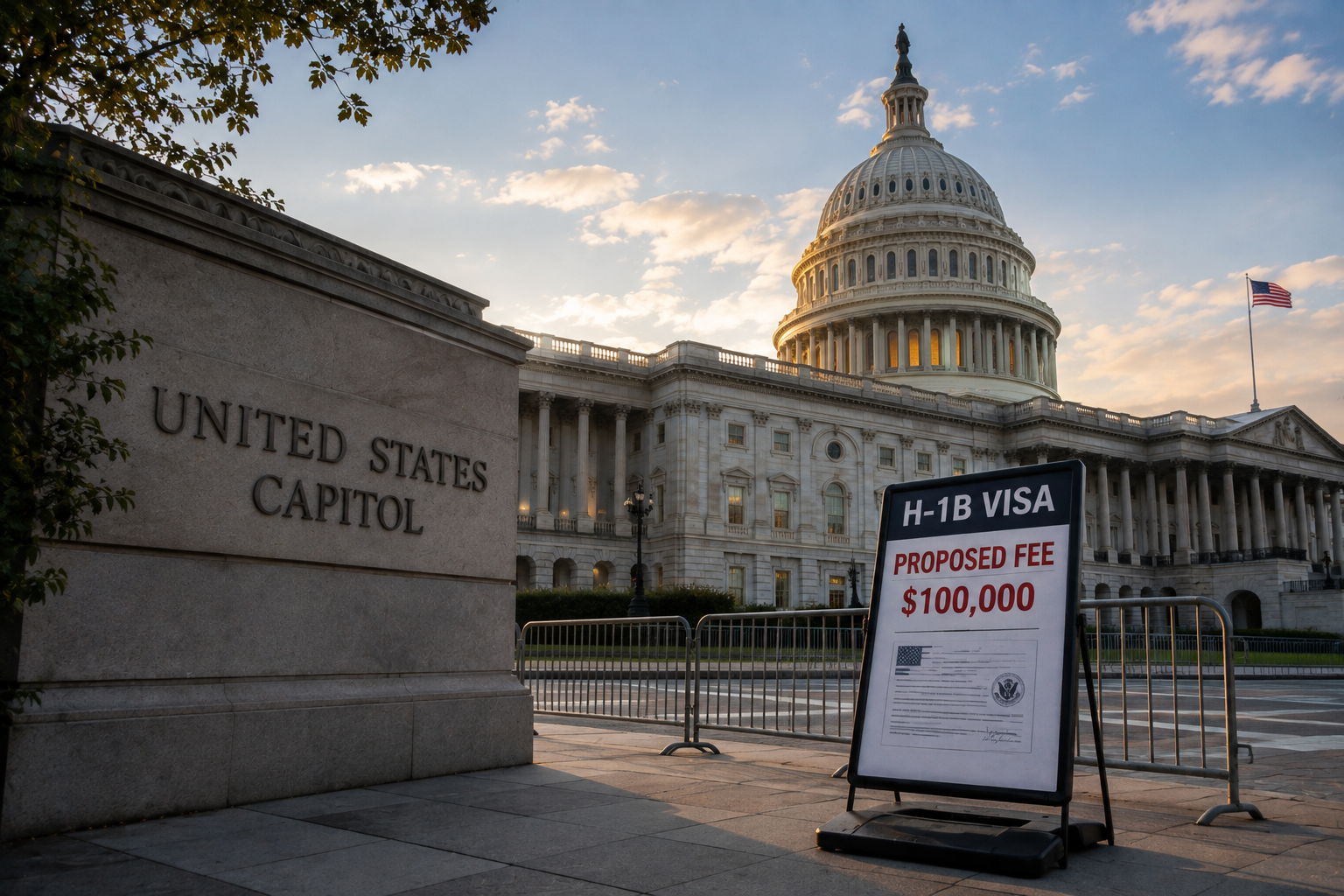
Trump Revives H-1B Fee Plan With $103,265 Proposal

No Comments Yet
Let us know what you think