

Republican lawmakers proposed linking an H-1B exemption to national wages, potentially lifting a decades-old $60,000 threshold above $140,000. The proposal targets additional recruitment and worker-protection rules for employers that rely heavily on H-1B employees, rather than setting a new minimum salary for every visa holder.

What The Bill Changes
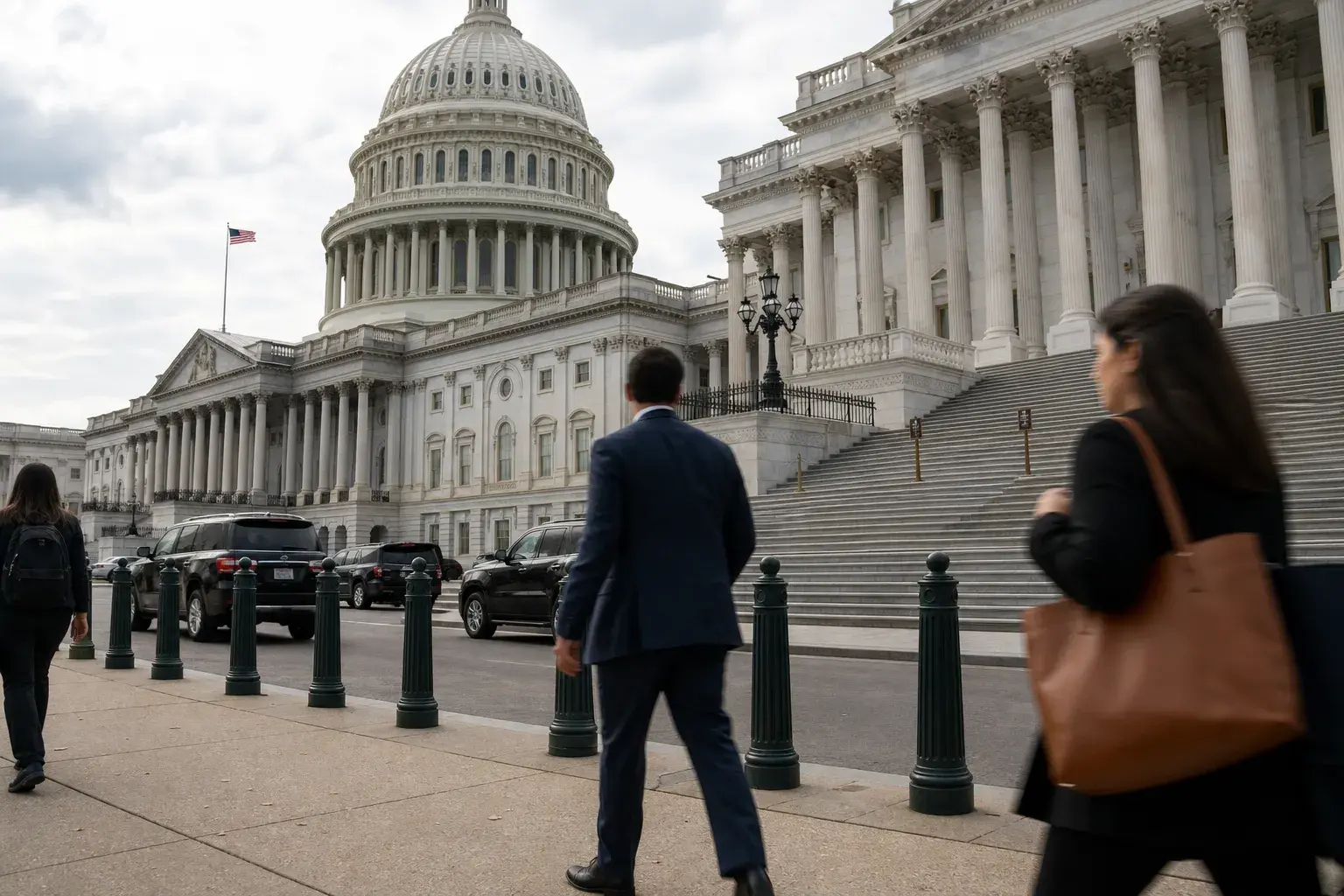
Senator Jon Husted of Ohio introduced the Protecting American Workers Through H-1B Modernization Act, S. 5638, on September 30, 2026. The Senate referred it to the Judiciary Committee. Representative Glenn Grothman of Wisconsin announced companion legislation in the House on October 13, 2026.
The measure would replace the fixed $60,000 figure with an amount equal to twice the Social Security Administration’s national average wage index for the most recently calculated year. Lawmakers described the resulting threshold as nearly $140,000, using an index of roughly $70,000.
The latest available index, for 2025, is $72,800.33. If that figure applied, the threshold would be approximately $145,601. Because the proposed formula is indexed, the amount could rise or fall as the national wage measure changes.
Who Would Be Affected
Current law places extra obligations on H-1B-dependent employers and employers found to be willful violators. Depending on their size and proportion of H-1B workers, these employers may have to recruit U.S. workers and make attestations concerning the hiring and displacement of similarly employed U.S. workers.
An H-1B worker is currently treated as exempt from those additional requirements if the worker earns at least $60,000 annually or holds a master’s or higher degree in a specialty related to the intended job. The legislation changes only the wage-based route. It does not remove the separate advanced-degree exemption.
The bill would not create a universal H-1B minimum salary. Employers would still have to follow the broader H-1B wage rule, which generally requires payment of at least the applicable prevailing wage or the employer’s actual wage for similarly qualified workers, whichever is higher.
What It Means For Workers
For international professionals, the immediate impact is limited because the measure remains a proposal. Current law remains unchanged, and the $60,000 exemption continues to apply unless Congress passes legislation and it becomes law.
If enacted, the measure could make it harder for H-1B-dependent employers to avoid the additional recruitment and non-displacement requirements through salary alone. It would not automatically raise every H-1B employee’s pay, cancel existing visas, or change the annual H-1B numerical cap.
Students and professionals considering H-1B sponsorship should distinguish this exemption threshold from the salary listed in an individual job offer. The two serve different legal purposes, and employers remain responsible for determining the wage and compliance requirements applicable to each position.
This article provides general information and does not constitute legal or immigration advice.
Sources
- S. 5638 — Protecting American Workers Through H-1B Modernization Act — GovInfo (September 30, 2026)
- Grothman: American Workers Should Come First in Their Own Country — Office of Representative Glenn Grothman (October 13, 2026)
- Fact Sheet #62Q: What are “exempt” H-1B nonimmigrants? — U.S. Department of Labor (accessed October 19, 2026)
- National Average Wage Index — Social Security Administration (accessed October 19, 2026)
- 'American workers should come first in their own country': Republicans bring new bill to make H-1B visa salary threshold $140,000 — The Times of India (October 16, 2026)

Share
House Bill Targets H-1B Abuse With $250,000 Fines
Trump's $100,000 H-1B Fee Puts Tata, Infosys in Crosshairs
No Comments Yet
Let us know what you think