

USCIS is expanding its use of artificial intelligence and machine learning across identity management, record processing, screening, and other operations. For international students and professionals, the development highlights the importance of keeping immigration, education, and employment records accurate and consistent.
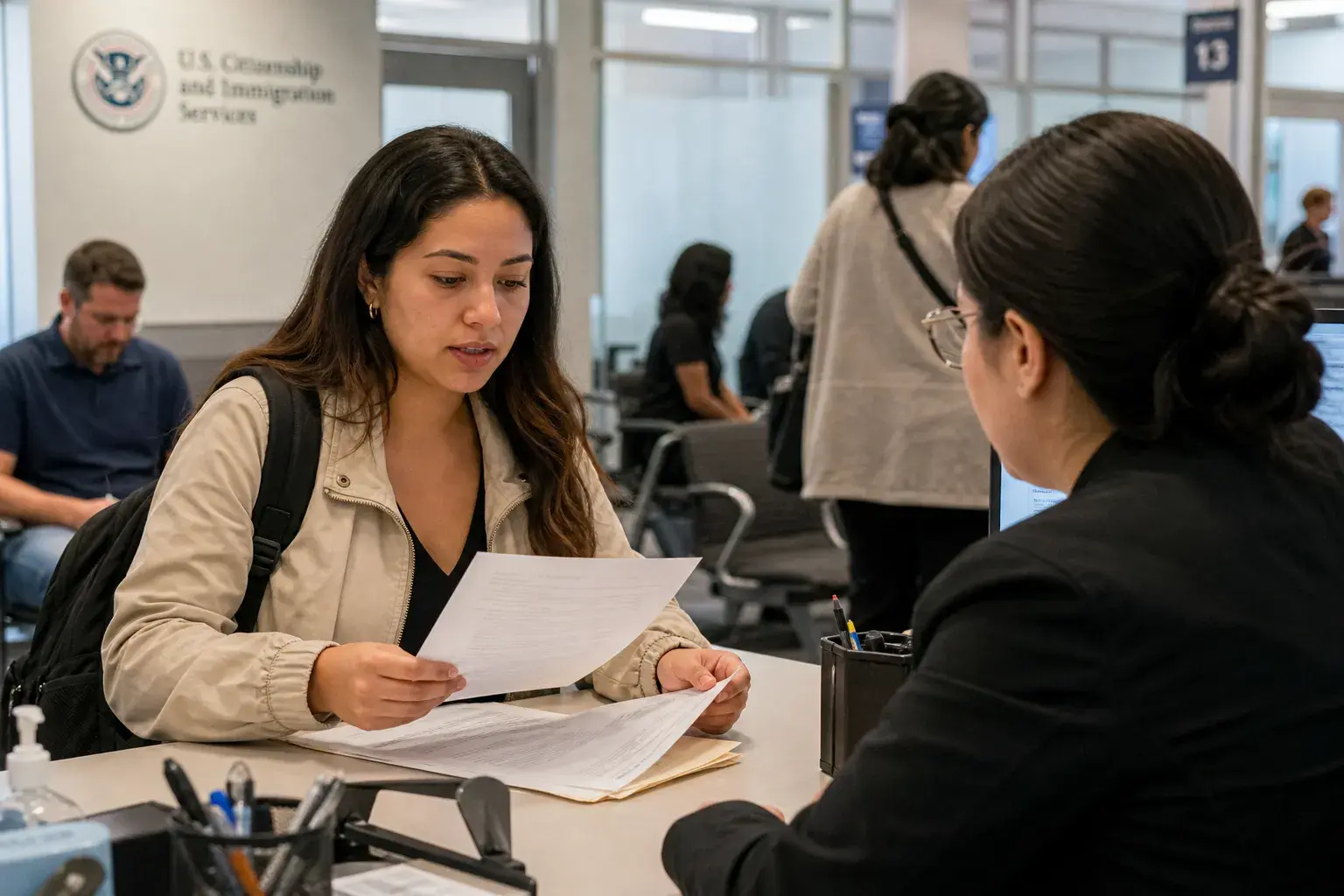
How USCIS Uses Automation
Department of Homeland Security records show that U.S. Citizenship and Immigration Services has been developing technology that connects information held across immigration systems. Its Person Centric Identity Services initiative uses algorithms and other tools to aggregate biographic and biometric information into a more complete identity history.
USCIS planning documents published on July 29, 2026, also describe a future technology requirement covering applicant screening, fraud detection, risk scoring, investigative workflows, and AI-enabled anomaly detection and decision support. Because that document concerns acquisition planning, it does not establish that every listed capability is already operating across all immigration cases.
The agency has separately used artificial intelligence for internal purposes, including officer training and cybersecurity support. A January 30, 2025, DHS inspector general report said USCIS had created an AI Governance Board and was developing procedures to review and monitor agency AI uses.
What Remains Unconfirmed
The available government documents do not establish that USCIS automatically compares every paycheck, tax form, Labor Condition Application, visa application, and immigration petition. They also do not identify a system that autonomously makes final decisions on applications or petitions.
Instead, official descriptions generally present these technologies as tools for organizing records, linking identities, detecting patterns, supporting investigations, or helping officers make decisions. In other words, public records do not show AI independently denying cases.
Why Record Consistency Matters
Even without a fully automated comparison system, connected databases can make differences between filings easier for officers to identify. Potential issues may include conflicting employment dates, job titles, salaries, residential addresses, school information, or answers provided in earlier visa applications.
A discrepancy does not necessarily mean fraud or make someone ineligible for an immigration benefit. People change jobs, receive promotions, move, and sometimes correct innocent errors. However, unexplained differences may lead USCIS to seek additional evidence when the existing record does not establish eligibility.
Students, employees, and sponsoring employers should therefore review old filings before submitting a new case. Relevant materials may include Forms I-20, DS-160 applications, prior petitions, employment letters, payroll records, tax documents, and immigration notices. If information has changed or an earlier answer was incorrect, the new filing should accurately explain the circumstances and include supporting documentation when appropriate.
This article provides general information and does not constitute legal advice. Anyone concerned about a material error or conflicting immigration record should consult a qualified immigration attorney.
Sources
- USCIS Is Using Artificial Intelligence: Even Small Immigration Discrepancies Could Create Big Problems — Reddy Neumann Brown PC (October 16, 2026)
- Enterprise Gateway and Integration Services III — Department of Homeland Security Acquisition Planning Forecast System (July 29, 2026)
- Privacy Impact Assessment Update for the Records and Information Lifecycle System — Department of Homeland Security (May 3, 2024)
- DHS Has Taken Steps to Develop and Govern Artificial Intelligence, But More Action Is Needed to Ensure Appropriate Use — DHS Office of Inspector General (January 30, 2025)

No Comments Yet
Let us know what you think