

A second federal judge has blocked Trump's $100,000 H-1B fee, giving employers and prospective foreign workers another court victory as the broader legal fight over the policy continues.

Why the Fee Was Blocked
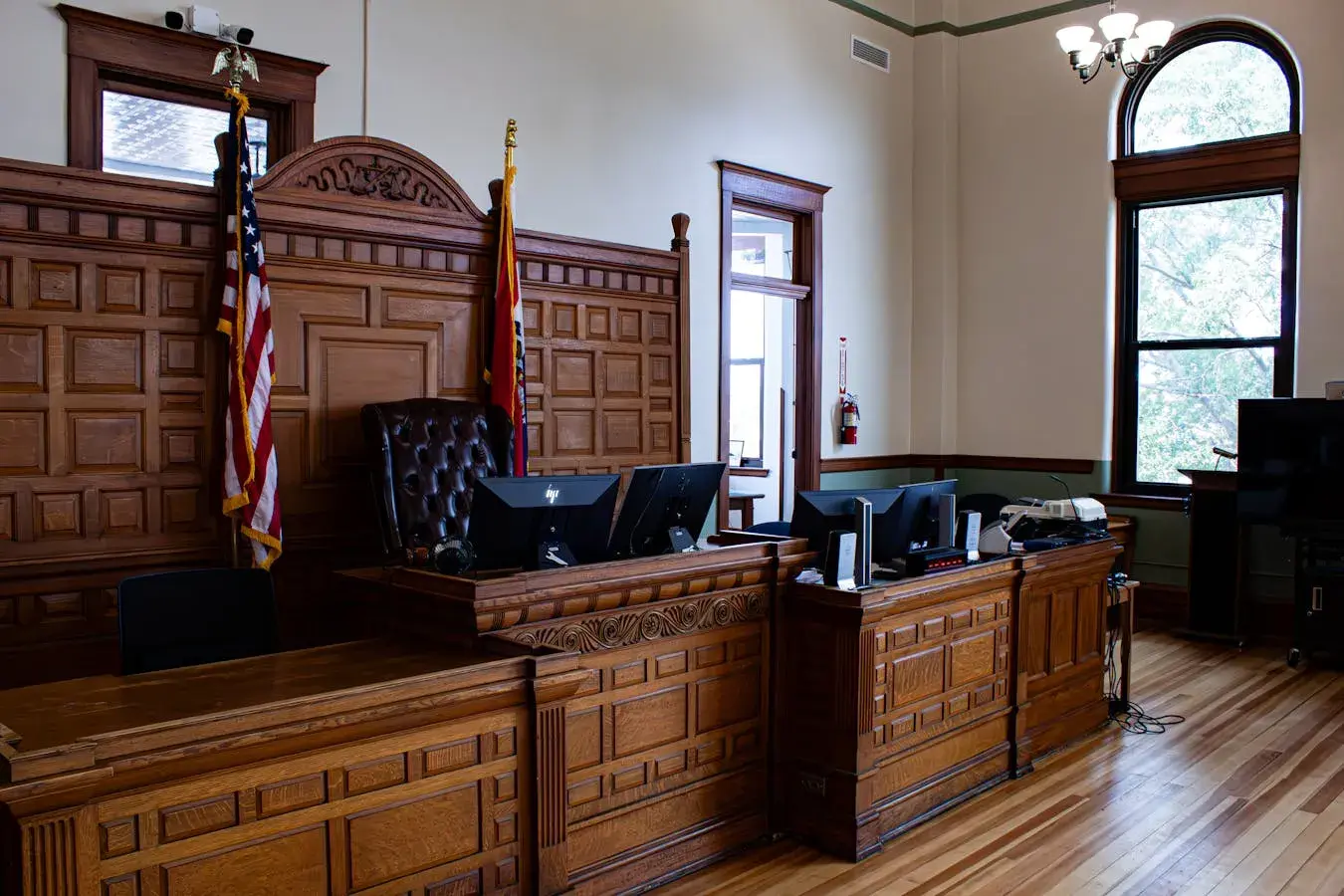
U.S. District Judge Haywood Gilliam Jr. in Oakland, California, ruled on September 30, 2026, that federal agencies had not followed required procedures when implementing the payment requirement. The lawsuit was filed by a coalition that includes employers, health care providers, schools, labor unions and religious organizations.
Gilliam granted the plaintiffs' request for preliminary relief in part. The agency implementation policies are now vacated, and federal officials are barred from enforcing them until they complete notice-and-comment rulemaking under the Administrative Procedure Act and the required regulatory flexibility review.
The court also denied the federal government's request to dismiss the case, allowing the litigation to continue. Gilliam declined to certify a proposed class, finding that class treatment was not necessary to provide the requested preliminary relief.
A Second Legal Barrier
The ruling follows a June 8, 2026, decision by a federal judge in Massachusetts, who concluded in a separate lawsuit brought by 20 states that the payment operated as an unauthorized tax. The U.S. Court of Appeals for the First Circuit later declined to suspend that decision while the government appealed.
Another federal judge in Washington had previously upheld the policy in a case brought by the U.S. Chamber of Commerce and the Association of American Universities. That ruling is also on appeal, leaving different courts to consider the president's authority and the legality of the agencies' implementation process.
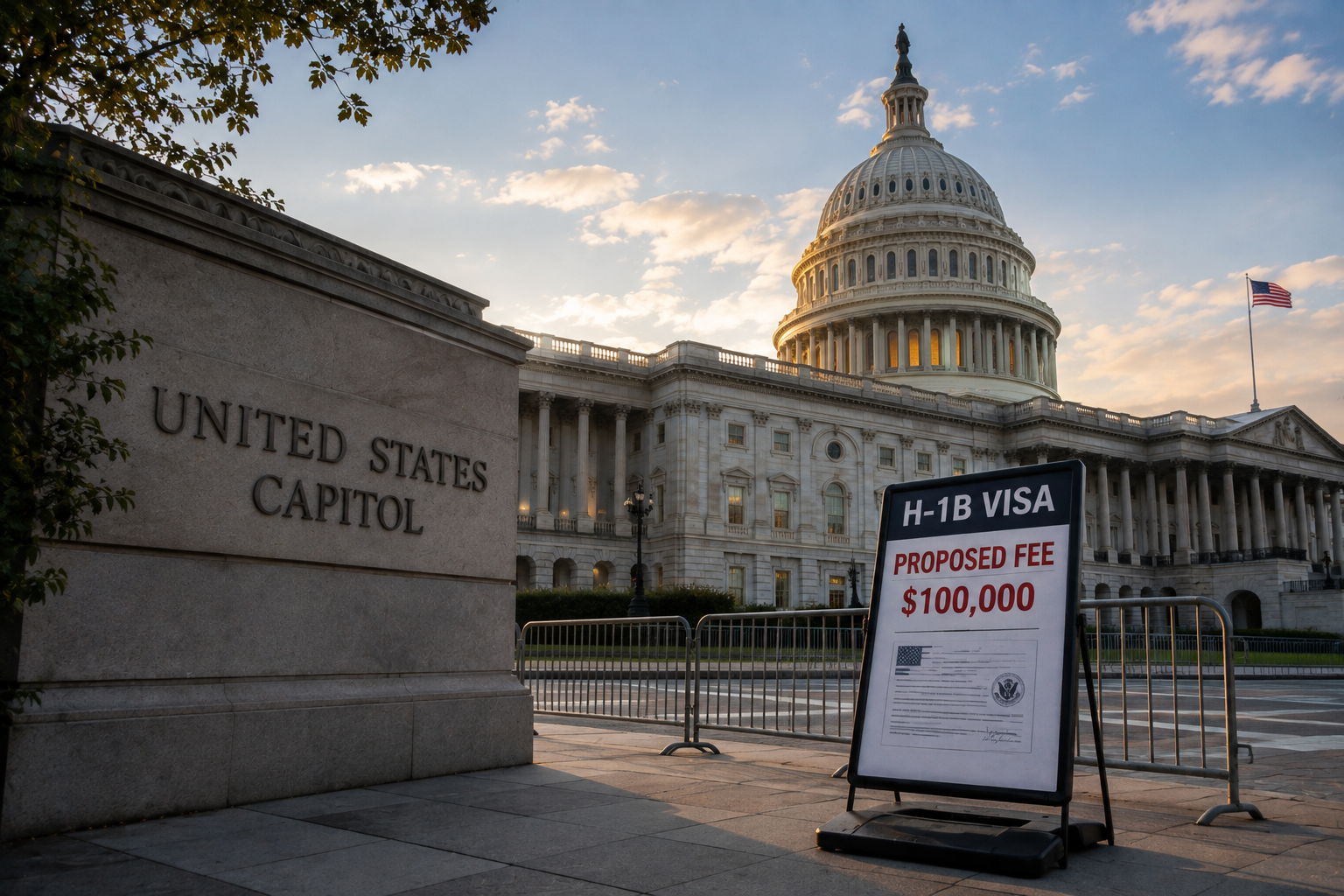
President Trump originally imposed the payment through a proclamation issued on September 19, 2025. He extended the restriction for another year on September 18, 2026. The underlying proclamations were not struck down, but the agencies currently cannot use the challenged policies to enforce the payment.
What It Means for Applicants
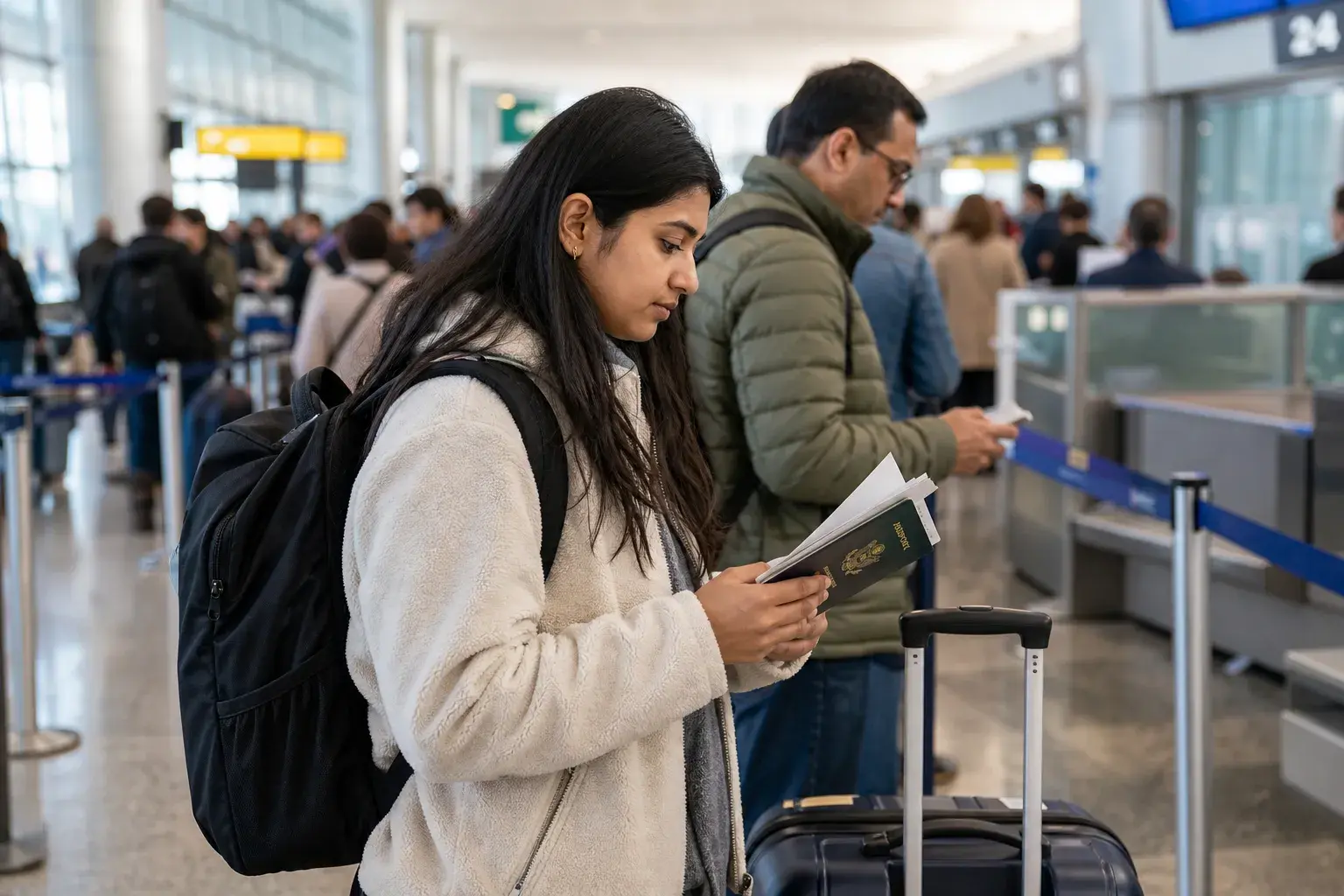
The payment requirement targeted certain new H-1B petitions involving workers outside the United States. Its suspension is particularly relevant to employers recruiting professionals through consular processing, including hospitals, universities, schools and technology companies.
For international students and professionals, the ruling removes a major immediate cost barrier from affected petitions. However, it does not guarantee approval of any H-1B petition or resolve the policy permanently. Employers and applicants should continue checking current USCIS filing instructions because appeals or new agency action could change the requirements.
The administration is separately pursuing a proposed DHS rule that would establish a $103,265 fee for cap-subject H-1B petitions. That proposal went through a public comment process and raises legal questions distinct from those addressed in the current lawsuits.
This article provides general information and is not legal advice. Applicants should consult qualified immigration counsel about individual circumstances.
Sources
- Second judge blocks Trump's $100,000 fee for new H-1B worker visas — Reuters (September 30, 2026)
- Order Granting in Part and Denying in Part Plaintiffs' Motion for a Preliminary Injunction — U.S. District Court for the Northern District of California (September 30, 2026)
- Restriction on Entry of Certain Nonimmigrant Workers — Federal Register (September 23, 2026)
- Fee for Certain H-1B Petitions — Department of Homeland Security (August 25, 2026)

Share
Judge Strikes Down Trump’s $100,000 H-1B Visa Fee
Trump Extends $100,000 H-1B Fee Despite Court Block
No Comments Yet
Let us know what you think