

F-1 students may change status before completing their degree, but timing is critical. Students generally must continue meeting F-1 requirements until the new immigration status becomes effective, even if an application or petition is already pending.

Status Depends on Enrollment
Federal rules connect F-1 status to pursuing a full course of study, attending classes and making normal progress toward an educational objective. They do not create a separate obligation to earn the degree after a student lawfully moves into another immigration classification.
For example, a student may become eligible for dependent status through a spouse or obtain an employment-based status before graduation. Once the new status takes effect, the person’s right to remain in the United States is based on that classification rather than F-1 enrollment. Whether the person may continue studying, and on what schedule, then depends on the new status and the school’s academic policies.
A Filing Is Not Approval
Filing a change-of-status request does not create the new status. USCIS guidance says applicants may engage in activities permitted by the requested classification only after the agency approves the change of status.
An F-1 student who receives a Form I-539 receipt notice, for example, should not assume that the notice permits an immediate withdrawal from school. Stopping attendance while the application remains pending may cause the student to violate the conditions of F-1 status before the requested classification begins.
Students should review the approval notice carefully, including its effective date. Those moving toward H-1B status should also confirm whether an approved petition actually granted a change of status inside the United States or requires consular processing before H-1B status begins.
Withdrawal and Grace Periods
Students who want to leave a program should contact their designated school official before withdrawing. The DSO can explain how the departure will affect the student’s SEVIS record and whether an authorized early withdrawal is appropriate.
The standard 60-day grace period does not automatically cover early withdrawal. That period generally follows completion of a program or authorized practical training. Under the F-1 regulations, a student granted an authorized early withdrawal generally has up to 15 days to leave the United States. Simply stopping attendance without DSO authorization may result in a status violation.
Steps Before Leaving School
Before withdrawing, students should identify their current immigration status, confirm the effective date of any new status and speak with their DSO about the SEVIS update. A USCIS receipt, online approval message or approved petition may not provide the complete answer without reviewing the formal notice and any attached Form I-94.
This article provides general information and is not legal advice. Immigration consequences depend on each person’s status history, approval notice, travel and other circumstances.
Sources
- Do F-1 Students Have to Finish Their Degree? Changing Status Before Graduation — Reddy Neumann Brown PC (September 23, 2026)
- I am a nonimmigrant: How do I change to another nonimmigrant status? — U.S. Citizenship and Immigration Services (January 2016)
- International Student Life Cycle for F-1 and M-1 Students — Department of Homeland Security, Study in the States (accessed October 2, 2026)

Share
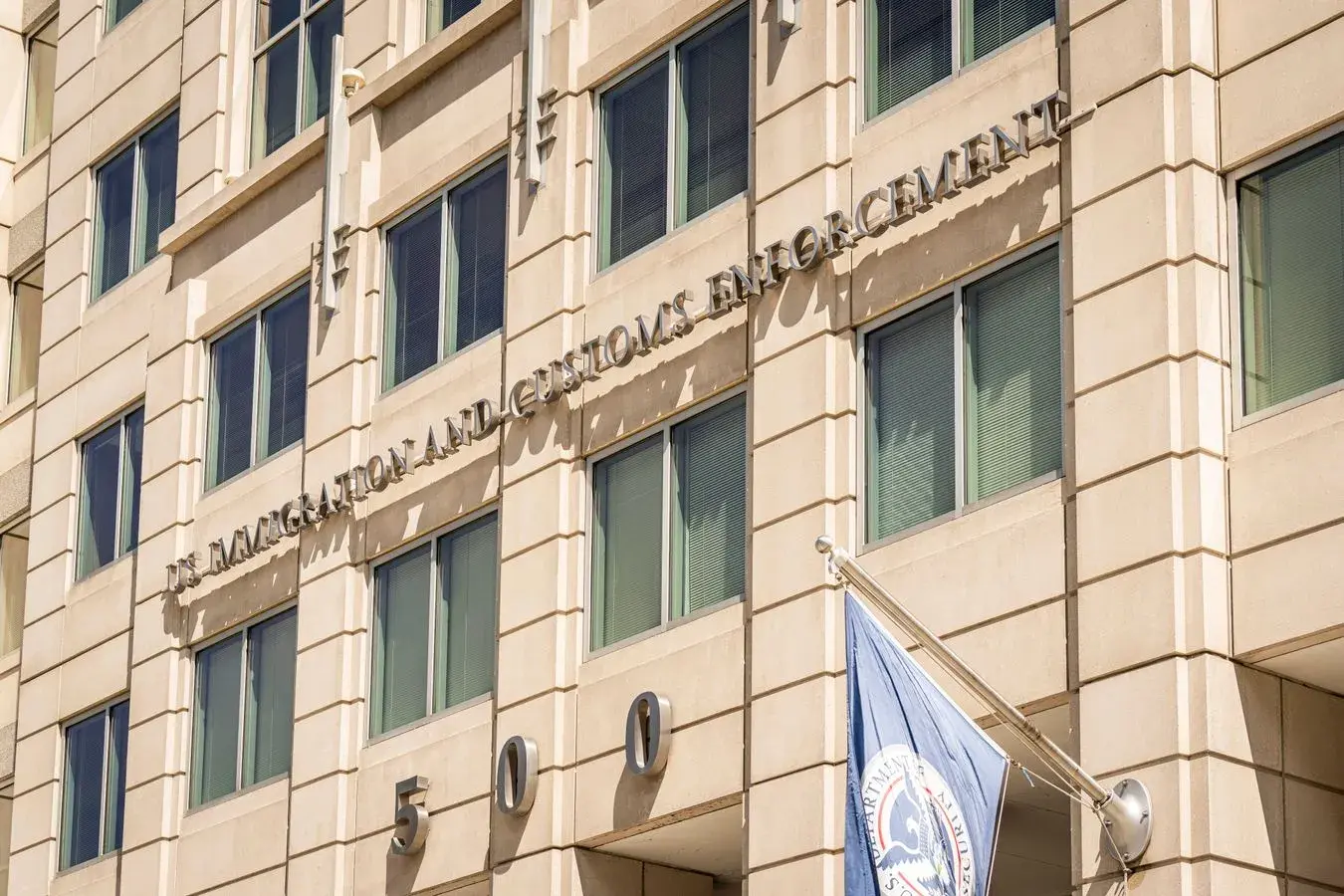
New DHS Rule Fuels Jitters Before Bloomberg Student-Visas Q&A
H-1B Cap 2025: Essential Q&A Guide for F-1 Students
No Comments Yet
Let us know what you think