

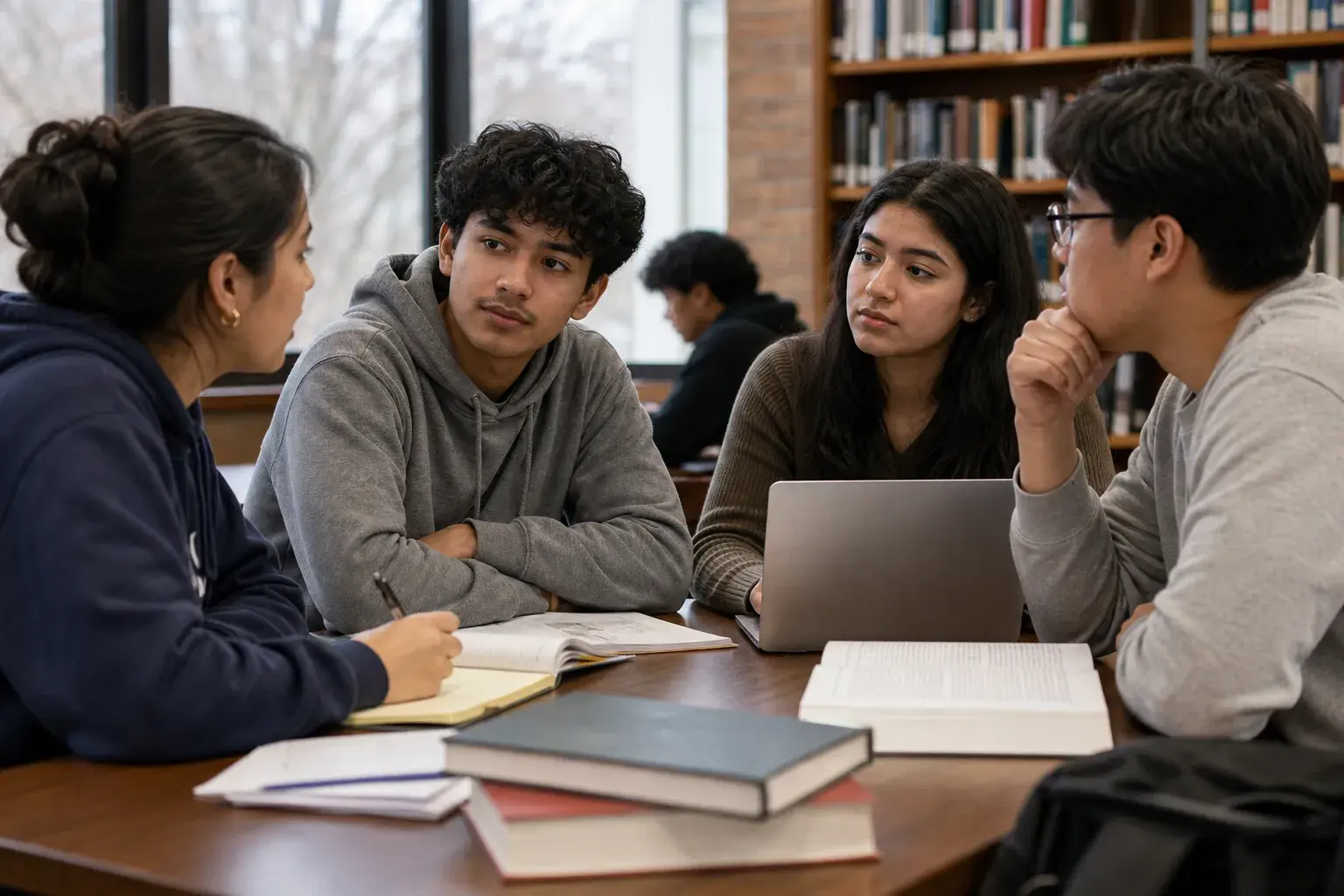
The Trump administration sued New York, Connecticut, and Vermont over policies allowing eligible undocumented students to receive in-state tuition and state financial assistance. The cases could affect how some immigrant students finance public higher education, although no immediate change has been ordered.
Three New Legal Challenges
The Justice Department filed separate complaints against the three states on August 10, 2026. The department is asking federal courts to block laws, regulations and policies that extend reduced tuition rates, scholarships or other state aid to students who are not lawfully present in the United States.
Federal officials argue that the policies conflict with a 1996 federal law governing postsecondary education benefits. That statute generally says a state cannot provide such a benefit to a person without lawful immigration status based on state residence unless U.S. citizens can receive the same benefit regardless of where they live.
The states’ policies are structured around their own eligibility rules, which may include education, residency and application requirements. The lawsuits will test whether those frameworks comply with federal law or are preempted by it.
A Wider Tuition Campaign
The new complaints are part of a nationwide Justice Department campaign challenging state tuition programs for undocumented students. The department said the cases brought its total number of such lawsuits to 17 and completed its challenges against states within the U.S. Court of Appeals for the Second Circuit that maintain these policies.
Outcomes elsewhere have varied. The Justice Department says courts have issued favorable orders affecting programs in Texas, Kentucky, Oklahoma, Nebraska and Illinois. In a separate case, however, a federal judge dismissed the government’s challenge to Minnesota’s program in March 2026, finding that the Justice Department had not established unlawful discrimination against U.S. citizens.
The legal question remains contested, particularly when eligibility is connected to attending or graduating from an in-state high school rather than residency alone.
What Students Should Know
The lawsuits do not immediately change current tuition rules in New York, Connecticut or Vermont. Courts must first consider the government’s arguments, the states’ responses and any requests for preliminary or permanent injunctions.
Students should continue following guidance from their college and the relevant state financial aid agency. Undocumented students are generally ineligible for federal student aid, making state tuition classifications, grants and scholarships especially important when comparing education costs.
This article provides general information and is not legal advice. Students should consult their institution or a qualified immigration attorney about individual circumstances.
Sources
- The Department of Justice Files Complaints Against New York, Connecticut, and Vermont Challenging State Laws that Provide In-State Tuition to Illegal Aliens — U.S. Department of Justice (August 10, 2026)
- Trump Sues New York and Other States Over In-State Tuition for Migrants — The New York Times (August 11, 2026)
- A judge dismisses DOJ lawsuit over Minnesota in-state tuition for students without legal status — Associated Press (March 28, 2026)

Share
States Sue to Block Trump’s New Public Charge Rule
Senators Press State Department Over Student Visa Delays
No Comments Yet
Let us know what you think