

Columbia student Ellie Aghayeva was freed hours after New York City Mayor Zohran Mamdani raised her detention with President Donald Trump, capping a day that began with a contested immigration arrest inside university housing on February 26, 2026.
What Happened?
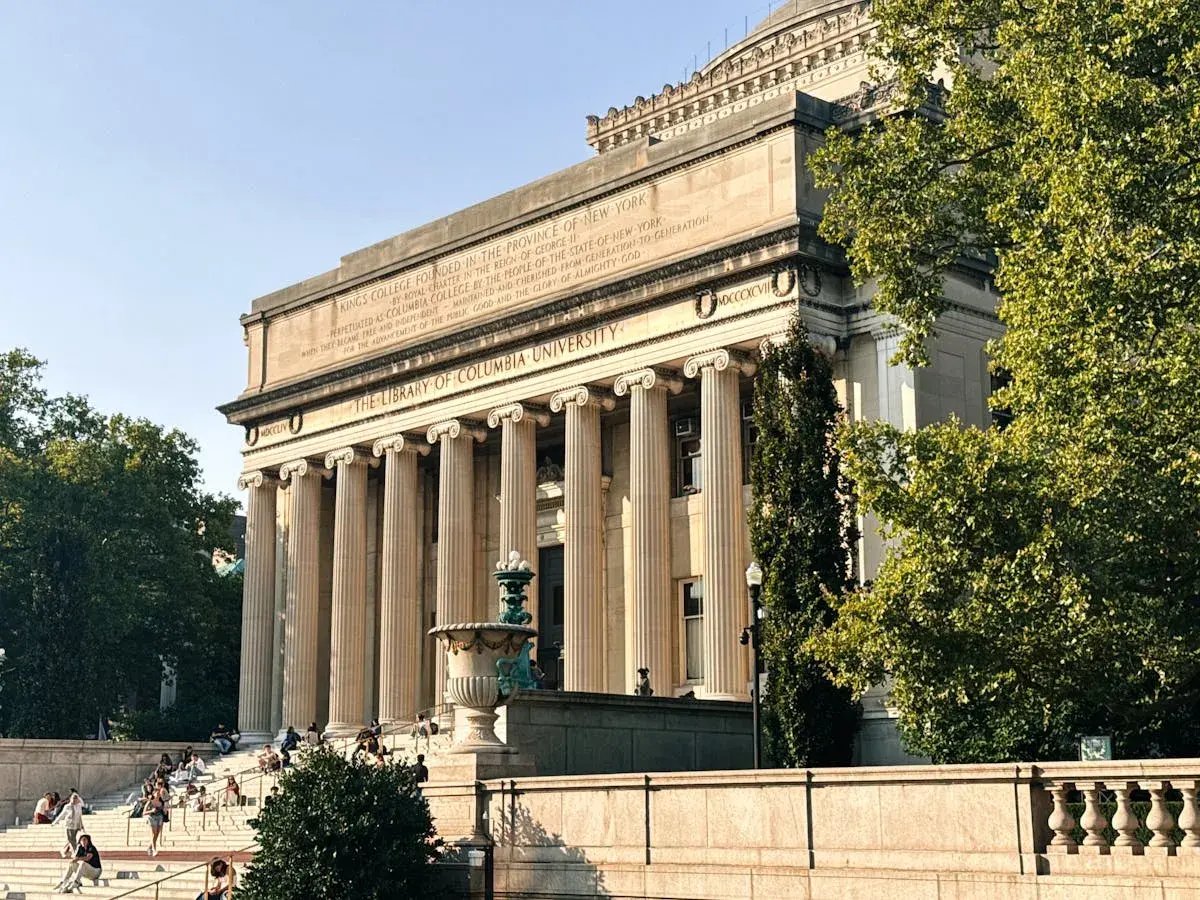
Early Thursday, federal officers entered a Columbia residential building around 6:30 a.m. and detained Aghayeva, according to a campus message from acting president Claire Shipman. The university said officers gained access after misrepresenting their purpose, prompting fresh warnings that only a judicial warrant allows entry to non-public campus areas. Agents cited a ‘missing person’ to gain entry, Columbia says. The Department of Homeland Security disputed that account, saying officers identified themselves, wore badges, and did not pose as New York police.
DHS also confirmed the detainee as Elmina (Ellie) Aghayeva, a neuroscience and political science student originally from Azerbaijan, and said her prior student visa had been terminated in 2016 for failure to attend classes. DHS says her visa ended in 2016. The NYPD said it had no role in the operation.
Inside The White House Meeting
As outrage mounted on campus, Mamdani met Trump at the White House for a previously unannounced session primarily about federal housing investment in New York City. During that meeting, the mayor raised Aghayeva’s case; afterward, Trump phoned Mamdani and said she would be released, according to the mayor and an Associated Press account of the meeting. Trump told Mamdani she would be released. Later that afternoon, Aghayeva posted on social media that she was out and safe, and Columbia said it was “relieved and thrilled” she had been released.
Why It Matters
The episode underscores intensifying collisions between campus policies and federal immigration tactics. Columbia reiterated that administrative warrants are insufficient for entry into dorms and other secured spaces, guidance it circulated after prior high-profile detentions of students. Civil liberties advocates argue that ruses to enter private spaces chill speech and erode trust; DHS counters that its agents followed the law and were properly identified.
Beyond the immediate relief for Aghayeva, the case feeds a broader legal and political fight over immigration enforcement in academic settings. Courts have already pushed back in related matters; last year, a federal judge ordered the release of another Columbia student from immigration custody, citing constitutional concerns about retaliatory detention. Expect renewed scrutiny of how, when, and under what authority federal officers access campus housing.
What’s Next?
Columbia says it is reviewing Thursday’s events and reinforcing protocols for any law-enforcement requests at non-public campus locations. City and state officials have demanded clarity on what occurred inside the residence hall. Aghayeva’s longer-term immigration status remains unclear; DHS said she has no pending appeals. Additional legal filings or policy proposals on “sensitive locations” enforcement could follow in the coming days.
Sources
- ICE Officers Arrest Student Inside Columbia University Housing — Washington Post (February 26, 2026)
- Mamdani Pitches Trump on Housing With Mock Newspaper in Latest White House Visit — Associated Press (February 26, 2026)
- Columbia Student Released After Being Detained by DHS Agents — CBS New York (February 26, 2026)
- Columbia Says Federal Agents Lied About Motives to Detain Student — Forbes (February 26, 2026)


Share
USCIS sets H-1B registration for March 4–19, 2026

Trump Caps Migrant Work Permits at 18 Months
No Comments Yet
Let us know what you think