

Global tech giants are pouring billions into India’s AI infrastructure, lured by a vast user base and fresh policy sweeteners that aim to make the country a global hub for cloud and compute. On February 1, 2026, New Delhi unveiled a 20-year tax holiday on overseas revenue from data services provided out of India—an incentive designed to anchor more AI workloads on Indian soil and export those services worldwide.
What’s Driving The Rush?
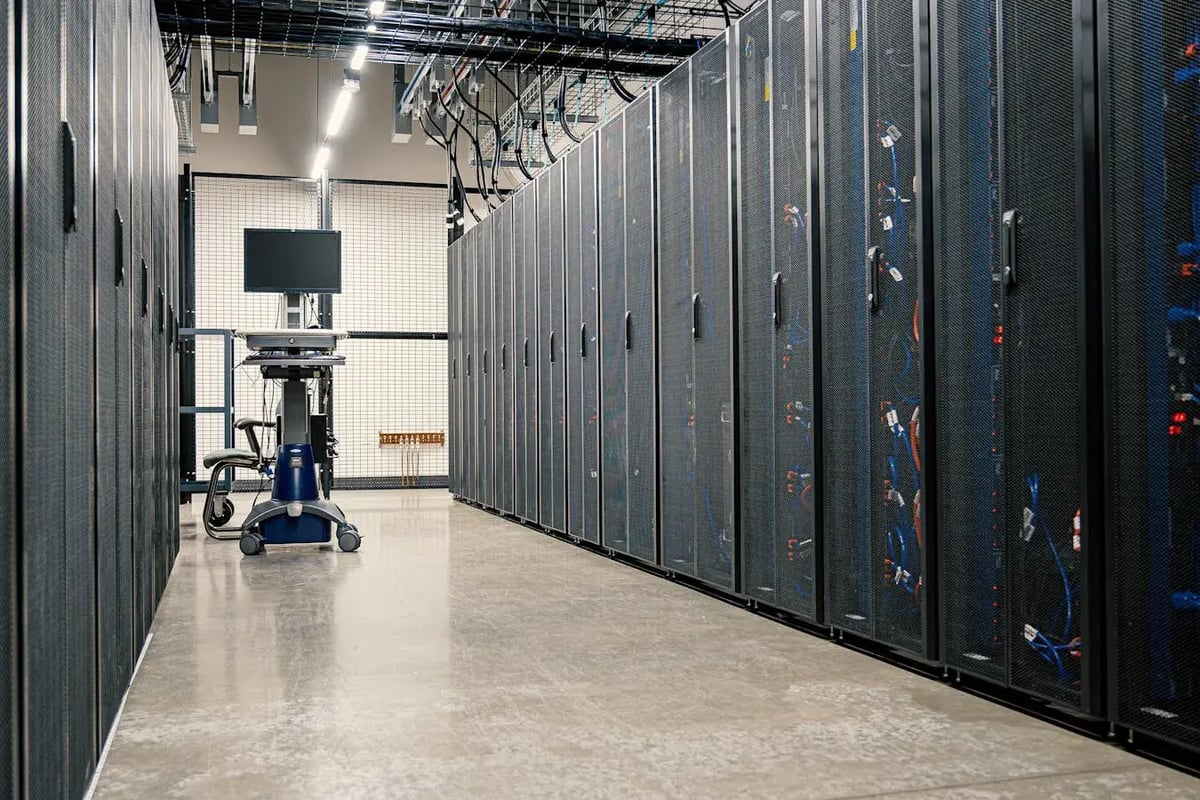
Two forces are converging: demand and policy. India’s 1.4 billion people are among the world’s heaviest mobile-data users, and enterprises are racing to add AI into everything from logistics to customer support. At the same time, the government’s long-horizon tax break—running through 2047—signals that data centers and cloud services are now strategic infrastructure, not just back-end plumbing. That combination is drawing hyperscalers to build compute close to customers while serving global markets from India.
Who’s Spending What?
The investment wave accelerated late last year. On October 14, 2025, Google said it would invest $15 billion over five years to build an AI hub in Visakhapatnam, pairing gigawatt-scale data centers with new subsea connectivity. Google’s $15 billion Visakhapatnam AI hub underscores India’s role in the company’s global network. Less than two months later, on December 9, 2025, Microsoft announced Microsoft’s $17.5 billion India plan to expand cloud and AI infrastructure and bring a new hyperscale region online by mid‑2026. The next day, December 10, 2025, Amazon pledged more than $35 billion in India by 2030 across its businesses, building on AWS’s earlier commitment to invest $12.7 billion in local cloud infrastructure by 2030. Together, these moves position India as one of the fastest-growing centers of AI compute outside the United States.
Benefits And Trade-Offs
For India, the upside is clear: capital inflows, cutting-edge infrastructure, and a chance to export AI services at scale. The model aligns with the government’s stated goal to apply AI practically—solving real-world problems—rather than spending to build foundational models from scratch. But there are caveats. Data centers are resource-intensive and, compared with factories, create relatively few direct jobs. Communities and planners are weighing power and water demands against economic gains, a tension India will need to manage as capacity expands.
What to Watch Next?
Execution will matter. Power availability, renewable build‑outs, permitting, and the fine print of the new tax regime will shape how quickly projects come online and whether India can deliver low‑latency, cost‑effective AI services at a global scale. If those pieces fall into place, the country could parlay today’s incentives into a durable strategic advantage. India’s 20-year tax holiday for foreign cloud firms gives companies a long runway; the next test is turning pledges into operational compute.
Sources
- Why Big Tech Is throwing cash into India for AI supremacy — Wall Street Journal (February 5, 2026)
- India unveils 20-year tax break for global data centers — Bloomberg (February 1, 2026)
- Google announces $15B investment in AI hub in India — Associated Press (October 14, 2025)
- Microsoft invests $17.5 billion in India for AI and cloud infrastructure — Associated Press (December 9, 2025)
- First AI Hub in India, powered by a $15 Billion investment — Google Blog (October 14, 2025)
- AWS to invest INR 1,05,600 crores (US $12.7 billion) into cloud infrastructure — Amazon Press Release (May 18, 2023)
- Amazon announces $35 billion investment in India by 2030 to advance AI innovation — Amazon Press Release (December 10, 2025)


Share
India’s AI Push Meets Reality: Big Bets, But Gaps Remain

India Is Now the Most Active LLM Market as AI Firms Pile In

No Comments Yet
Let us know what you think