

A federal appeals court refused to revive the $100,000 surcharge on new H-1B visas, clearing the way for a lower-court order blocking the fee to take effect while the case proceeds.
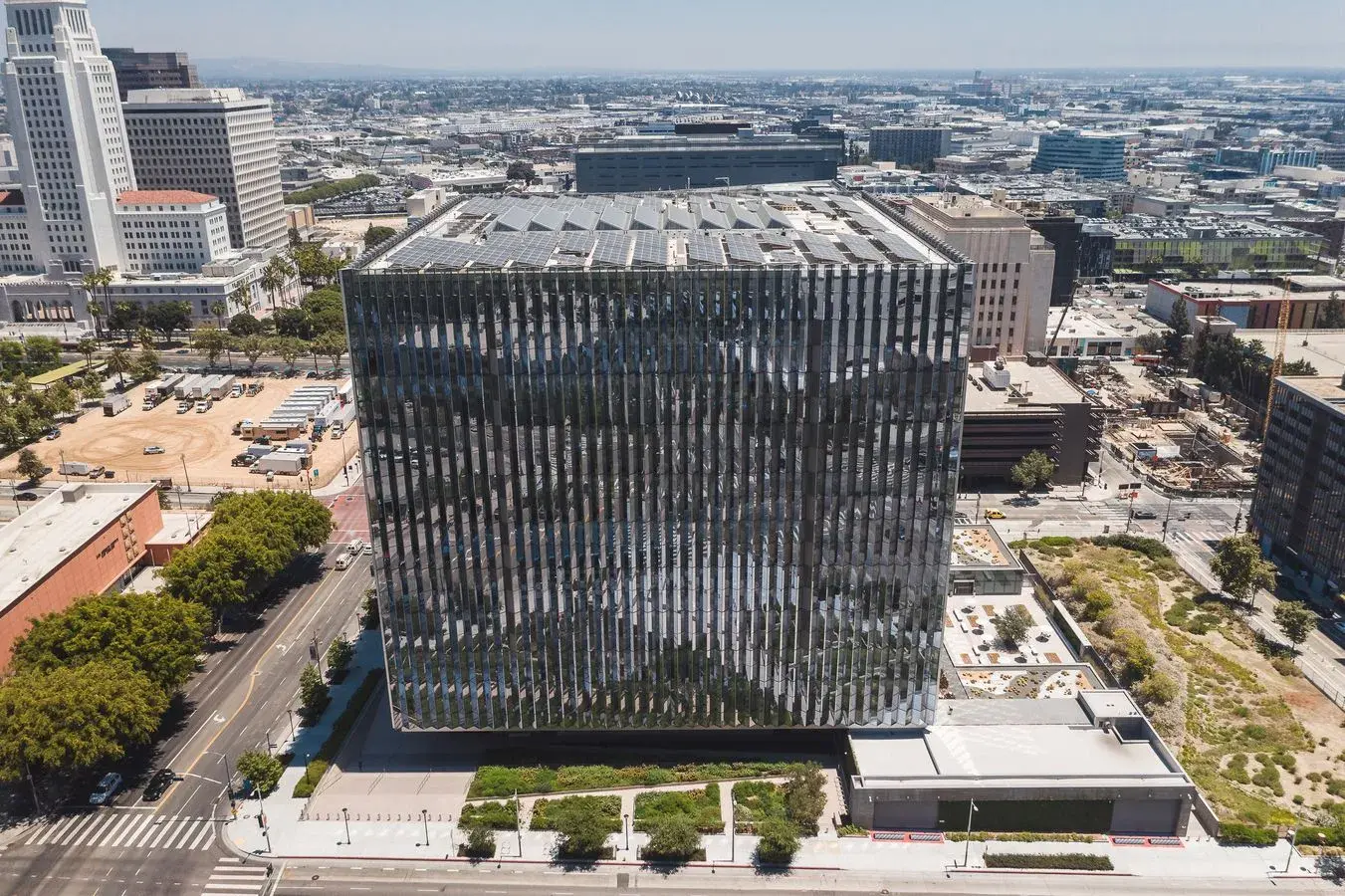
What Happened
On July 24, 2026, the U.S. Court of Appeals for the First Circuit denied the federal government’s request to stay a June 8 district-court judgment that had vacated agency actions implementing a presidential policy requiring a $100,000 payment with H-1B petitions. In a seven-page order, the panel said the government failed to make a “strong showing” that it is likely to succeed on appeal, and therefore the lower court’s ruling remains in force during the litigation. The First Circuit denied the government’s stay request, meaning the $100,000 fee is not in effect while the appeal moves forward.
How We Got Here
The dispute stems from Proclamation No. 10973, signed on September 19, 2025, which directed agencies to require a $100,000 payment with new H-1B petitions, particularly affecting cases for workers outside the United States. Twenty states sued, arguing the executive branch exceeded its authority and that the policy would worsen staffing shortages at public universities, schools, and healthcare systems. On June 8, 2026, a federal judge in Boston agreed and vacated the policy nationwide under the Administrative Procedure Act. The judge subsequently entered a short administrative pause while the First Circuit considered the government’s emergency stay motion; Friday’s appellate order resolves that request.
What It Means Now
The immediate effect is practical: petitioners should not be charged the $100,000 payment while the appeal is pending. Standard USCIS fees and requirements continue to apply. The First Circuit’s order does not decide the ultimate merits; it simply preserves the district court’s vacatur during the appellate process. The government can still pursue its full appeal—and could seek further relief, such as rehearing or Supreme Court intervention—but for now the block stands. The underlying record also highlights why states pressed the case: judges noted evidence that the added payment could impede staffing in education and healthcare, compounding existing shortages.
What’s Next
Full appellate briefing on the merits will proceed in the First Circuit. Employers and universities should continue to monitor official agency guidance and court filings as deadlines approach. For now, the litigation returns to the normal appellate track with the controversial fee off the table unless a later court order changes the posture.
Sources
- State of California v. Mullin, No. 26-1699 — Order Denying Stay — U.S. Court of Appeals for the First Circuit (July 24, 2026)
- Federal judge strikes down Trump's $100,000 fee on new H-1B visas — Associated Press (June 8, 2026)
- First Circuit Denies Trump Bid to Pause Order Tossing H-1B Fee — Bloomberg Law (July 24, 2026)
- NewsFlash! Federal Appeals Court Allows Block on $100,000 H1B Fee to Take Effect — Murthy Law Firm (July 27, 2026)

Share

Second Judge Blocks Trump's $100,000 H-1B Visa Fee
Judge Strikes Down Trump’s $100,000 H-1B Visa Fee
No Comments Yet
Let us know what you think