
Nine U.S. universities face a federal J-1 visa fraud investigation after the Trump administration accused the institutions of potentially misusing exchange visitor programs. The inquiry could bring greater scrutiny to how universities sponsor and employ international researchers, but officials have not announced findings of wrongdoing.
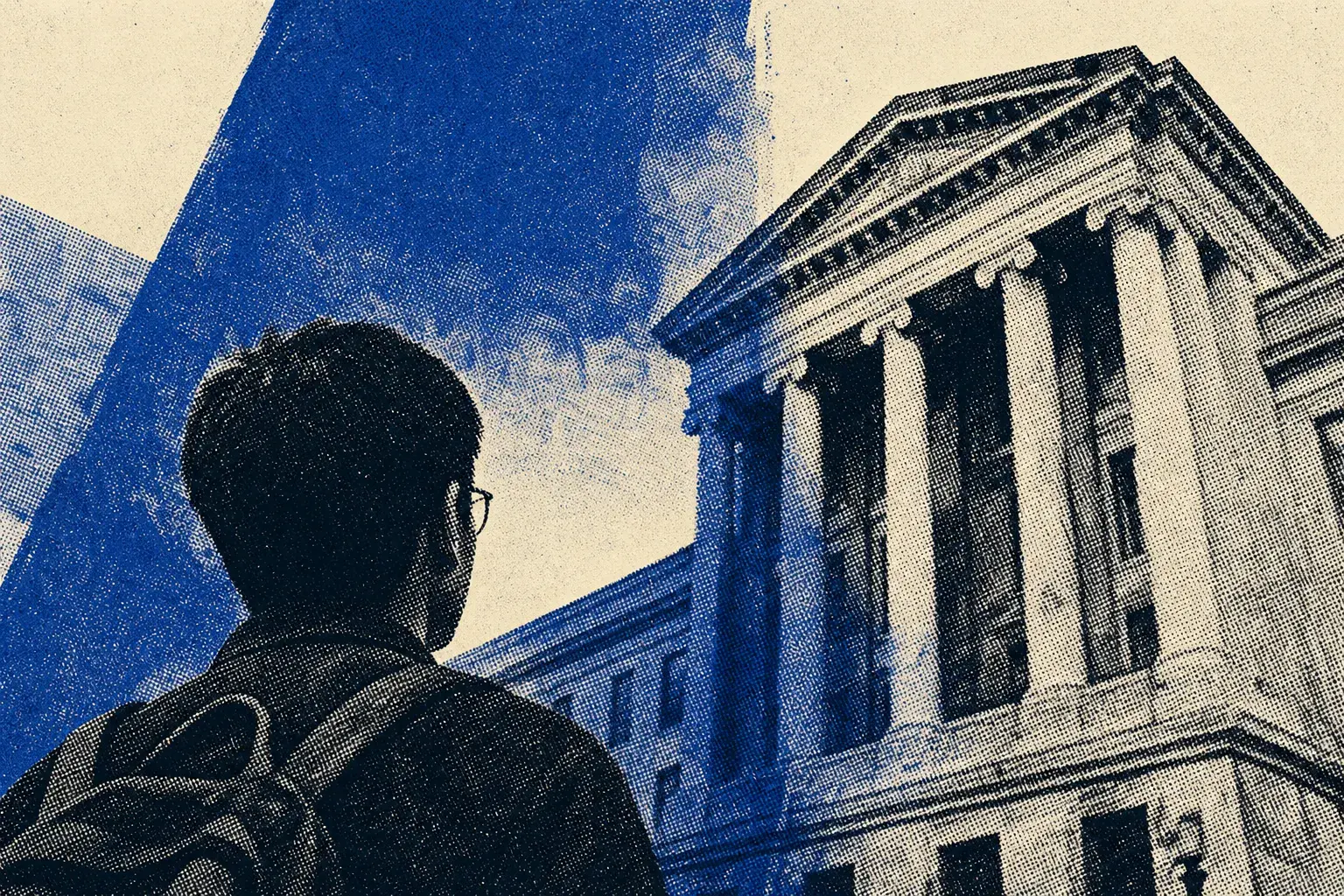
Universities Under Investigation
Vice President JD Vance announced the investigation during a White House news conference on October 8, 2026. The institutions named were Harvard University, Yale University, Stanford University, Brown University, the University of Pittsburgh, the University of California, Davis, the California Institute of Technology, Arizona State University and the Massachusetts Institute of Technology.
Administration officials alleged that the universities use J-1 visas for researchers at unusually high rates and may be relying on international scholars to reduce labor costs. The Labor Department’s inspector general said the inquiry would examine possible visa abuse, improper financial relationships and foreign influence involving federally funded research.
The inquiry remains an investigation, not a finding of wrongdoing. No criminal charges or formal penalties against the universities were announced during the news conference.
How J-1 Programs Work
The J-1 visa supports temporary educational and cultural exchange programs. At universities, it is commonly used by research scholars, professors, students and short-term academic visitors. Institutions participating as program sponsors must follow State Department regulations, maintain required records and monitor exchange visitors through the federal system.
Federal officials focused their allegations on whether the universities were using the program consistently with its exchange purpose and applicable employment rules. However, the administration did not publicly release detailed evidence establishing fraud at any of the nine institutions.
What Scholars Should Know
No blanket cancellation of J-1 visas was announced. International researchers and students at the universities should not assume that the investigation automatically changes their immigration status, work authorization or ability to continue their programs.
Several institutions confirmed that they were reviewing government subpoenas or requests. Stanford said it would cooperate, while UC Davis said it would work with federal officials to confirm compliance. MIT said its J-1 visitors had been vetted and authorized by the U.S. government and that the university takes its legal obligations seriously.
The investigation may lead universities to review their sponsorship records, compensation practices and documentation for federally funded research. Further consequences would depend on what investigators find and whether agencies pursue administrative, civil or criminal action.
Disclaimer: This article provides general information and does not constitute legal advice. J-1 participants concerned about their status should consult their university sponsor or a qualified immigration attorney.
Sources
- Trump Administration Investigating Nine Universities For J-1 Visa Fraud — Forbes (October 8, 2026)
- Vice President JD Vance Holds Press Conference on Fighting Visa Fraud — The White House (October 8, 2026)
- The Trump administration is suspending Microsoft from a green card program, alleging fraud — Associated Press (October 8, 2026)
- Academic Program Sponsors — U.S. Department of State (accessed October 9, 2026)
Share
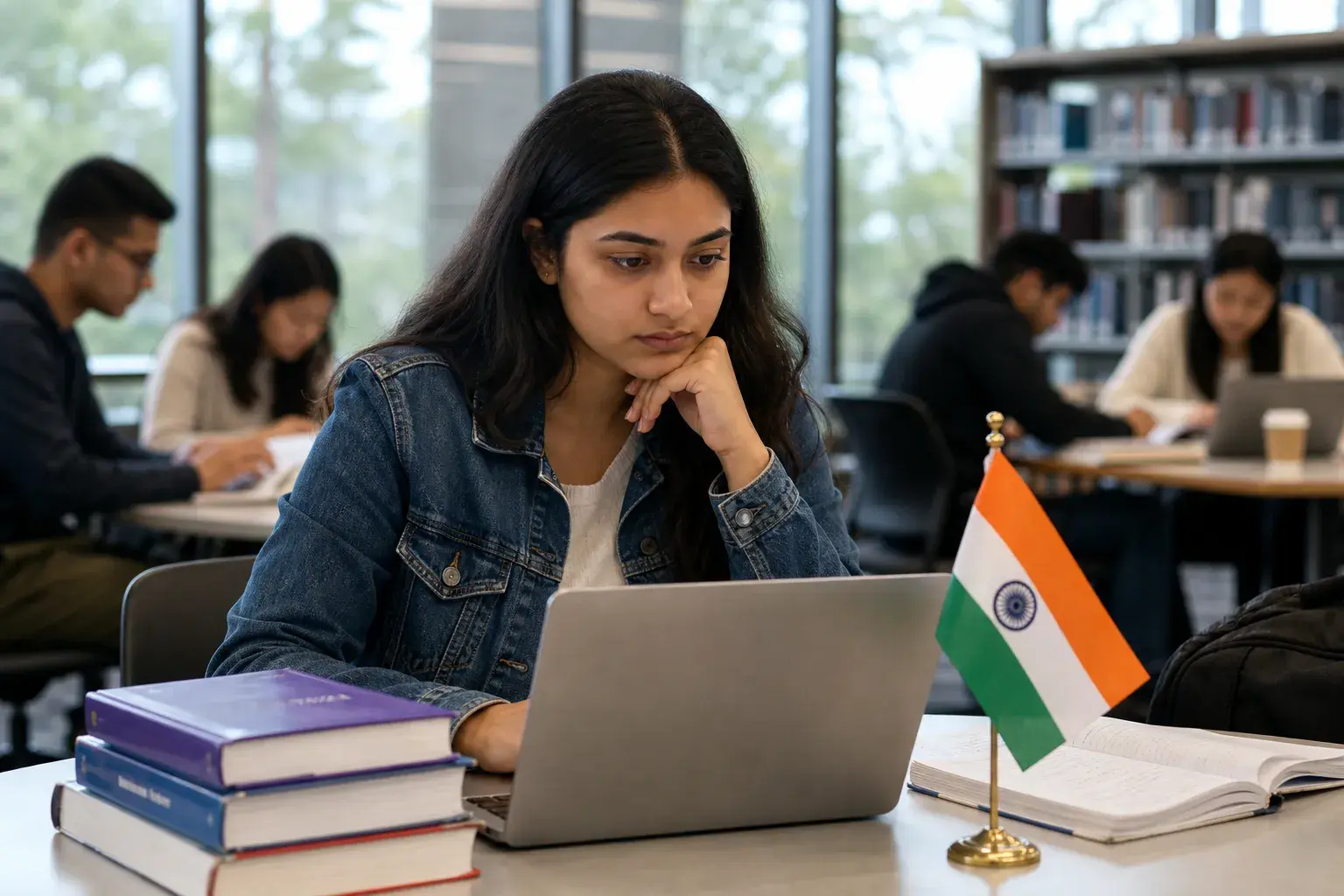
Indian F-1 Visa Issuances Fell 62% in Peak 2025 Months
U.S. Weighs $100,000 Fee for International Student OPT
No Comments Yet
Let us know what you think